

Reviewed · MUSEUMS
Dublin: Irish Famine Exhibition Entry Ticket
Food vanished, but the story lingers. This Irish Famine Exhibition ticket helps you understand the Irish Potato Famine through step-by-step storyboards and original objects, not just big claims. I especially loved seeing rare 19th-century photographs of Ireland, because they make the past feel real fast.
I also liked how the layout is built for a calm, self-paced visit with a 15-minute overview film and seating in/around the main rooms. One consideration: the subject matter is heavy, covering workhouses, evictions, disease, and the human cost, so go in ready for an emotional topic.
In This Review
- Key things to know before you go
- Entering the Irish Famine Exhibition at Stephens Green
- What your $16 ticket includes (and what it doesn’t)
- Price value in plain terms
- How the layout keeps the visit focused
- The big question the exhibition raises about the famine years
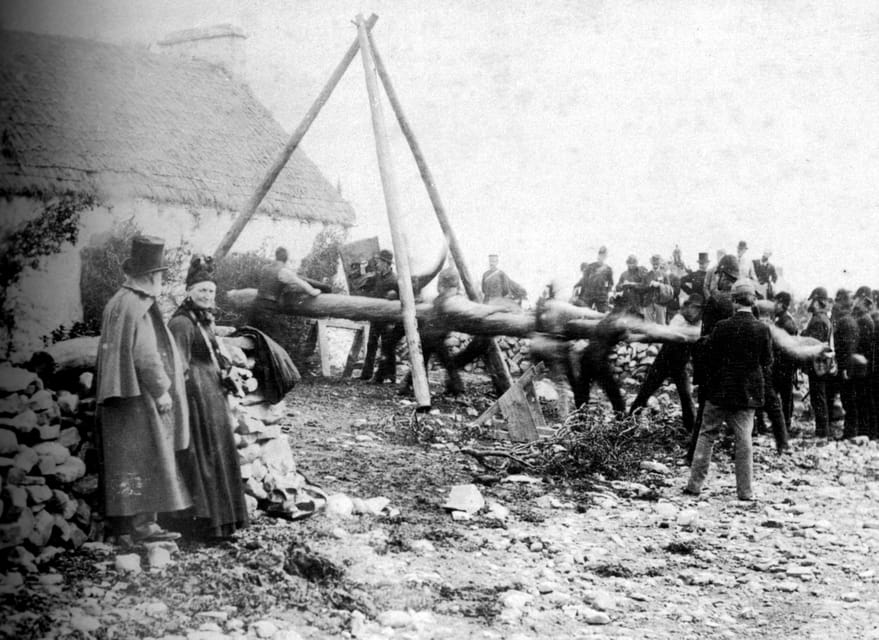
- Rare 19th-century photographs: your first real connection
- Workhouses, evictions, coffin ships, and disease
- Original newspapers and personal letters: history with a pulse
- The cast-iron soup pot: a small object with big meaning
- The 15-minute overview film and how to time it
- Book and USB options at reception
- Accessibility and practical comfort for your visit
- Who this exhibition is best for
- Should you book this Irish Famine Exhibition ticket?
- FAQ
- Where exactly is the Irish Famine Exhibition in Dublin?
- What are the opening hours?
- How long should I plan to spend there?
- What does the ticket price include?
- Are there translations available?
- Does the ticket include the book or USB stick?
- Is there a film during the visit?
- Is the exhibition wheelchair accessible?
- How long is my ticket valid?
Key things to know before you go
- Rare 19th-century photos give you immediate visual context for Ireland during the period
- Workhouses, evictions, coffin ships, and disease are explained clearly, room-by-room
- Original artifacts include newspapers and personal letters that put real people behind the history
- A 15-minute overview film is easy to fit in and works as your orientation reset
- Bench seating in the rooms makes it doable even if you like to read slowly
- Located in Stephens Green Shopping Centre so it’s simple to plan as a midday stop
A handful more Dublin outings we would happily send a friend to
- Dublin: Guinness Storehouse Entry Ticket★ 4.6 · 16,863 reviews
- Dublin: Fast-Track Book of Kells Ticket & Dublin Castle Tour★ 4.5 · 1,661 reviews
- Dublin: The Dublin Pass with Tickets to 40+ Attractions★ 4.3 · 1,639 reviews
- From Dublin: Giant’s Causeway & Belfast Titanic with Ticket★ 4.8 · 1,440 reviews
Entering the Irish Famine Exhibition at Stephens Green

The Irish Famine Exhibition is in Dublin, inside the Stephens Green Shopping Centre. To find it, use the main entrance off Grafton Street, then head in and look for the elevator about 20 meters in on the right. Take the elevator up, go left, and you’re aiming for unit 200b.
If you enter from the car park, you’ll be at the opposite end of the centre, so don’t assume the directions will feel the same. It’s straightforward once you have the unit number in mind, and having clear wayfinding helps when you’re doing this in the middle of a busy day.
Opening hours are daily from 12:00 to 18:00, so you can slot this in after lunch or before dinner. The exhibit is on the upper level of the shopping centre, and your best move is to follow the unit 200b directions on-site rather than guess.
Plan on at least one hour. This is not a rushed walk-through, and the format is designed so you can stop, read, sit, and absorb.
What your $16 ticket includes (and what it doesn’t)
Your ticket is $16 per person for entry to the Irish Famine Exhibition. The ticket is valid for 180 days, but you’ll still want to check availability to see the starting times offered when you book.
What you get with admission is the core experience: the exhibition rooms, the storyboards, the film seating, and the original displays. You also get a translation manual in French and German and Italian (the listing notes French twice, but the key point is that it’s available in multiple languages).
Two things are not included: the book and the USB stick, which you can buy at the reception desk. If you like to take the story with you after you leave, that’s a nice option, but you don’t need it to understand the exhibit.
Price value in plain terms
For $16, you’re paying for an hour-ish visit that includes original items like newspapers and personal letters, plus a short overview film. You’re not just looking at posters. You’re looking at period artifacts and historical storytelling that’s laid out for visitors who want clarity, not a museum maze.
How the layout keeps the visit focused
This exhibition works like a guided walk even though it’s self-paced. You’ll move through different rooms that reveal the story step by step, with storyboards that are meant to be easy to follow.
Each room has a bench, which sounds minor until you’re standing and reading for 45 minutes. The seating makes this feel manageable. It also helps you handle a lot of emotionally intense content without having to speed-read every label.
There’s also seating for the 15-minute overview film. I like doing the film either near the middle or near the end, depending on how you absorb information. If you watch it early, it gives you a clearer lens for what you’ll read next. If you watch it later, it helps tie everything together once you’ve seen the rooms and artifacts.
Allow yourself time to move slowly. The exhibit is built for that. You’re not cramming facts; you’re building understanding.
More Dublin museums and exhibitions
The big question the exhibition raises about the famine years
The Irish Potato Famine is presented as one of the most catastrophic events in Ireland’s turbulent history. It’s also described as among the worst famines in history when measured by deaths relative to population.
Then the exhibition points to the controversy in the word famine in this context. Ireland was part of the British Empire, and the exhibition notes that there was sufficient food in the country during the famine years. That sets up the central question: if food existed, how could deaths from starvation and disease still reach such staggering numbers, and why were so many forced to flee?
That framing matters because it shifts your thinking from simple hunger to systems and consequences. The story isn’t just about weather or crops failing. It’s about what people experienced on the ground—how policies, hardship, and social collapse turned scarcity into catastrophe.
Rare 19th-century photographs: your first real connection
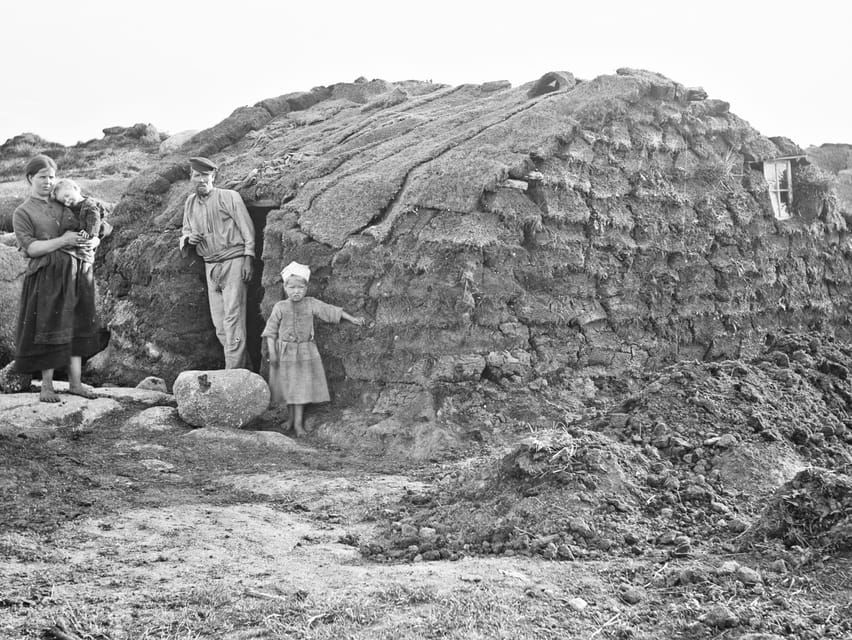
One of the clearest strengths here is the opening emotional and historical pull from the rare 19th-century photographs of Ireland. Photos can’t explain everything, but they do something museums often forget: they help you picture real places and real life.
These images set the tone early, so when the exhibition moves into harsher subjects, you’re not starting from a blank page. You’re already oriented in time and place, which makes the later sections more meaningful.
If you love visual history, you’ll probably spend extra minutes here. If you’re more of a reader than a photo-watcher, still pause. Even one good look at the photos makes the rest hit harder.
Workhouses, evictions, coffin ships, and disease
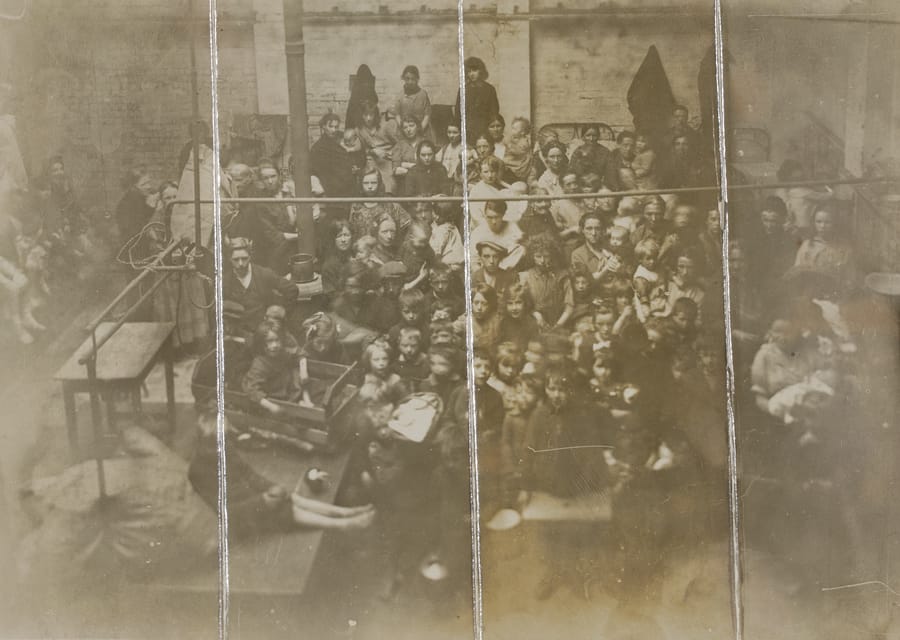
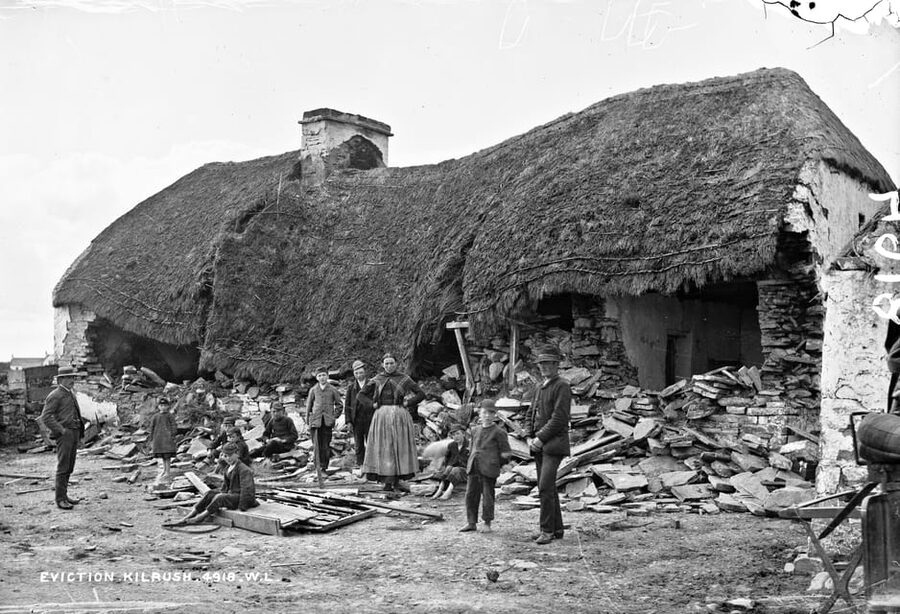
The core themes are laid out bluntly, which is exactly what you want from a subject this serious. The exhibition walks you through Workhouses, Evictions, Coffin Ships, and Disease.
What I like about how this is presented is that it’s not vague. The storyboards break things down in a way that’s easy to follow room by room. You’re not left guessing how one event connected to another.
Workhouses are the type of topic that can feel abstract until you connect them to daily life. Evictions are similar. And coffin ships and disease can sound like headlines until you see how they fit into a longer chain of suffering.
This section isn’t meant to make you comfortable. It’s meant to answer the exhibit’s central question with human detail and historical evidence. If you’re visiting during a day when you’ve already done several museums, consider pacing yourself. Take breaks. Use the benches. Don’t rush past the hard parts just to finish.
Original newspapers and personal letters: history with a pulse
This is where the exhibition turns from explanation into something closer to testimony. You’ll see two original newspaper articles describing the catastrophe.
Then you’ll see two personal letters that bring the human scale into focus. One letter is from a tenant to his landlord, and the other is from a father to his son. Those relationships matter because they show that famine wasn’t just a statistic. It was conflict, fear, and separation inside ordinary life.
If you like learning through primary sources, you’ll likely feel a stronger connection in this section than in any general history reading you’ve done. Even without background knowledge, the letters help you understand that real people were writing in the middle of the crisis.
The cast-iron soup pot: a small object with big meaning
An original cast iron soup pot is on display, and it’s one of those objects that can quietly hit harder than a dramatic panel. Food-related objects can feel comforting until you connect them to what was missing, what was rationed, or what people had to endure.
It’s not just a prop. It’s a reminder that daily survival depended on food systems that could break down fast. The pot becomes a concrete anchor for the exhibit’s themes—scarcity, desperation, and what it took to keep going.
The 15-minute overview film and how to time it
The exhibition includes a 15-minute overview film, and the good news is that it’s planned into the experience rather than stapled on at the end. There’s seating available for the film, so you can watch without hunting around for a spot.
Here’s how I’d time it for best value:
- If you want fast orientation, watch the film first, then move through the rooms with a clear mental map.
- If you like to read first and see how it all connects, do the film after you’ve seen the storyboards and artifacts.
Either way, the film is short enough that it won’t hijack your day. But it’s long enough to add structure when the rooms start covering multiple themes like evictions, disease, and survival.
Book and USB options at reception
If you want to extend the visit beyond one hour, you can buy the exhibition materials at the reception desk: a book and a USB stick.
The USB version takes the storyboard content and breaks it up into film format, paired with mood music, which can feel easier to digest than static text for some people. The 15-minute overview film is included on the USB as well.
You’ll decide based on how you like to learn. If you prefer a guided, on-screen version after your visit, the USB can be worth it. If you just want the exhibit experience and photos in your head, you can skip it.
Accessibility and practical comfort for your visit
The exhibition is wheelchair accessible, which matters because it’s in a shopping centre and the layout is designed to be workable for different visitors. Since the exhibit emphasizes multiple rooms and reading time, accessibility features help you enjoy the experience without it becoming a physical chore.
Comfort-wise, those benches in each room are a big deal. This is an easier experience if you can sit for short stretches while you read. It also lets you take in the original artifacts without rushing your eyes.
Who this exhibition is best for
I think this ticket is a strong fit if you want:
- A clear explanation of the Irish Potato Famine through storyboards
- Original items like newspapers and letters, not just interpretive panels
- A focused stop that you can do in about one hour
You’ll also get value if you’re the kind of traveler who likes to understand the why behind major events, including the controversy around calling it famine when there was enough food in the country.
If you’re visiting Dublin mainly for lighter sightseeing, this might feel out of place on a packed schedule. Not because it’s wrong to visit, but because it’s heavy. If you treat it like a meaningful cultural stop, it works well.
Should you book this Irish Famine Exhibition ticket?
Book it if you want a short, structured, artifact-based way to understand the Irish Potato Famine, and if you appreciate primary sources like newspapers and personal letters. The way the exhibition builds the story room by room, with benches and a short overview film, makes it easier than many history exhibits.
Skip or think twice only if you strongly prefer cheerful topics. This one is about suffering, evictions, disease, and displacement. If that’s your personal limit for museum time, it may feel too intense.
If you’re on the fence, I’d frame it this way: for $16, you’re getting an hour of clear storytelling plus tangible historical evidence. It’s not a long detour from Dublin life, but it will likely stay with you longer than most quick stops.
FAQ
Where exactly is the Irish Famine Exhibition in Dublin?
It’s located in Stephens Green Shopping Centre, in unit 200b on the upper level. From the main entrance off Grafton Street, you take the elevator on the right about 20 meters in, then go left on the upper floor.
What are the opening hours?
The exhibition is open daily from 12:00 to 18:00.
How long should I plan to spend there?
Plan on at least one hour. The visit is self-paced and designed for reading and viewing throughout multiple rooms.
What does the ticket price include?
Your ticket includes entry to the Irish Famine Exhibition.
Are there translations available?
Yes. A translation manual is available in French, German, and Italian.
Does the ticket include the book or USB stick?
No. The book and USB stick are not included. You can purchase them at the reception desk.
Is there a film during the visit?
Yes. There’s a 15-minute overview film, and seating is available for it.
Is the exhibition wheelchair accessible?
Yes, the exhibition is wheelchair accessible.
How long is my ticket valid?
The ticket is valid for 180 days. You’ll still need to check availability for starting times.
More Dublin Museums






More Tickets in Dublin





More Tour Reviews in Dublin





Fresh off the cobbles: the latest Dublin reviews
- Dublin Private Airport Transfer to Ireland
★ 4.5 · 3 reviews - Private Chauffeur Service From Dublin Airport to Killarney
★ 5.0 · 3 reviews - Ireland: 3-Day West Coast Explorer Tour
★ 5.0 · 3 reviews - From Dublin: 4-Day Southern and Western Coast Tour
★ 4.3 · 3 reviews - Dublin : Street Art Walking Tour
★ 5.0 · 3 reviews - Spring Tonic Foraging Tour
★ 5.0 · 3 reviews
Museums, compared.
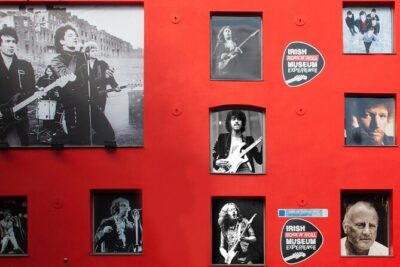 ★ 5.0Irish Rock ‘N’ Roll Museum Experience DublinFrom $266,112 reviews
 ★ 4.5Dublin Hop-On Hop-Off Bus Tour with Guide and Little Museum EntryFrom $383,327 reviews
 ★ 5.0Dublin Irish Whiskey Museum and Gallery Guided Tour with TastingFrom $303,078 reviews
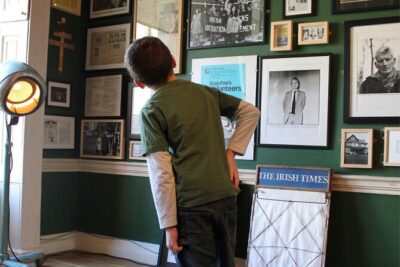 ★ 5.0The Little Museum of Dublin Famous Guided TourFrom $212,948 reviews
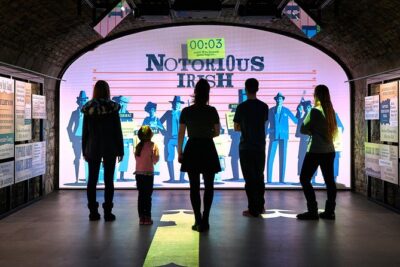 ★ 4.5Dublin EPIC Museum Admission TicketFrom $251,729 reviews
 ★ 5.0Giant’s Causeway with the Titanic Exhibition and the best of Northern IrelandFrom $1021,122 reviews
 ★ 4.6Irish Whiskey Museum Tour and Whiskey TastingFrom $22999 reviews
 ★ 4.6EPIC Museum Entrance TicketFrom $24816 reviews
Browse the lists this tour appears in