
Reviewed · DUBLIN
Dublin Jewellery Forge a Hammered Silver ring:Georges Street
A silver ring workshop is one of those rare souvenirs you actually use. In Dublin, you’ll go from raw sterling to a finished hammered band, with an instructor explaining each step as you work. I love the hands-on format, and I also love that you get real choices—your ring’s curve, texture, and polish finish. One watch-out: the studio is in old period buildings with plenty of stairs and no lift, so plan accordingly.
The vibe is relaxed and beginner-friendly, and the group stays small (max 12). You’ll get coffee or tea plus plenty of chocolate while you learn how rings are made—from measuring and cutting to shaping, soldering, filing, texturing, and polishing. If you’re tight on time or you’re likely to be late, note that entry can be refused if you arrive more than 10 minutes late.
In This Review
- Key things I’d circle before you book
- A Hammered Silver Ring on George’s Street: What You’re Really Buying
- Entering Silver Works: Meeting Point and the “Old Dublin Building” Reality Check
- The Two-Hour Flow: From Measuring Your Finger to Shaping the Band
- Soldering and Filing: Watching the Pros, Then Getting Your Hands In
- Choosing Texture: Hammering That Makes It Truly Yours
- Polish Options: Rustic on the Inside or Full Sparkle
- Coffee, Tea, and Chocolate: Small Comforts That Make It Easier
- Who This Ring-Making Class Is Best For (and Who Should Skip It)
- Price and Timing: Is $103.79 Good Value for a Handmade Ring?
- Practical Tips That Make Your Workshop Smoother
- Should You Book Dublin Jewellery Forge for a Hammered Silver Ring?
- FAQ
- What is the meeting point for Dublin Jewellery Forge?
- How long does the workshop take?
- What is included in the price?
- Is the workshop offered in English?
- Do I get to keep the ring I make?
- What are the age requirements?
- Is the studio wheelchair accessible?
- How big is the group?
- Are late arrivals allowed?
- Can I bring a service animal?
Key things I’d circle before you book
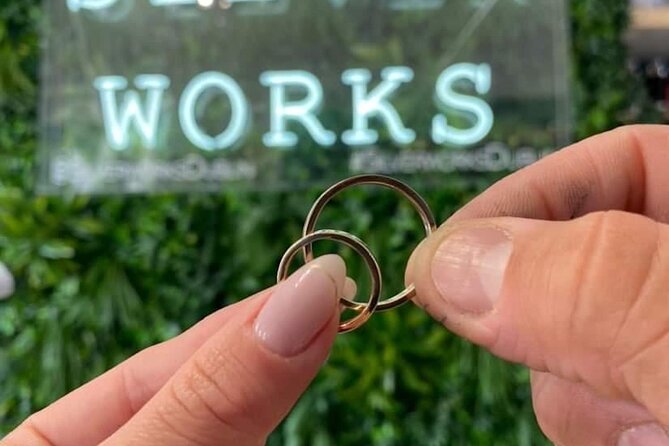
- You leave with a handmade sterling silver ring (not a voucher or a post-card souvenir)
- Tutor-led soldering demo with clear explanations as you watch the process happen
- Personal control over the look: ring curve, hammered texture, and polish level
- Small class size for a more hands-on feel (max 12)
- Included coffee/tea and lots of chocolate, which matters more on a rainy Dublin day
- Old building logistics: lots of stairs, no wheelchair lift, and no luggage storage in a small studio
Still weighing your Dublin days? These are the outings people book first.
- Dublin to Cliffs of Moher, including Wild Atlantic Way and Galway★ 5.0 · 23,331 reviews
- From Dublin: Cliffs of Moher, Burren & Galway City Day Tour★ 4.8 · 18,888 reviews
- Dublin: Guinness Storehouse Entry Ticket★ 4.6 · 16,863 reviews
- Dublin to Cliffs of Moher, Burren, Wild Atlantic Way, Galway Tour★ 5.0 · 12,924 reviews
A Hammered Silver Ring on George’s Street: What You’re Really Buying
This is the kind of Dublin experience that feels practical, creative, and genuinely Irish—because you’re making something you’ll keep. The workshop centers on creating a sterling silver ring from scratch, and you’ll end with a band you can wear (or gift) as a real piece of your trip.
At $103.79 per person for about two hours, the big value is that the price includes the sterling silver and the guided making process. You’re not paying for a performance—you’re paying to learn a skill-like workflow and walk out with the result.
The other reason this works is control. You get to make design decisions (curve and texture) and also pick the final shine level (inside-only polish for a more rustic look, or full polish for a sharper sparkle). It’s a souvenir that looks different because it’s yours.
Entering Silver Works: Meeting Point and the “Old Dublin Building” Reality Check
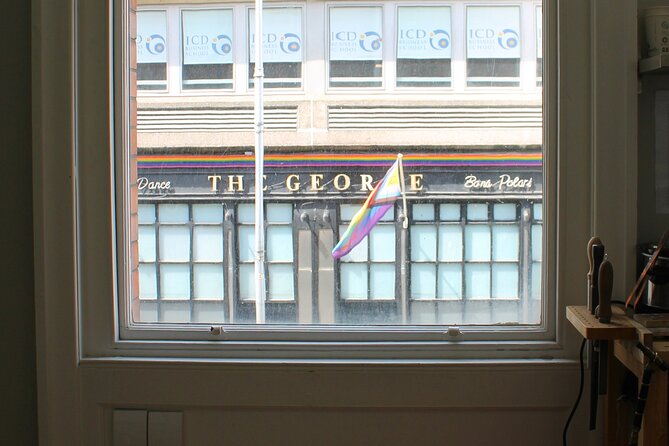
You’ll meet at Silver Works, 4 South Great George’s Street, Dublin 2 (D02 NR59). The location is central and near public transportation, which is a relief when you’re planning a day with museums and pub breaks.
The studio is inside two old period buildings with plenty of stairs and no lift. That means this is not the best pick if stairs are a problem for you or someone in your group. The space is also small, and there’s no luggage storage, so travel light—think small day bag, not a suitcase you need to stash.
One more practical point: if you arrive more than 10 minutes late, you won’t be permitted entry to the workshop and you’re not entitled to a refund or reschedule. That’s a hard rule, so build in buffer time, especially if you’re navigating Dublin traffic or bouncing between stops.
The Two-Hour Flow: From Measuring Your Finger to Shaping the Band
You’ll start by choosing which finger you want to wear the ring on. Then you mark the silver to the length you need. This sounds simple, but it’s a smart start because it sets the whole session: your cutting, forming, and final fit all depend on that first measurement.
Next comes the hands-on part: you’ll use a handsaw to cut the silver to size. Cutting silver isn’t something most people do every day, but the workshop keeps it step-by-step, so you’re not left guessing. This is one of the reasons the experience feels fun even if you’ve never tried metalwork before.
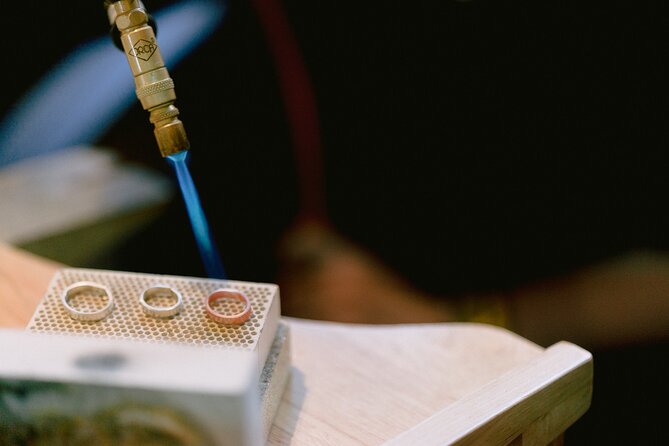
After cutting, you’ll form the ring around a mandrel. The mandrel acts like the ring’s “core shape,” and you’ll use a mallet to shape the band. This is where you can start thinking about your future ring curve—because the final feel depends on how you form it.
Soldering and Filing: Watching the Pros, Then Getting Your Hands In
You’ll see soldering done in front of you by an expert tutor. The key is that it’s explained while it happens, so you understand what the workshop is aiming for. Instead of treating soldering like a mysterious step, you’ll learn what’s being controlled and why it matters for the finished ring.
Then you move into filing. You’ll use different hand files, and this part is often where people feel the most ownership. Filing isn’t just about smoothing—it’s also about shaping the ring’s final form. You’ll be guided through it, and it’s also where your design choice for the curve really starts to show.
One nice detail from instruction styles described in the experience is how patient the teaching can be. Even people who mention shaky hands have still been able to complete the tasks with reassurance and step-by-step guidance. That’s a big deal if you’re the type who worries about doing crafts wrong.





Choosing Texture: Hammering That Makes It Truly Yours
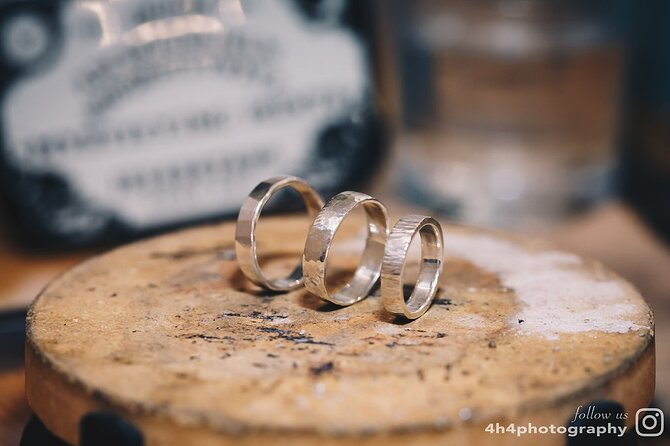
Once the ring’s shape is dialed in, you’ll choose from three different textures. This is a real fork-in-the-road moment. The texture options give you different surface personalities—some look cleaner, some more rugged, and all are distinct enough that your ring won’t look like everyone else’s.
Then you’ll use a planishing hammer to create the texture you picked. If you like tactile work, this is the part that usually clicks. Hammering is rhythmic, physical, and satisfying—plus it’s hard to fake. The texture looks like the time and effort you put into it, which makes the ring feel more meaningful than a store-bought souvenir.
If you’re the type who normally avoids hands-on activities, this section is probably where you’ll surprise yourself. The workshop is designed so you’re not just watching craft magic from across the room—you’re actively shaping the final look.
Polish Options: Rustic on the Inside or Full Sparkle

At the end, you choose your polish style. You can have polishing only on the inside, which gives the ring an artistic, rustic feel. Or you can go for the glittery sparkle of a fully polished ring.
This choice matters more than it sounds. Inside-only polish changes the vibe: you keep more of the raw, hammered character on the outside, while still making the inside comfortable for wearing. Full polish pushes the look toward clean shine and a more jewelry-store finish.
Either way, you’re leaving with something finished. And because it’s your own ring—your curve, your texture choice, your polish decision—it doesn’t feel like a generic “Ireland trinket.”
Coffee, Tea, and Chocolate: Small Comforts That Make It Easier
One of the easiest wins in this workshop is the included refreshments. You’ll have coffee or tea plus lots of chocolate throughout the session.
It sounds silly, but it’s practical. Crafts can be tiring in small bursts—measuring, cutting, shaping, then filing. A warm drink and chocolate help you stay patient when you’re focused on accuracy, especially if your hands get tired.
This also helps explain why the workshop works well as a rainy-day plan. It’s active, but it doesn’t feel like a hard workout. You get to keep moving, and you still get to relax and talk as the group progresses through the steps.
Who This Ring-Making Class Is Best For (and Who Should Skip It)
This workshop suits people who want a different souvenir—something personal and wearable. It’s also ideal for anyone who likes learning by doing, even if you have zero craft background.
It’s also a good fit for couples and friends, since the class stays small and you’ll likely end up chatting with others as you work. Some sessions include a mix of adults and older kids, and the maximum group size keeps the pace from feeling chaotic.
But there are clear limits:
- No children under 10
- No access for wheelchair users because of stairs and no lift
- It’s not set up for luggage storage in a small studio
- If you’re unsure you can reliably arrive on time, consider a different activity
Price and Timing: Is $103.79 Good Value for a Handmade Ring?
Let’s talk money honestly. $103.79 might sound like a splurge if you’re comparing it to a standard walking tour or museum entry. But the value is that you get sterling silver included, plus guided instruction through the entire ring-making workflow.
By the end, you’re taking home an actual hammered ring, not a lesson certificate. When you factor in the materials and the fact that you’ll get help at key steps (especially with soldering guidance and shaping), the pricing makes more sense.
The duration is about two hours, which also helps. You’re not tying up half a day, and you can still fit in Dublin classics afterward—Guinness, a proper walk along the Liffey, or dinner at a nearby pub.
Practical Tips That Make Your Workshop Smoother
A few things will make the experience go better for you:
- Arrive early. The 10-minute late cutoff is strict.
- Bring a small bag only. There’s no luggage storage and the space is tight.
- Plan for stairs. Two old buildings means lots of steps and no lift.
- Expect a guided pace. You’ll do many hands-on steps, but the soldering is done with an expert tutor in front of you, with explanations as it happens.
- Choose your curve and polish calmly. These choices affect comfort and the final look, so don’t rush the decision-making at the end.
Also, the workshop is offered in English, and service animals are allowed.
Should You Book Dublin Jewellery Forge for a Hammered Silver Ring?
If you want a meaningful, wearable souvenir—and you don’t mind getting your hands dirty a little—this is an easy yes. The combination of tutor instruction, hands-on shaping, and real customization (curve, texture choice, and polish level) makes it feel like more than a craft demo.
I’d pass only if:
- stairs are a dealbreaker for you,
- you’re likely to run late,
- or you’d rather spend money on experiences with no chance of “getting it slightly wrong.”
Otherwise, this is one of those Dublin activities that turns into a story you’ll tell later. It’s not just about leaving with a ring—it’s about understanding how it’s made, and knowing you made it.
FAQ
What is the meeting point for Dublin Jewellery Forge?
You’ll start at Silver Works, 4 South Great George’s Street, Dublin 2, D02 NR59, Ireland. The workshop ends back at the meeting point.
How long does the workshop take?
The experience runs for about 2 hours (approx.).
What is included in the price?
The price includes sterling silver for your ring plus coffee and/or tea and lots of chocolate.
Is the workshop offered in English?
Yes, the workshop is offered in English.
Do I get to keep the ring I make?
Yes. The activity ends with you taking home your handmade silver ring.
What are the age requirements?
The workshop is not suitable for children under 10.
Is the studio wheelchair accessible?
No. The buildings have plenty of stairs and there is no lift.
How big is the group?
The experience has a maximum of 12 travelers.
Are late arrivals allowed?
If you arrive more than 10 minutes late, you will not be permitted entry to the workshop, and you are not entitled to a refund or reschedule.
Can I bring a service animal?
Yes. Service animals are allowed.
More Tour Reviews in Dublin






Fresh off the cobbles: the latest Dublin reviews
- Dublin Private Airport Transfer to Ireland
★ 4.5 · 3 reviews - Private Chauffeur Service From Dublin Airport to Killarney
★ 5.0 · 3 reviews - Ireland: 3-Day West Coast Explorer Tour
★ 5.0 · 3 reviews - From Dublin: 4-Day Southern and Western Coast Tour
★ 4.3 · 3 reviews - Dublin : Street Art Walking Tour
★ 5.0 · 3 reviews - Spring Tonic Foraging Tour
★ 5.0 · 3 reviews