
Reviewed · GIANT'S CAUSEWAY & BELFAST
From Dublin: 3-Day Discover Northern Ireland Tour
Northern Ireland surprises you fast. This 3-day small-group trip links Belfast’s upheavals to sea cliffs, myth, and big-name filming locations.
Two things I really like: the small-group size (max 16) that keeps the day feeling personal, and the way the route mixes major sights with real “walk-and-look” breaks like Mount Stewart and the Causeway. The other big win is the guide—Marcus is singled out for sharing a clear, grounded take on the region’s history and politics without turning it into a lecture.
One consideration: you’ll do a lot of driving plus some country-walks, and the B&B locations can mean a 20–30 minute stroll to dinner spots. If stairs are an issue, mention it ahead of time since lifts aren’t available in these properties.
In This Review
- Key highlights worth circling
- Belfast and the Titanic Quarter: meaning before the views
- Mount Stewart House & Gardens in County Down: a stately break
- Bangor as your base: easy mornings, compact B&B living
- The Causeway Coastal Route: stops for photos, then Giant’s Causeway
- Game of Thrones in real landscapes: Dark Hedges and Winterfell at Castle Ward
- Strangford Loch ferry at Portaferry: an easy win for photos
- Following St Patrick: Downpatrick area options and a calmer kind of sightseeing
- The Mourne Mountains and Carlingford Loch: granite peaks, then a shoreline finale
- Price and what’s actually covered in the $759 cost
- Small-group comfort: the real benefit of a max of 16
- Practical tips before you go (so the trip stays fun)
- Should you book this 3-day Dublin to Northern Ireland tour?
- FAQ
- Where does the tour start and end?
- What’s included in the tour price?
- What is not included?
- How big is the group?
- How much luggage can I bring?
- Is there free cancellation?
Key highlights worth circling
- Belfast + Titanic Quarter: a focused city tour, then time to see the regenerated docklands tied to the 1911 shipbuilding story
- Mount Stewart House & Gardens: a 19th-century estate stop that slows the pace before you reach the coast
- Causeway Coastal Route: multiple photo-friendly stops en route, then Giant’s Causeway in the afternoon light
- Game of Thrones filming sites: a chance for Dark Hedges, plus Castle Ward as Winterfell
- Strangford Loch ferry: Portaferry crossing with time to shoot photos of the Narrows
- Mourne Mountains: towering granite peaks right before you wrap up at the Carlingford Loch shores
More Belfast and Causeway coast runs from the city
- Dublin to Belfast Black Cab, Dunluce Castle and Giant’s Causeway★ 5.0 · 7,954 reviews
- Dublin to Dunluce Castle, Giant’s Causeway, Dark Hedges & Belfast★ 5.0 · 4,781 reviews
- Dublin to Belfast Titanic, Dunluce Castle & Giant’s Causeway Tour★ 5.0 · 3,729 reviews
- Dublin: Giant’s Causeway, Dark Hedges, Dunluce and Belfast Titanic entrance fee★ 5.0 · 2,301 reviews
Belfast and the Titanic Quarter: meaning before the views
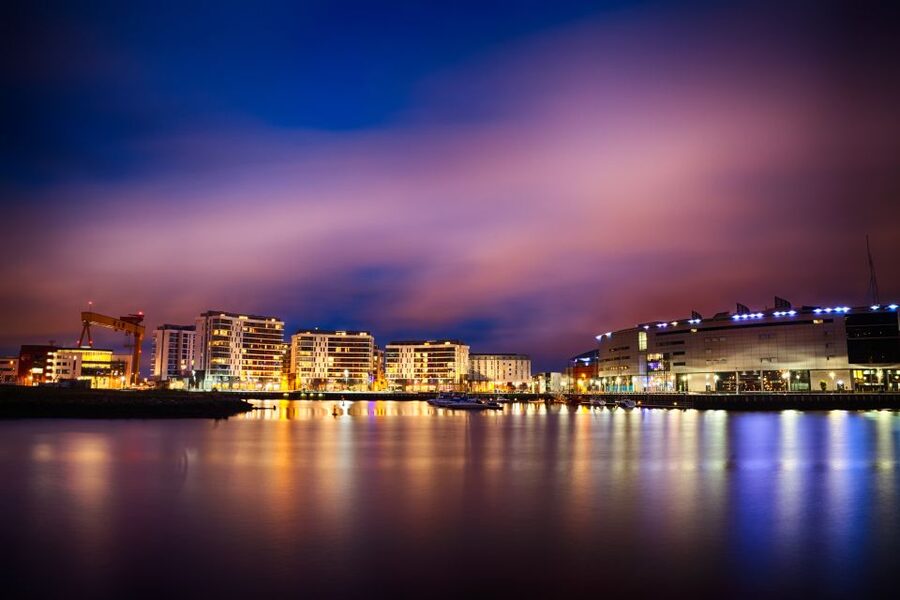
Belfast isn’t just a stop on the way north. In a short city tour, you get a guided pass over the capital’s triumphs and tragedies, with the kind of context that helps you read murals, architecture, and neighborhoods without guessing. It’s also a good primer if you’re new to Northern Ireland and want your first day to make sense fast.
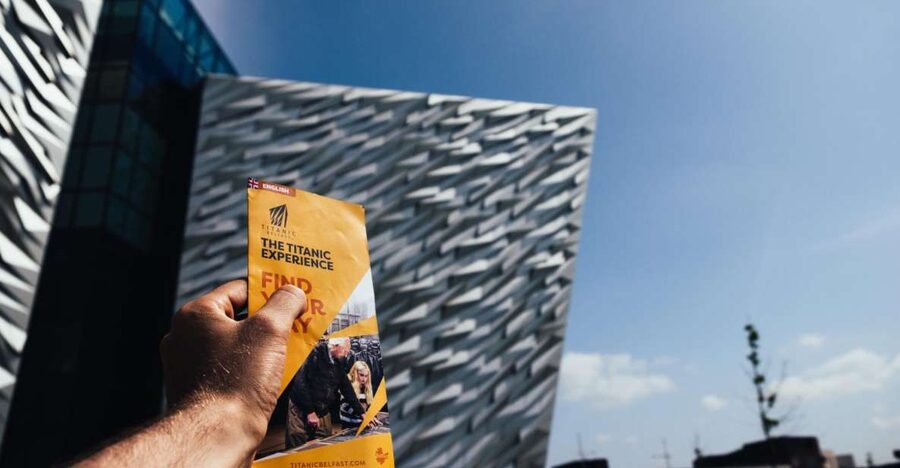
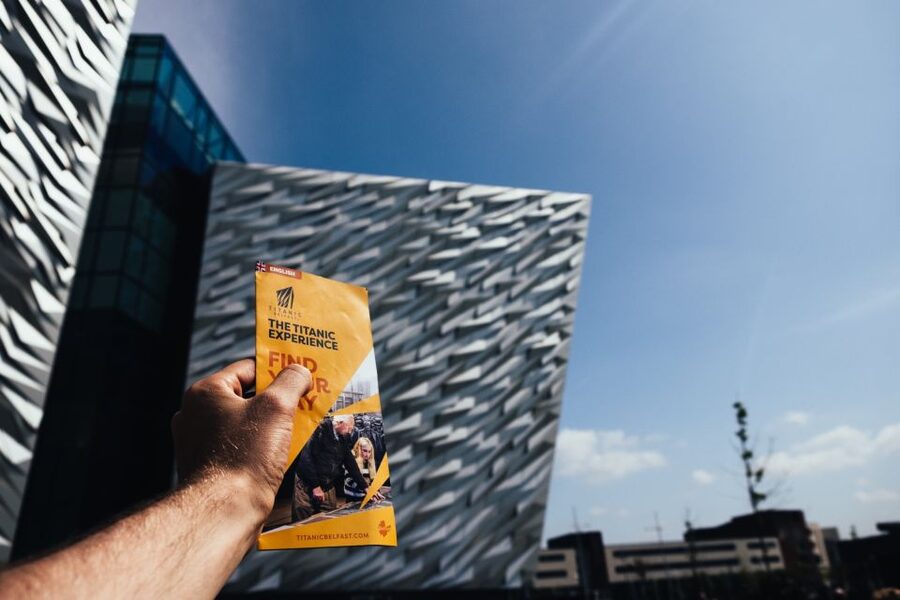
Then comes the Titanic Quarter, a regenerated dock area tied to the liner built and launched in 1911. You’ll have time for the museums and attractions there, which is where the story shifts from streets to steel, labor, and engineering. If you like history you can point to—dates, shipyards, artifacts—this part tends to land well.
A practical note: Belfast time can feel “short but dense.” You’ll likely want to decide early whether you’re more into museum time or just wandering the waterfront after your guided portion.
Mount Stewart House & Gardens in County Down: a stately break
After the city, the tour turns into country roads and calmer pacing. You head to Mount Stewart House & Gardens, set in a 19th-century estate where the main appeal is the dignity of the house and the careful work of the gardens. It’s the kind of stop that lets you reset after political history and traffic noise.
Because it’s outdoors-focused, weather matters. Rain or wind doesn’t ruin the estate, but it can change how comfortable you feel walking paths and viewing the grounds. I’d pack layers even if the morning starts bright.
Once you’re done exploring, you drive to the seaside town of Bangor, your base for the next two nights. This is a smart setup: you sleep close to the next big day’s coastal route, without constantly checking luggage and finding new hotels.
Bangor as your base: easy mornings, compact B&B living
Bangor is the kind of town that works as a springboard. You wake up near the action, then return at night without the stress of changing hotels every day. The stay is two nights bed and breakfast in small, locally owned guesthouses and B&Bs, and rooms are en suite.
Here’s what to watch: B&Bs are often on the outskirts. That can mean a 20–30 minute walk to pubs and restaurants. If you don’t want to walk after dinner, plan for it.
Also, these places may have stairs and lifts won’t be available. If you have any mobility needs, it’s worth flagging them early so the operator can suggest a room setup that works better for you.
The good news from past travelers is that the Bangor accommodations tend to be warm, with friendly hosts and a comfortable, local feel—exactly what you want after a long day on the road.
The Causeway Coastal Route: stops for photos, then Giant’s Causeway
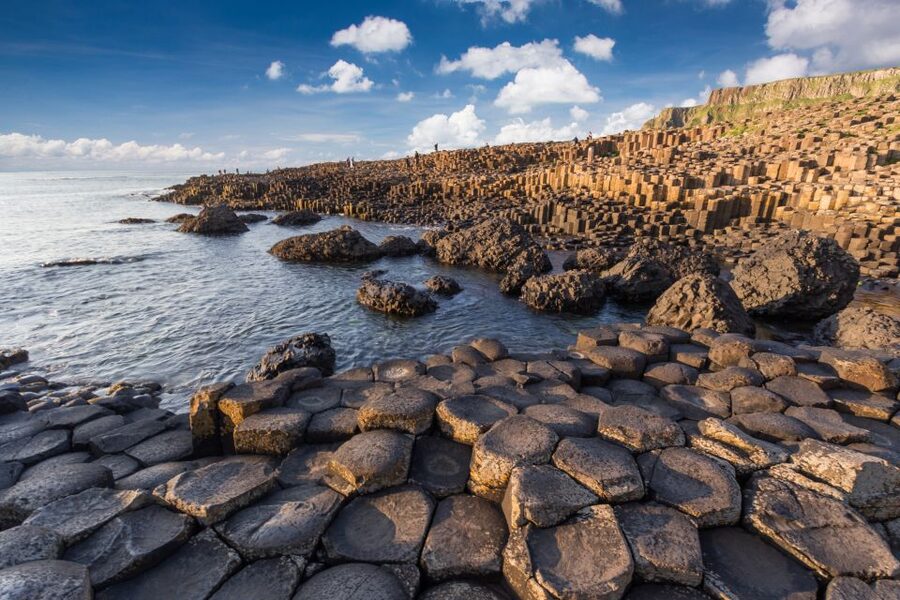
On day two, you leave Bangor and head north along the Causeway Coastal Route. The big idea here is variety: you’re not just driving from A to B. You get sweeping scenery, winding coastal roads, and planned stops that give you chances to stretch and photograph without rushing.
Along the way, you stop in Glenarm and Ballycastle. These pauses break up the day and help the coastline feel like a journey, not a transfer. If you like coastal towns and want quick looks before committing to a longer explore, these stops are a nice fit.
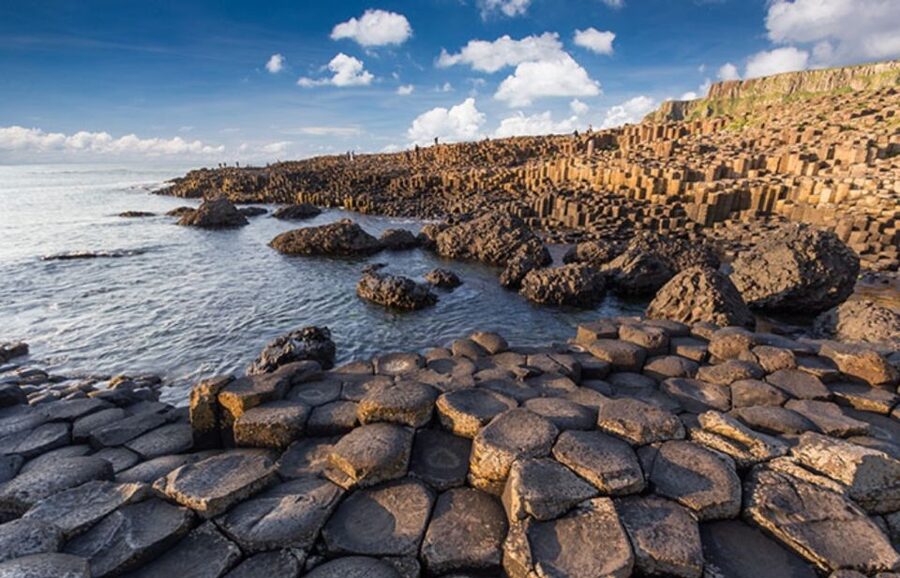
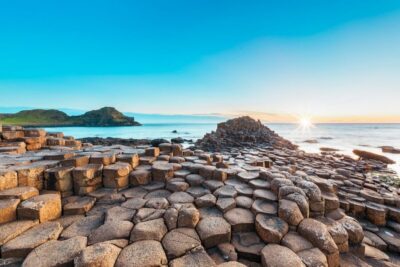
Then the tour delivers the main event: Giant’s Causeway. It’s where geology and myth hit you at the same time, with dramatic rock formations that look otherworldly even before you learn the story. You’ll enter in the afternoon, which can be great for softer light on the rocks, though clouds are always a possibility on the coast.
Comfort tip: bring shoes with solid grip. The ground around the attractions can be uneven, and you’ll want stable footing for the time you spend walking and viewing.
A handful more Dublin outings we would happily send a friend to


Game of Thrones in real landscapes: Dark Hedges and Winterfell at Castle Ward
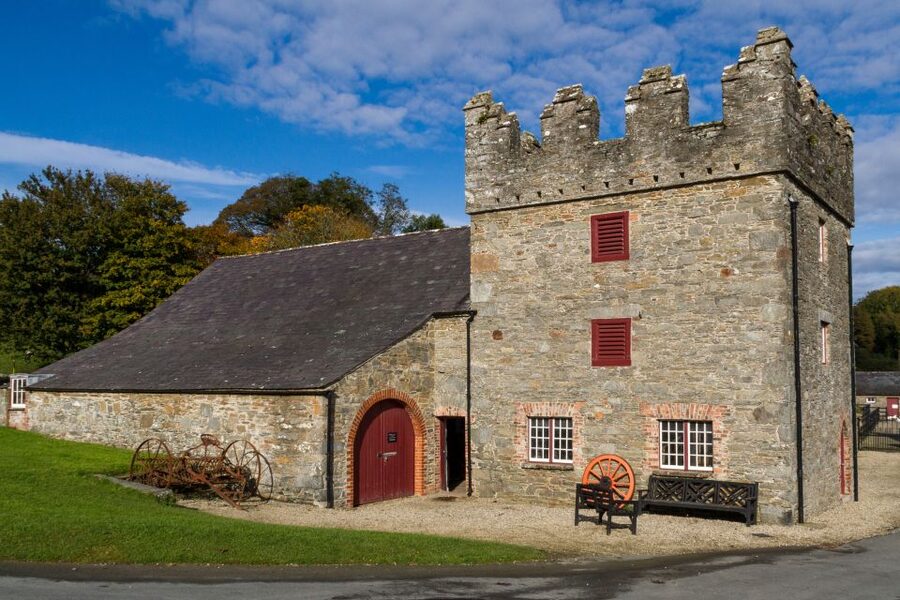
If you’re a Game of Thrones fan, this tour gives you more than a photo-op checklist. You experience filming locations in the actual landscapes that inspired the show’s mood—wind, stone, and coastline included. That helps the fiction feel like it has roots.
On day two, there may be a chance to see Dark Hedges. The wording matters: it’s not guaranteed, so treat it as a bonus rather than your main mission. If you’re going specifically for Dark Hedges, keep expectations flexible and focus on the overall route.
Day three brings the most direct Winterfell connection: Castle Ward, described as the filming location for Winterfell. You get time to explore the grounds and understand what life might have looked like for the real residents compared to the fictional Starks. Even if you’re not obsessed with the series, Castle Ward is worth it as a historic property visit tied to a popular story.
Overall, the Thrones element works best if you enjoy translating pop culture into place—seeing how landscapes shape storytelling.
Strangford Loch ferry at Portaferry: an easy win for photos
Day three starts with the Ards Peninsula, then heads to Portaferry for a ferry crossing across the “Narrows” of Strangford Loch. This is one of those moments that feels like a mini-break: you’re on water, you’re moving, and you have time for photos without needing to “power walk” through the day.
The ferry also helps you switch from road scenery to loch scenery, which keeps the trip from feeling repetitive. You’ll have ample time to take in sights, sounds, and scents of the loch, which is exactly the kind of sensory reset you want before the more intense mountain views later.
If you’re prone to getting motion-sick on boats, it’s smart to be cautious. The tour doesn’t give timing details for the crossing, so I’d pack a simple remedy just in case you’re sensitive.
Following St Patrick: Downpatrick area options and a calmer kind of sightseeing
After Castle Ward, the day shifts from fiction to faith and heritage. You’ll follow in the holy footsteps of St Patrick, moving through historic, beautiful countryside. This part gives the tour a different flavor than coast-and-cliffs sightseeing.
You’ll have time for lunch, and you may have the option to visit Down Cathedral in Downpatrick or the St Patrick’s centre. Since the exact stop can vary by your schedule, it helps to pick based on your preference: cathedral-style heritage or a museum-center approach to the saint’s story.
This is also a good segment for slowing down mentally. After geology and Thrones locations, St Patrick stops bring the trip back to a quieter, reflective pace.
The Mourne Mountains and Carlingford Loch: granite peaks, then a shoreline finale
The final stretch is all about scale. You’ll take a stunning, winding drive into the Mourne Mountains, where you’ll stand in awe among towering granite peaks. This is the kind of scenery that makes you glad you didn’t spend your trip only in cities.
Then the day finishes with a final stop at the shores of Carlingford Loch before you return to Dublin. This works well as a “landing” moment. You’re still in dramatic scenery, but it’s closer to water and calmer for wrapping up the last day.
Weather again matters here. In mountain areas, clouds can appear quickly. Layers and a waterproof outer layer are your best friend.
Price and what’s actually covered in the $759 cost
At $759 per person for 3 days, the value comes from doing less of the work yourself. You’re paying for transport in a 16-seat Mercedes minicoach, a driver/guide, and two nights of bed and breakfast. That includes the most stressful part of a trip like this: getting from Dublin through Belfast and into Northern Ireland’s countryside without arranging your own rides.
What’s not included: meals beyond breakfast, refreshments, and visitor attraction entry fees. That means your total spend on top of the tour can vary based on how many paid sites you choose to enter. If you’re the type who always buys tickets on a day trip, budget extra.
The route also has some built-in “value time”: Belfast’s Titanic Quarter museum time, Mount Stewart’s estate visit, and the guided look at major sites from the coast to the Ards Peninsula. If you tried to self-drive, you’d spend time on planning, parking, and route juggling—things a guided format removes.
One more practical detail that affects comfort: there’s a 20kg luggage limit per person. It should be one piece (like a carry-on size), plus a small onboard personal bag. If you travel with a big hard suitcase, you may need to rethink what you pack.
Small-group comfort: the real benefit of a max of 16
This tour runs with a maximum of 16 participants, which changes the feel of the experience. In practice, it means you can ask questions without shouting over a huge bus, and the day can flex more around what the guide thinks matters most.
The tour also uses a live English driver/guide setup. This matters on days when you’re moving through political context, filming locations, and landscape history—having a single voice connecting it all is easier than piecing it together from audio apps.
From the strongest praise, the guide quality is a major reason people rate this highly. Marcus, in particular, is highlighted for being attentive and for sharing a wealth of insight into the historical, political, and social sides of Ireland and Northern Ireland—without making the day feel heavy or academic.
Practical tips before you go (so the trip stays fun)
A few things will make your three days smoother:
- Wear country-walk shoes. You’ll be outside and on uneven ground more than once.
- Bring weather layers. Coasts and mountains can feel colder and windier than Dublin.
- Plan to keep your evenings simple in Bangor. The accommodation is en suite, but it may be a walk to restaurants and pubs.
- Keep an eye on stairs. Some B&Bs won’t have lifts. If you have difficulty with stairs, tell the operator.
- Expect a long day on day three. Dublin drop-off is scheduled for about 19:00.
Transport is 16-seat minicoach. That’s comfortable for a guided pace, but it’s still a day trip format—so bring a light snack plan for yourself if you’re sensitive to long meal gaps (meals beyond breakfast aren’t included).
Should you book this 3-day Dublin to Northern Ireland tour?
Book it if you want a guided route that hits Belfast, Titanic Quarter, County Down, the Causeway, and St Patrick sites in one clean package. It’s especially appealing if you like Game of Thrones connections and you enjoy seeing how stories land in real places. The small-group size and the guide attention—Marcus is a standout name—are the reasons this tour earns strong ratings.
Skip or think twice if you hate days with lots of driving, or if you require barrier-free accommodation. The B&B setup can involve stairs and the outskirts location may mean more walking to dinner. Also remember: entry fees, lunch, and refreshments aren’t included, so your budget should account for that.
If you’re flexible and you like your sightseeing to include context—not just photos—this is a smart way to experience Northern Ireland without turning your trip into a logistics project.
FAQ
Where does the tour start and end?
The tour departs from opposite the Kilkenny Shop, 6 Nassau Street, Dublin 2, and ends back at the same meeting point. On day 3, the scheduled Dublin drop-off is approximately 19:00.
What’s included in the tour price?
Included are transportation by a 16-seat Mercedes minicoach, a driver/guide, and two nights of bed and breakfast accommodation. Breakfast is included, but other meals are not.
What is not included?
Meals other than breakfast, refreshments, and visitor attraction entry fees are not included.
How big is the group?
The group is limited to a maximum of 16 participants for a more intimate experience.
How much luggage can I bring?
You’re restricted to 20kg (44lbs) of luggage per person, as one piece similar to an airline carry-on bag, plus a small bag for onboard personal items.
Is there free cancellation?
Yes. You can cancel up to 14 days in advance for a full refund.
More Tours in Dublin





More Tour Reviews in Dublin


North to Belfast and the Causeway
- Dublin: Giant’s Causeway, Dark Hedges, Dunluce and Belfast Titanic entrance fee
★ 5.0 · 2,301 reviews


Fresh off the cobbles: the latest Dublin reviews
- Dublin Private Airport Transfer to Ireland
★ 4.5 · 3 reviews - Private Chauffeur Service From Dublin Airport to Killarney
★ 5.0 · 3 reviews - Ireland: 3-Day West Coast Explorer Tour
★ 5.0 · 3 reviews - From Dublin: 4-Day Southern and Western Coast Tour
★ 4.3 · 3 reviews - Dublin : Street Art Walking Tour
★ 5.0 · 3 reviews - Spring Tonic Foraging Tour
★ 5.0 · 3 reviews
Giant's Causeway & Belfast, compared.
 ★ 4.8Giants Causeway, Dark Hedges, Dunluce & Belfast TourFrom $1128,843 reviews
 ★ 5.0Dublin to Belfast Black Cab, Dunluce Castle and Giant’s CausewayFrom $967,954 reviews
 ★ 5.0Dublin to Dunluce Castle, Giant’s Causeway, Dark Hedges & BelfastFrom $964,781 reviews
 ★ 5.0Dublin to Belfast Titanic, Dunluce Castle & Giant’s Causeway TourFrom $963,729 reviews
 ★ 5.0Giant’s Causeway, Dark Hedges, Dunluce and Belfast Titanic entrance feeFrom $1022,301 reviews
 ★ 4.8Giant’s Causeway, Dark Hedges & Titanic Guided TourFrom $1241,898 reviews
★ 4.5Giants Causeway, Dark Hedges, Dunluce & Belfast TourFrom $941,835 reviews
 ★ 4.8From Dublin: Game of Thrones Studio Tour with Coach TransferFrom $571,596 reviews
Browse the lists this tour appears in