
Reviewed · MUSEUMS
Irish Famine Museum / Exhibition Dublin
The Irish Famine story hits hard in a small space. The Irish Famine Museum Exhibition Dublin runs about 1 hour and lays out the Great Hunger with museum artifacts and a short documentary, all in the St Stephen’s Green area. I especially like the self-paced layout, so you can pause, read what matters, and move on when you’re done.
The main thing to consider: this is a pop-up-style museum set upstairs in a shopping centre, and the film area may feel warm since it isn’t climate controlled.
In This Review
- Key Things to Know Before You Go
- Irish Famine Museum Dublin in St Stephen’s Green: What You’re Really Getting
- The Self-Guided Setup: Freedom to Read (or to Skim)
- The 15-Minute Documentary Film: Short, Focused, Not a Full Production
- Artefacts, 19th-Century Photos, and Newspapers: The Evidence Style
- A Rare Bonus: Aerial Views of St Stephen’s Green Park
- The Pop-Up Reality: Upstairs in a Mall, Text-Forward, Quick by Design
- Price and Value: When $18.15 Makes Sense
- Timing and Opening Hours: Plan a 12:00–6:00 Window
- Language Support: English Experience Plus Translation Guides
- Who Should Book This Irish Famine Museum Visit?
- Should You Book? My Practical Take
- FAQ
- Where is the Irish Famine Museum Exhibition located?
- How long does the experience take?
- What do I get with my ticket?
- Is this a guided tour with a live guide?
- What language options are available?
- What are the opening hours?
- Is the museum suitable for families and children?
- Are service animals allowed?
- Is there a limit on group size?
- Is free cancellation available?
Key Things to Know Before You Go
- Self-guided museum visit: no group pacing, so you control the time
- 15-minute documentary included: short AV support alongside plenty of reading panels
- A rare Dublin angle: you’ll see aerial views of St. Stephen’s Green park
- Real artefacts and period media: including an original soup pot, plus 19th-century photos and newspapers
- Translation guide support: available in French, German, Italian, and Spanish
- Limited scale: designed for up to 90 people, so it stays manageable
More Dublin museums and exhibitions
- Irish Rock ‘N’ Roll Museum Experience Dublin★ 5.0 · 6,112 reviews
- Dublin Hop-On Hop-Off Bus Tour with Guide and Little Museum Entry★ 4.5 · 3,327 reviews
- Dublin Irish Whiskey Museum and Gallery Guided Tour with Tasting★ 5.0 · 3,078 reviews
- The Little Museum of Dublin Famous Guided Tour★ 5.0 · 2,948 reviews
Irish Famine Museum Dublin in St Stephen’s Green: What You’re Really Getting
If you’re looking for a history stop that’s serious but not complicated, this works well. The Irish Famine Museum Exhibition Dublin is located in the St Stephen’s Green Shopping Centre at St Stephen’s Green (Dublin D02 HX65). The experience is offered in English, and you’ll spend about an hour moving through the displays at your own pace.
This is also a great “add-on” museum when you’re already in the area. You can fit it between walks in Dublin without it turning into a half-day project. And because it’s self-guided, you’re not stuck waiting on a group or pretending to understand something fast while everyone else catches up.
The Self-Guided Setup: Freedom to Read (or to Skim)
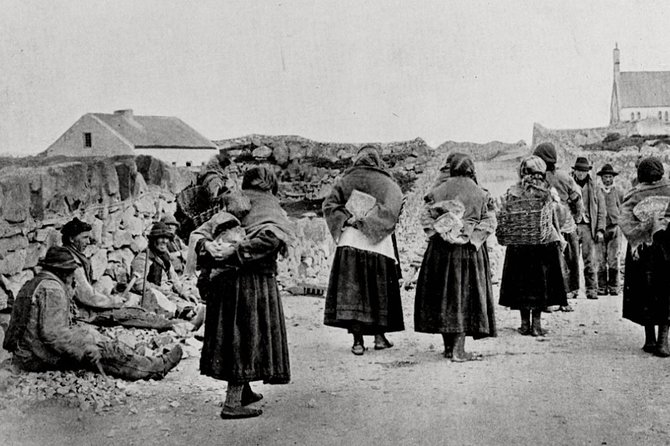
This is a self-guided museum experience, which sounds simple—until you realize it changes how the whole place feels. The exhibition leans on posters, photos, and short documentary support, so your visit rhythm is up to you. If you like absorbing information one section at a time, you’ll do well here.
There’s also a practical advantage: you can spend extra time on what grabs you—like the politics and decision-making angle—then skip sections that don’t hold your attention. One of the strongest reviews I kept in mind is how people described it as straightforward and fact-focused, with a film to break up the reading.
The trade-off is obvious: if your family or group hates reading panels, this may feel more like a “walk-and-read” exhibit than an interactive museum.
The 15-Minute Documentary Film: Short, Focused, Not a Full Production

The included documentary is about 15 minutes, and it serves as a change of pace. In a museum like this, a short film is useful because it helps you connect the dots faster than reading alone.
One key consideration: the film viewing space isn’t described as climate controlled. If you’re sensitive to heat, it may feel uncomfortable during the screening portion, especially on busier afternoons. My advice is simple: if you’re visiting during warm weather, wear breathable layers and plan a slow pace right around the film segment.
Artefacts, 19th-Century Photos, and Newspapers: The Evidence Style
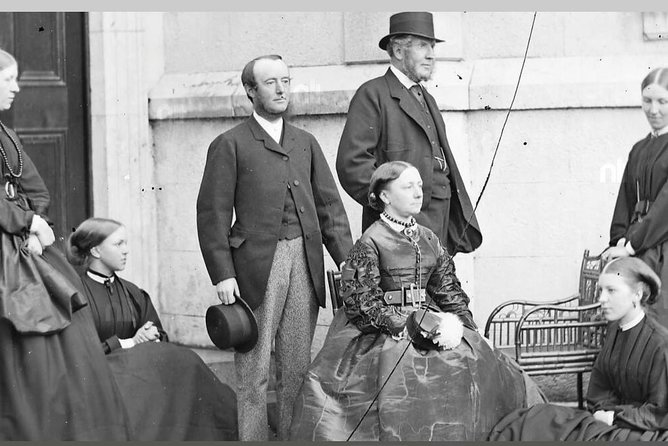
What makes this exhibition feel more grounded is that it doesn’t rely only on modern explanations. You’ll see museum artefacts (including an original soup pot) and lots of 19th-century photos and period newspapers. That mix matters, because it turns the story from an abstract chapter in a textbook into something with physical context.
It’s also why the exhibit can feel emotionally intense for some visitors. Reviews describe it as affecting, and it’s not hard to see why: the displays connect human suffering to decisions made by governments and landholders, and they explain how long disasters can take hold during agricultural crises.




A Rare Bonus: Aerial Views of St Stephen’s Green Park
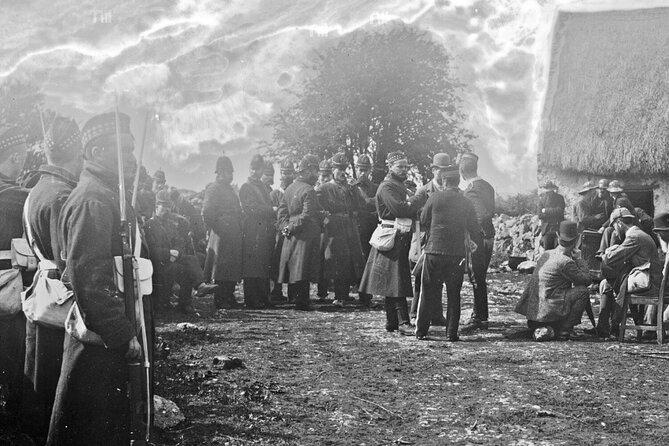
One of the more surprising “only-in-Dublin” touches is the mention of rare aerial views of St Stephen’s Green park. Even if you don’t know Dublin well, that detail anchors the experience to a place you can find on your map.
In practical terms, it gives you a short visual break from the famine-focused panels without turning the whole museum into something off-topic. If you like sightseeing that connects history to the city you’re standing in, you’ll likely enjoy this section.
The Pop-Up Reality: Upstairs in a Mall, Text-Forward, Quick by Design
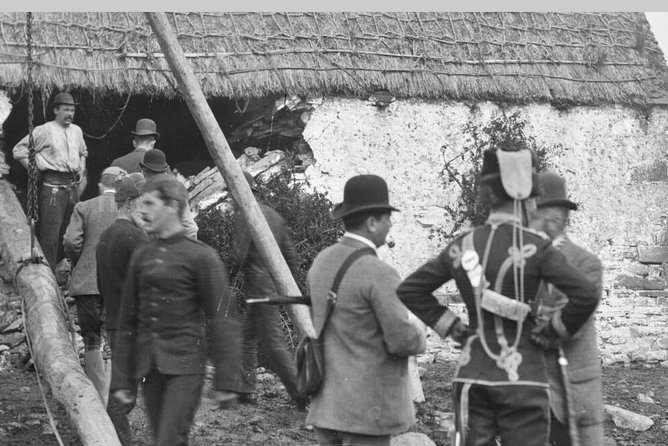
Here’s the honest vibe: this exhibition is a pop-up museum housed in the upstairs area of a shopping centre. That’s not necessarily a problem. It can actually make the visit feel more direct and less “institutional.”
But it explains two things:
1) why it can feel text-heavy, and
2) why the experience is limited in time.
One review used the phrase pop-up museum, saying it felt like a room of posters with limited AV beyond the short film. That’s a good description of what you’re signing up for. If you’re hoping for big interactive stations or hands-on experiences, you may feel a little underwhelmed. If you’re okay reading and want a clear historical narrative, this will likely hit the right note.
Also note that the pop-up nature means the exhibition is temporary and runs through the season—so if you’re planning a visit, don’t leave it too late in the year.
Price and Value: When $18.15 Makes Sense
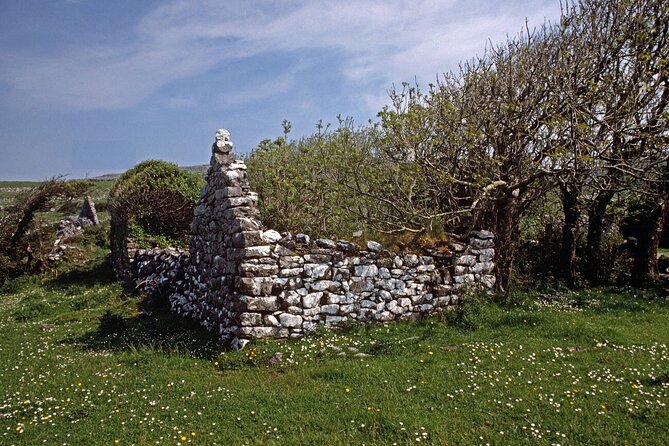
At about $18.15 per person for roughly an hour, the key question is value for your style of travel.
This ticket makes the most sense if:
- you want a focused, self-guided history stop,
- you’re comfortable with reading panels,
- and you appreciate supporting context like the short documentary and historical media (photos and newspapers).
If you want a museum experience that’s mostly hands-on, or you expect a climate-controlled, high-production environment, you may decide it’s pricier than it feels. But for a one-hour visit that gives you real artefacts and period material, it’s an even better deal than it sounds—especially when you’re already near St Stephen’s Green.
Timing and Opening Hours: Plan a 12:00–6:00 Window
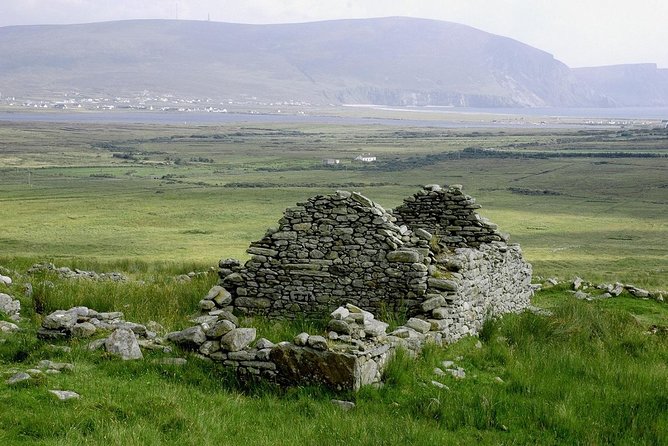
During the listed season, the exhibition runs Monday through Sunday from 12:00 PM to 6:00 PM (from 04/01/2026 through 09/30/2026). Because you’re going for about an hour, you don’t need to arrive early in the day. Still, I recommend aiming for the middle of the window so you can take your time without feeling rushed.
Booking in advance is smart here. The museum offers mobile tickets and is designed so you can skip the entrance lines by having your admission ready. That matters more in Dublin than in smaller towns, because queues and foot traffic can move fast.
Language Support: English Experience Plus Translation Guides
The experience is offered in English, but you’re not stuck if your group reads other languages. A translation guide is available in French, German, Italian, and Spanish.
This is the type of detail that makes a difference in real life. It means you can bring along people who don’t read English comfortably, and everyone still gets a coherent experience. It’s also a good solution for families: you can help one another through the posters and spend less time translating out loud.
Who Should Book This Irish Famine Museum Visit?
This is a strong fit for you if:
- you like history museums where you can control your pace,
- you don’t mind reading and looking closely at photos,
- and you want a short documentary to anchor the story.
It may be less ideal if:
- your group dislikes reading text on posters,
- you strongly prefer interactive or hands-on exhibits,
- or you’re very uncomfortable in warmer indoor spaces (especially around the film portion).
It’s also a good stop if you’re traveling with older kids who can handle museum-style reading for about an hour. Younger children can go, but they must be with an adult.
Should You Book? My Practical Take
Book it if you want a clear, fact-focused Great Hunger exhibition in a convenient Dublin location—St Stephen’s Green—and you’re okay with a self-guided, text-forward museum that uses an artefact-based approach plus a 15-minute documentary.
Skip it or reconsider if you’re expecting a modern, hands-on museum with lots of audio-visual immersion and temperature-controlled comfort throughout. The pop-up setup and the mall setting are part of the deal.
If you’re planning a Dublin day around this area anyway, this is exactly the kind of stop that can turn a normal walk into something meaningful—without eating half your day.
FAQ
Where is the Irish Famine Museum Exhibition located?
It’s located in the St Stephen’s Green Shopping Centre at St Stephen’s Green, Dublin, D02 HX65, Ireland.
How long does the experience take?
The visit takes about 1 hour (approx.).
What do I get with my ticket?
Your ticket includes admission to the exhibition and a short documentary as part of the experience. You can also access translation support if needed.
Is this a guided tour with a live guide?
No. It’s self-guided, so you explore at your own pace.
What language options are available?
The experience is offered in English, and a translation guide is available in French, German, Italian, and Spanish.
What are the opening hours?
For the listed season, it’s open 12:00 PM to 6:00 PM, Monday through Sunday (from 04/01/2026 to 09/30/2026).
Is the museum suitable for families and children?
Children must be accompanied by an adult. Most travelers can participate, but the experience is still best for visitors comfortable with museum reading.
Are service animals allowed?
Yes. Service animals are allowed.
Is there a limit on group size?
Yes. The activity has a maximum of 90 travelers.
Is free cancellation available?
Yes. You can cancel for a full refund if you cancel up to 24 hours in advance of the experience start time.
More Dublin Museums






More Tour Reviews in Dublin






Fresh off the cobbles: the latest Dublin reviews
- Dublin Private Airport Transfer to Ireland
★ 4.5 · 3 reviews - Private Chauffeur Service From Dublin Airport to Killarney
★ 5.0 · 3 reviews - Ireland: 3-Day West Coast Explorer Tour
★ 5.0 · 3 reviews - From Dublin: 4-Day Southern and Western Coast Tour
★ 4.3 · 3 reviews - Dublin : Street Art Walking Tour
★ 5.0 · 3 reviews - Spring Tonic Foraging Tour
★ 5.0 · 3 reviews
Museums, compared.
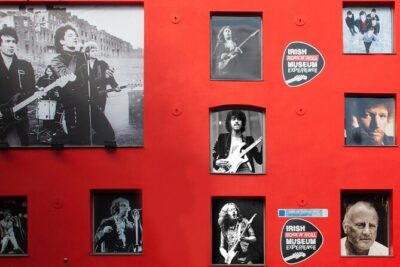 ★ 5.0Irish Rock ‘N’ Roll Museum Experience DublinFrom $266,112 reviews
 ★ 4.5Dublin Hop-On Hop-Off Bus Tour with Guide and Little Museum EntryFrom $383,327 reviews
 ★ 5.0Dublin Irish Whiskey Museum and Gallery Guided Tour with TastingFrom $303,078 reviews
 ★ 5.0The Little Museum of Dublin Famous Guided TourFrom $212,948 reviews
 ★ 4.5Dublin EPIC Museum Admission TicketFrom $251,729 reviews
 ★ 5.0Giant’s Causeway with the Titanic Exhibition and the best of Northern IrelandFrom $1021,122 reviews
 ★ 4.6Irish Whiskey Museum Tour and Whiskey TastingFrom $22999 reviews
 ★ 4.6EPIC Museum Entrance TicketFrom $24816 reviews
Browse the lists this tour appears in