
Reviewed · TRINITY COLLEGE & BOOK OF KELLS
St Patricks Cathedral. Dublin Castle, Book of Kells Heritage Tour
St Patrick’s, Trinity, and Dublin Castle in one plan. This 3.5-hour heritage tour strings together three of Dublin’s biggest cultural hits with guided context, fast-track entry, and skip-the-line time-saving. I especially like the stop at St Patrick’s Cathedral (hello, Jonathan Swift’s tomb) and the way the Book of Kells at Trinity’s Long Room gets explained before you see it up close. One thing to know: Dublin Castle is grounds and gardens only, not interior rooms.
The whole experience stays manageable thanks to a small group size (max 15) and a professional English-speaking local guide. You’ll also get a quick taste of Dublin’s folk side with the Molly Malone statue finish. If you hate walking, bring comfy shoes, because this is a steady city stroll with several transitions between sights.
In This Review
- Key highlights worth aiming for
- How this heritage route saves your Dublin time
- St Patrick’s Cathedral: more than a pretty Gothic church
- Dublin Castle grounds: what you’ll see (and what you won’t)
- The Book of Kells experience at Trinity College Dublin
- Trinity College beyond the Long Room: why the campus matters
- Molly Malone statue: the quick, fun folklore stop
- Small-group energy: why the guide matters here
- Pacing and footwear: plan like it’s a city walk
- Price and value: is $142 worth it?
- Should you book this St Patrick’s, Castle, Book of Kells tour?
- FAQ
- How long is the tour?
- Where does the tour start and where does it end?
- What’s included in the price?
- Do we go inside Dublin Castle buildings?
- What language are the tours offered in?
- What’s the group size?
Key highlights worth aiming for
- Fast-track access to the major sites so your time goes to seeing, not waiting
- St Patrick’s Cathedral stories that connect architecture, faith, and famous Irish figures
- Book of Kells + Long Room viewing with guided setup (including an immersive digital element in the Old Library)
- Trinity College context so the Long Room feels more than just a photo stop
- A small-group feel that makes Q&A easier, with guides who tailor the pace to the group
Around Trinity, the Long Room and Dublin Castle
- Dublin: Fast-Track Book of Kells Ticket & Dublin Castle Tour★ 4.5 · 1,661 reviews
- St Patrick’s Cathedral, Book of Kells and Dublin Castle Tour★ 4.5 · 882 reviews
- Dublin: Trinity College Campus Guided Walking Tour★ 4.2 · 392 reviews
- Dublin: Book of Kells, Dublin Castle and Christ Church Tour★ 4.9 · 379 reviews
How this heritage route saves your Dublin time
Dublin has a way of turning “just a quick stop” into an hour-long line. This tour is built to fight that problem. You’re paying for fast track skip the line and exclusive entry to the sights included, plus an organized route that keeps you from backtracking across central Dublin.
At 3 hours 30 minutes, it’s long enough to feel like you actually did something, but short enough to leave room for dinner plans the same day. It’s also a useful option if you’re visiting for the first time and want a clean overview of how Ireland’s story gets told in buildings, art, and symbols.
St Patrick’s Cathedral: more than a pretty Gothic church
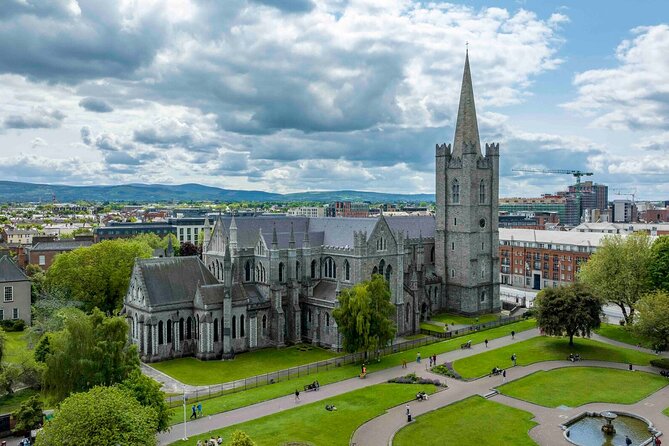
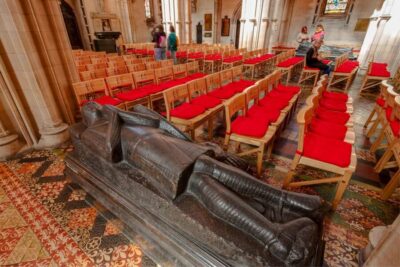
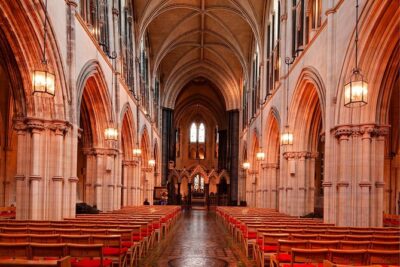
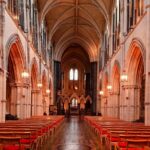
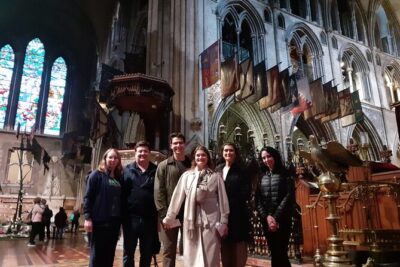
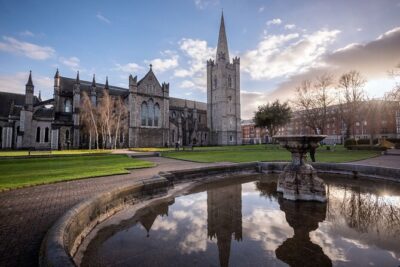
St Patrick’s Cathedral is one of those places where the scale alone grabs you, then the details hold you there. It’s the largest cathedral in Ireland, and the Gothic design shows up in the soaring arches, intricate carvings, and ornate woodwork. If you like architecture, you’ll spot memorials, plaques, and tombs built into the stonework—this isn’t a blank “sightseeing” interior.
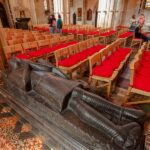
The cathedral also has serious literary star power. The most popular draw inside is the tomb of Jonathan Swift, who served as Dean from 1713 to 1745. Even if you don’t know his writing, you’ll walk away understanding why an 18th-century satirist still matters in Ireland.
Two story details you shouldn’t skip: the Door of Reconciliation storyline and the broader “how faith and politics tangled together” themes that guides often bring forward in this space. This is where a good guide earns their keep, because the cathedral is packed with meaning and easy to miss if you just look up and move on.
Practical tip: after you go in, slow down for a minute. The first rooms can feel fast, but the carvings and memorial plaques reward that extra attention.
Dublin Castle grounds: what you’ll see (and what you won’t)
Dublin Castle is a masterclass in how power leaves fingerprints. The site goes back to an early 13th-century fortress, built on the remains of a Viking settlement. Over time, it became the seat of English and British administration in Ireland for over 900 years, and then shifted again after 1922, when it was handed over to the new Irish Free State following the Anglo-Irish Treaty.
Here’s the key limitation: this tour includes a walk through the castle grounds and gardens, but you do not enter the interior buildings. That can be a letdown if you were hoping for the full castle rooms, but it still works well because the grounds give you context and layout without turning your day into a museum marathon.
If Dublin Castle is a top priority for you, you can treat this stop like a smart orientation. You’ll know what to look for when you return on your own.
The Book of Kells experience at Trinity College Dublin
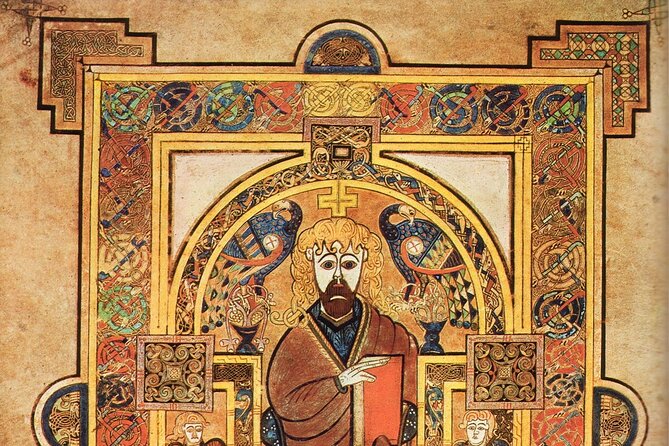
This is the part most people come for, and it’s also the part where being organized pays off. The Book of Kells is one of Ireland’s cultural crown jewels: an illuminated manuscript created by Celtic monks around 800 AD. It contains the four Gospels in Latin, decorated with detailed artwork, gold leaf, and vivid color.
What makes it more than a single “wow page” moment is the way the experience is set up for you. You’ll see two open pages (and the pages are rotated regularly), plus an exhibition that helps explain how the manuscript was made. That matters because the Book of Kells isn’t just decorative. It’s symbol-heavy and craft-heavy, mixing Christian iconography with traditional Irish motifs like spirals, animals, and knots.
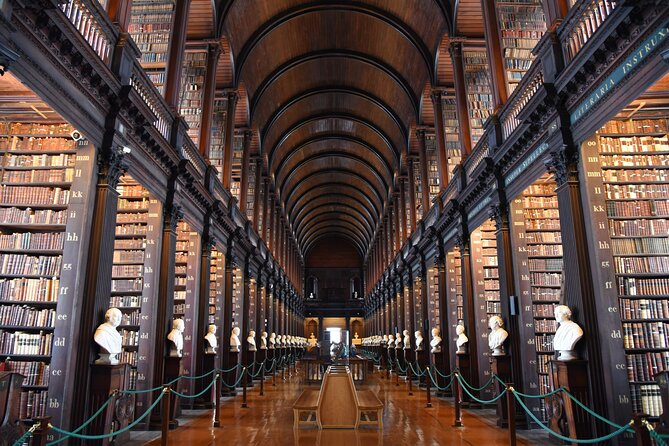
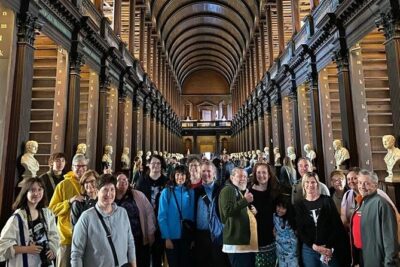
After the manuscript viewing, don’t race out. Trinity’s Long Room is stunning for a reason beyond the photo line. It’s a 65-meter hall and contains about 200,000 of the library’s oldest books. The included time in Trinity’s Old Library also includes a new immersive digital experience, which can be a nice way to connect the manuscript and the setting instead of treating them like separate stops.
If you care about art, history, or both, this stop is also where the guide’s role really lands. Since the guide can’t provide formal commentary inside certain rooms, they typically give a preview before you enter, so you’re not standing there trying to figure out what you’re looking at.
One more thoughtful detail: the Book of Kells’ backstory. It was likely made on the island of Iona, then moved to Kells for safekeeping. That kind of context helps you see the manuscript as a living object shaped by place and risk.
More of Dublin's cathedrals and old churches


Trinity College beyond the Long Room: why the campus matters
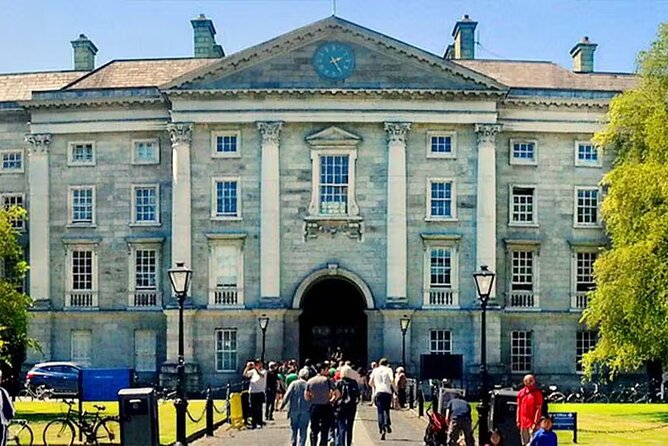
Even though your time inside is focused, Trinity College Dublin has enough “real” campus landmarks to make the experience feel grounded. Trinity was founded in 1592 by Queen Elizabeth I and sits on a historic 47-acre campus in central Dublin.
Your included campus time helps you connect the Book of Kells to the broader identity of the university. You can also look out for landmarks like the Campanile bell tower and the Rubrics Building—the oldest surviving structure. The point isn’t to tour every building like a student. It’s to understand why the Long Room is where it is, and why Trinity feels like a place that values scholarship as part of national identity.
Molly Malone statue: the quick, fun folklore stop
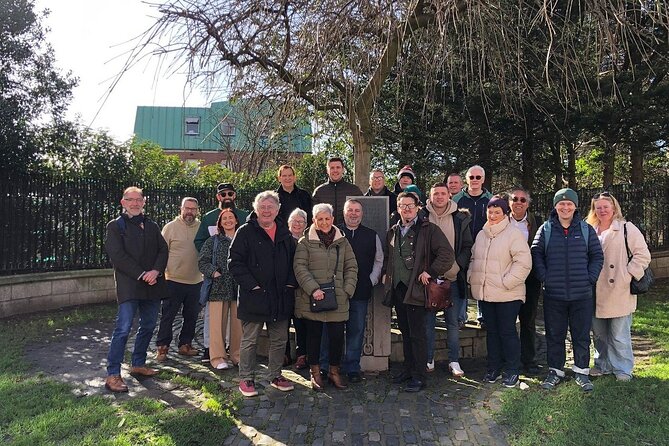
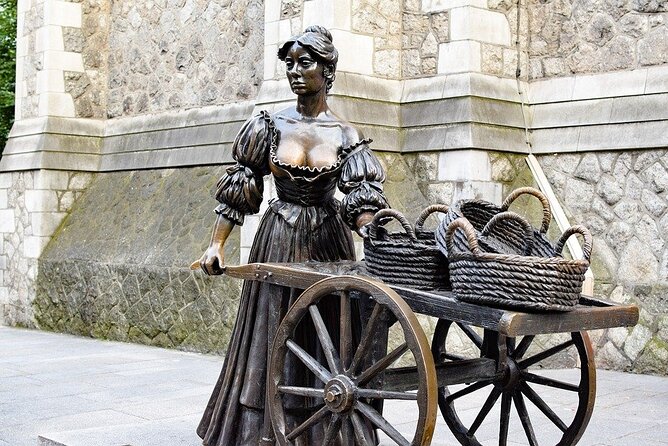
After the heavier history stops, the Molly Malone statue is a palate cleanser. It’s a bronze sculpture by Jeanne Rynhart, unveiled in 1988 for Dublin’s Millennium celebrations.
Molly is depicted as a 17th-century fishmonger, pushing a cart loaded with seafood. It’s a simple stop—about 20 minutes—but it’s a useful reminder that Dublin’s heritage isn’t only cathedrals and manuscripts. It’s songs, characters, and street-level stories too.
If you’re moving toward lunch or your next activity after the tour, this is a nice point to get a quick photo, grab your bearings, and head out.
Small-group energy: why the guide matters here

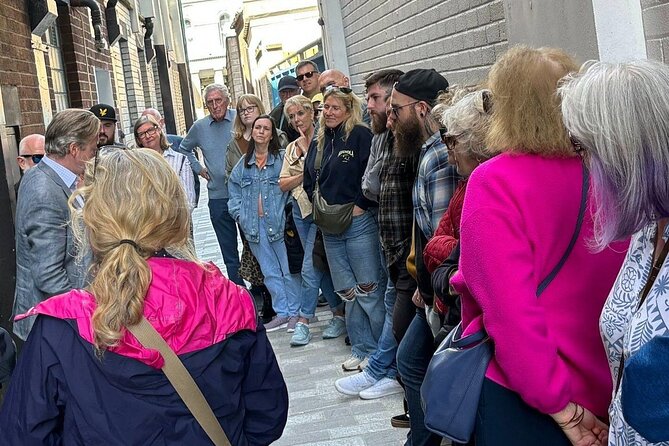
This tour runs with a maximum of 15 travelers, and many departures end up even smaller. In real terms, that means the pace stays friendly. You’re not lost in a crowd, and it’s easier to ask questions while the guide is still fresh from the last stop.
The guides are also a big part of the appeal. You’ll meet professional local leaders who can connect architecture, religion, literature, and politics without turning it into a lecture. Names you may see associated with this tour include Alan, Noel Quinn, Marty, Mick, Michael Kenny, and Sean—and the common thread is strong storytelling and lots of answering from the group.
One practical plus: if someone in your party has walking trouble, the guide may help with navigation choices. There’s at least one case tied to this tour where an attendee using a walker was set up with elevator access.
Pacing and footwear: plan like it’s a city walk
This is a walking tour, with multiple indoor and outdoor transitions. Some parts move faster because you’re timed into entry windows, and some parts slow down because you’ll want to pause and read plaques, study carvings, or spend extra minutes in the Long Room.
If you’re doing this as your first major sights day in Dublin, give yourself a relaxed afternoon or early evening after. The tour ends outside St Patrick’s Cathedral, so you’ll finish in a place that’s easy to continue exploring at your own speed.
Wear comfortable shoes. Even if you don’t feel like you’re doing a lot of walking on the map, Dublin stone and cobblestones can make your feet notice.
Price and value: is $142 worth it?
At $142.02 per person, this isn’t a budget-only activity. But you are paying for a bundle of things that usually cost extra when you do them separately: admission included, a professional guide, and fast-track skip-the-line/exclusive entry to the main sights.
That value equation often works best if:
- you want the Book of Kells and Long Room without losing half your morning to queues
- you’d rather spend your time learning the meaning than hunting for context on your own
- you’re traveling with limited flexibility and want a structured route
- your priority is Dublin’s top landmarks in one go—St Patrick’s, Trinity’s Old Library, and the castle area
If you’re the kind of traveler who loves wandering solo and you don’t mind waiting, you could DIY it. But for most people, the time savings and guided setup are what make the price feel fair.
Should you book this St Patrick’s, Castle, Book of Kells tour?
I’d book it if you want a tidy hit list of Dublin’s essentials with real guidance and skip-the-line help. It’s especially smart for first-timers who want Ireland’s story told through the big symbols—cathedral, castle, and medieval manuscript—without wasting time.
You might skip or think twice if:
- Dublin Castle interiors matter a lot to you (this one is grounds and gardens only)
- you have limited mobility and the walking transitions would be stressful
- you already know you’ll spend most of your time in Trinity museums on your own and prefer a DIY pace
If you want a straightforward, high-impact way to see the highlights in a single morning-to-afternoon window, this is a strong choice.
FAQ
How long is the tour?
The tour is about 3 hours 30 minutes.
Where does the tour start and where does it end?
It starts at the Henry Grattan Monument on College Green, Dublin and ends outside St Patrick’s Cathedral at St Patrick’s Close, Dublin.
What’s included in the price?
Admission tickets are included for St Patrick’s Cathedral, Dublin Castle, and the Book of Kells/Trinity College Old Library Long Room experience. The tour also includes a professional English-speaking local guide and fast track skip-the-line/exclusive entry.
Do we go inside Dublin Castle buildings?
No. You get a walk through the castle grounds and gardens, but the tour does not enter the interior of castle buildings.
What language are the tours offered in?
The tour is offered in English.
What’s the group size?
The tour has a maximum of 15 travelers.
More Tour Reviews in Dublin






Dublin's Cathedrals and Churches



Trinity and the Book of Kells




Fresh off the cobbles: the latest Dublin reviews
- Dublin Private Airport Transfer to Ireland
★ 4.5 · 3 reviews - Private Chauffeur Service From Dublin Airport to Killarney
★ 5.0 · 3 reviews - Ireland: 3-Day West Coast Explorer Tour
★ 5.0 · 3 reviews - From Dublin: 4-Day Southern and Western Coast Tour
★ 4.3 · 3 reviews - Dublin : Street Art Walking Tour
★ 5.0 · 3 reviews - Spring Tonic Foraging Tour
★ 5.0 · 3 reviews
Trinity College & Book of Kells, compared.
 ★ 4.5Dublin Book of Kells, Castle and Molly Malone Statue Guided TourFrom $953,825 reviews
 ★ 4.5Fast-Track Book of Kells Ticket & Dublin Castle TourFrom $901,661 reviews
 ★ 4.5St Patrick’s Cathedral, Book of Kells and Dublin Castle TourFrom $143882 reviews
 ★ 4.2Trinity College Campus Guided Walking TourFrom $18392 reviews
 ★ 4.9Book of Kells, Dublin Castle and Christ Church TourFrom $77379 reviews
 ★ 5.0Dublin in a Day: Dublin Castle, Book of Kells, Guinness & WhiskeyFrom $172247 reviews
 ★ 4.5Trinity Trails: Guided Walking Tour of Trinity CollegeFrom $19203 reviews
 ★ 4.8St Patrick’s, Book of Kells, and Dublin Castle TourFrom $101164 reviews
Browse the lists this tour appears in