
Reviewed · WORKSHOPS
Dublin: Forge a Silver Ring Workshop on George’s Street
Your souvenir starts as a silver bar. In Dublin, you can turn it into a sterling silver ring right in the city center, guided by an expert tutor from first cut to final polish. I like that the process is built around your choice of fit and finger, so the ring feels personal. I also love the small-group setup (limited to 6), which keeps the hands-on instruction from feeling rushed.
One big consideration: the studios are up steep stairs, so the workshop isn’t suitable for people with impaired mobility or wheelchair users.
In This Review
- Key things I’d bet on before you book
- Why a Dublin sterling silver ring workshop beats the usual souvenirs
- George’s Street meeting point: what to do before class starts
- The 2-hour flow on George’s Street: from marking to final polish
- Curve decisions and filing: where your ring starts to look like yours
- Texture and planishing: three styles, one clear creative payoff
- The finishing routine: polish selection and what you take home
- Price and value: is $98 worth two hours in Dublin?
- Comfort, pace, and what the workshop environment feels like
- Who this workshop fits (and who should pick something else)
- Quick practical tip list so you enjoy the full 2 hours
- Should you book Forge a Silver Ring Workshop on George’s Street?
Key things I’d bet on before you book
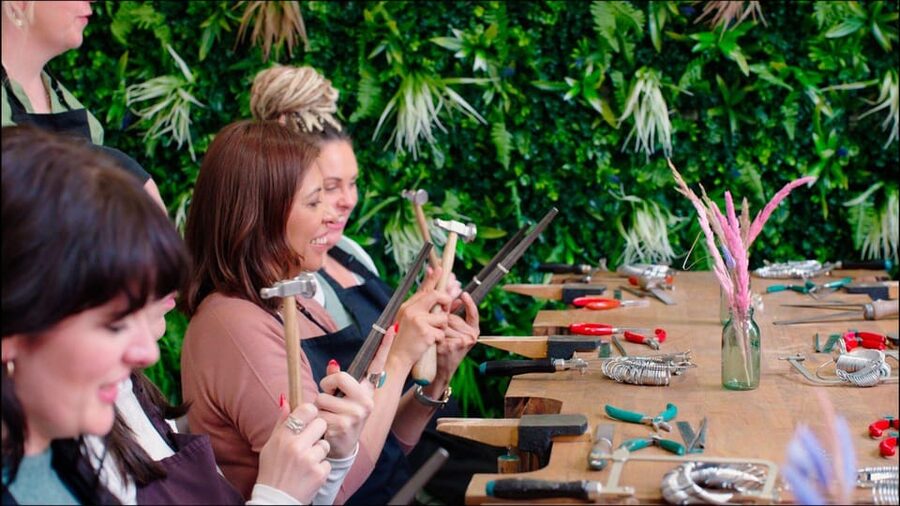
- Hands-on forging from scratch: you cut, form, solder, file, texture, and polish
- Personalized sizing choices: you start by marking the silver to your required length and finger
- Central Dublin locations: George’s Street studio, with Drury Street as an alternate option
- Real creative control: you decide on curve and choose from three texture styles
- A take-home ring you made: plus tea/coffee and snacks included
- Good English needed: the workshop is taught in English, so you’ll want comfort with that
A handful more Dublin outings we would happily send a friend to
- Dublin: Irish Music and Dance Show with Dance Lesson★ 4.7 · 567 reviews
- Dublin: Jameson Distillery Whiskey Blending Class★ 4.8 · 113 reviews
- Irish Craic & Cuisine: Cooking Class & Dinner in Central Dublin★ 5.0 · 80 reviews
- Dublin: Forge a Silver Ring Workshop on George’s Street★ 5.0 · 56 reviews
Why a Dublin sterling silver ring workshop beats the usual souvenirs
If you’ve ever bought a trinket and then wondered what it’s doing in a drawer, this kind of workshop is the fix. The point here is simple: you make something you can wear. A sterling silver ring isn’t just decorative. It’s proof that you spent a couple of hours doing real craft instead of just passing through.
I like how the workshop is structured as a series of clear skills. You start with a raw strip of silver and gradually move into shaping, joining, smoothing, and finishing. You can see your progress as the ring takes form. And because you’re guided through each step, you’re not left guessing.
It also helps that this is in central Dublin. After class, you’re already close to the city’s streets and sights, rather than heading out to a distant studio. You get a workshop memory that actually matches the city you’re in.
George’s Street meeting point: what to do before class starts
This is one of those activities where showing up on time matters. You’ll want to arrive at least 10 minutes early, since late entry isn’t accepted beyond 10 minutes after the class begins. If you’re coming from the airport, plan extra buffer time because there are no transfers for late flights.
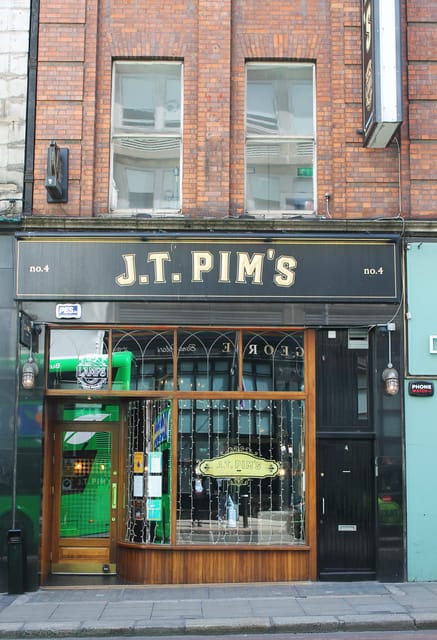
For George’s Street, the studio is above JT Pimms. Look for the black door to the right and press the buzzer for entry. That’s your cue that you’re in the right place, and it’s easy to remember once you’re standing there.
If George’s Street doesn’t have availability, there’s a second location on Drury Street. Same idea, different address—handy if your schedule lines up better with the alternate studio.
The 2-hour flow on George’s Street: from marking to final polish
This workshop runs about 2 hours, and starting times vary, so check availability before you lock in your Dublin plan. The schedule is action-packed, but it’s also paced for a small group.
Here’s the practical sequence you can expect:
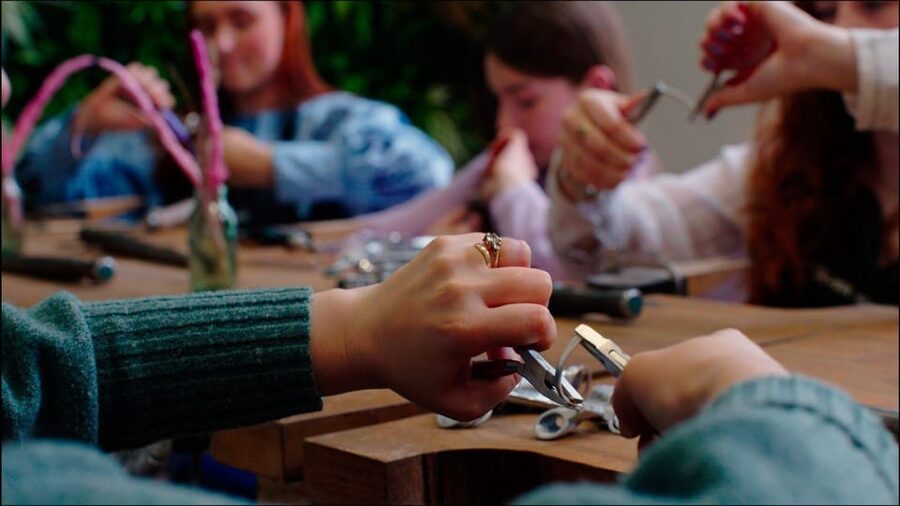
First, you start with sizing. You mark the silver to the length you require by choosing which finger you want it on. That matters because ring fit is the whole point. Then you use a handsaw to cut the metal to size.
Next comes shaping. You’ll form the ring using a mallet to shape it over a ring mandrel. This is the stage where your “straight piece of silver” starts becoming an actual ring, not just a craft project.
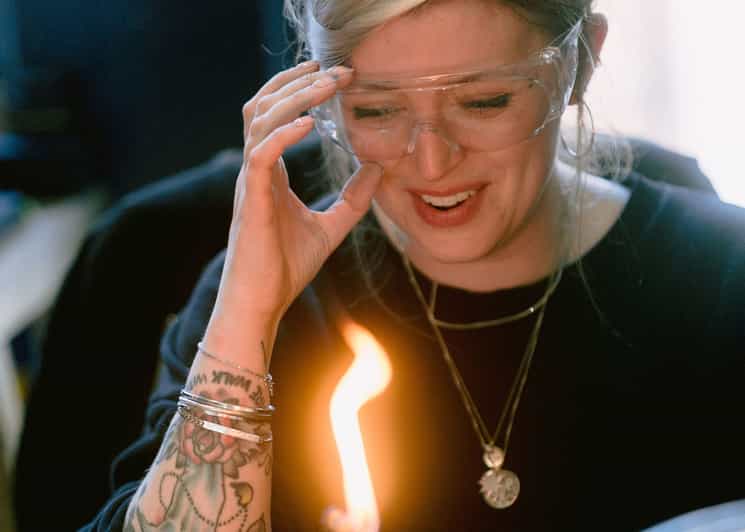
Then your ring gets joined. The soldering step is handled with an expert tutor guiding you through the process. This is where you’re learning craft technique, but you’re also getting the “don’t worry, we’ll help” support you want—especially if it’s your first time with metalwork.
After soldering, you move into finishing basics: filing. You’ll file using different hand files until the ring edges and surface feel right. At this point, the ring stops looking like a workshop experiment and starts looking like jewelry.
Curve decisions and filing: where your ring starts to look like yours
A plain ring can still look flat or odd if the curve isn’t right. That’s why this workshop includes a step where you individualize the ring’s shape—specifically, deciding what curve you’d like it to have. Even small changes in curve can affect how the ring sits and how it looks in hand.
Filing is also where you get control. You’re not just smoothing randomly; you’re working with the hand files to refine the metal into something clean and wearable. The tutor’s role is important here because filing is less dramatic than hammering or soldering, but it’s what determines how comfortable and polished the end result feels.
If you’re the type who likes “craft with feedback,” this is the sweet spot. You can watch the surface improve as you work, and you can see how tiny adjustments change the final look.
And yes, there’s a comfort factor: the workshop is limited to 6 participants, so you’re less likely to feel like you’re waiting while someone else gets all the attention.





Texture and planishing: three styles, one clear creative payoff
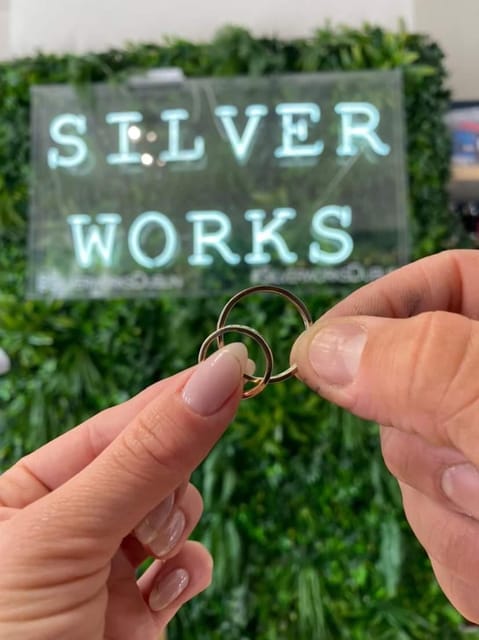
After filing and shaping, you get to the fun part: textures. You’ll choose from three very different textures. Since the textures are pre-set, you’re not expected to invent anything from scratch. You’re choosing a style and learning how to achieve it correctly.
Then you use a planishing hammer to create the texture you selected. This step is basically controlled stamping and flattening, and the tutor guidance helps you avoid the common “too much, too soon” mistakes that can happen when you’re excited and your focus slips.
Why I think this is a highlight: textures are where your ring stops looking like everyone else’s. Two people can start with similar sizing and still end up with very different rings once the texture choice and metal shaping are done.
If you’re bringing someone with you—partner, friend, sibling—this is a moment that usually makes the workshop feel personal even before you finish polishing.
The finishing routine: polish selection and what you take home
The final stage is all about making it wearable and photographable. You select your polish to finish the ring, then you take home the finished souvenir.
Included refreshment is part of the experience too: tea/coffee and snacks are included. That small comfort matters in a workshop like this, because it keeps the energy steady when you’ve been filing and shaping for a while.
When you leave, you’re not walking away with something you bought. You’re taking home your own sterling silver ring, made step-by-step with expert instruction. That difference is why this activity turns into a standout memory for many people.
If you want to upgrade the ring later, there are options. Engraving costs €30 per ring and takes 48–72 hours after class. Gold plating costs €30 and takes about 3 weeks. You can also choose different metal widths for extra cost: 3mm for €10, 5mm for €12.50, 6mm for €15.
Price and value: is $98 worth two hours in Dublin?
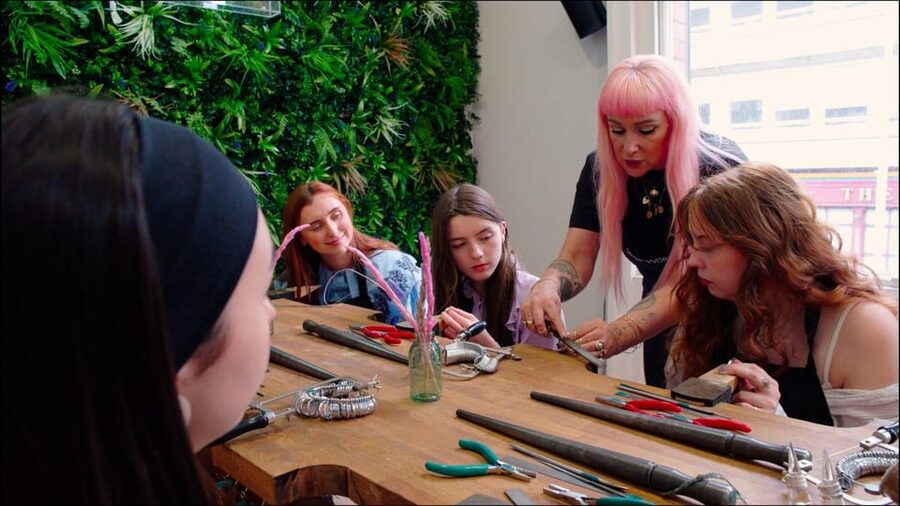
At $98 per person, this isn’t the cheapest activity in Dublin. It is also not trying to be. You’re paying for hands-on tutoring, tools, and the time required to guide you through cutting, shaping, soldering, filing, texturing, and finishing—then handing you a finished ring you can actually wear.
What makes it feel like good value is that the experience is “all hands” rather than passive. You’re not just watching a demo. You’re making choices (finger, curve, texture, polish), and you end up with a tangible souvenir that looks like jewelry, not a craft coupon prize.
Also consider the time-to-reward ratio. You’ll complete the ring within the class window. Optional extras like engraving and gold plating add wait time, but you have the core result when you’re done.
For couples or friends who want something more meaningful than a quick meal, this can be a strong choice. It’s especially fitting if you’re celebrating something personal and want the story attached to the object.
Comfort, pace, and what the workshop environment feels like
This is a workshop with real tools and steady guidance. That means the atmosphere is practical—people chatting, learning, working with their hands, and then stopping to check in with the tutor when needed.
The small group size (max 6) is a big deal for pace. In a class like this, you want enough time to practice each step without feeling like you’re constantly catching up.
The instruction is provided in English, and the workshop specifically notes that you need a good level of English. If you’re confident with basic craft vocabulary and directions, you should be fine. If you’re only comfortable with very simple phrases, it may feel stressful.
One extra human touch: multiple participants describe instructors as helpful and supportive, including help when someone gets stuck. One tutor name that comes up is Kate, noted for guidance during the process.
Who this workshop fits (and who should pick something else)
This workshop is a strong match if you want a hands-on craft experience in Dublin that ends with a wearable souvenir. It also suits people who like guided steps and appreciate when someone else helps you correct technique as you go.
It’s suitable for children over 10, but anyone under 16 must be accompanied by a paying guardian. If you’re planning a family activity, this can be a good option for older kids who can handle attention and tools safely (as directed by the instructors).
It’s not suitable for wheelchair users or people who have impaired mobility, mainly due to steep stairs at both studios. It also notes it isn’t suitable for people with visually impaired access needs.
If English is a concern, take that seriously. The workshop language is English, and you’re expected to follow directions for safety and technique.
Quick practical tip list so you enjoy the full 2 hours
You’ll enjoy the class more if you set yourself up to move comfortably. Wear clothes you don’t mind getting a bit of workshop grit on, since you’ll be handling metal and tools. Bring a normal, calm pace mindset—this isn’t a race, and it’s better when you focus on each step.
Also, give yourself time to find the studio entrance on George’s Street. Above JT Pimms, black door to the right, buzzer pressed—that’s your landmark.
Should you book Forge a Silver Ring Workshop on George’s Street?
Book it if you want a Dublin activity with a real outcome: you’ll leave with a made-by-you sterling silver ring and a story that doesn’t fade after a day.
I’d especially recommend booking if:
- you like making things with your hands, even if you’re a beginner
- you want personalization beyond a standard souvenir
- you prefer a small group experience in a central location
Skip it (or look at alternatives) if:
- stairs and mobility access are an issue for you
- you’re not comfortable with an English-taught workshop
- you want something passive or sightseeing-only with no tools involved
If your schedule is tight, note this: free cancellation is available up to 24 hours in advance, so it’s easier to be flexible while you map out the rest of your Dublin days.
If you’re deciding between locations, check George’s Street first, then use Drury Street if it opens up your ideal time slot.
More Dublin Workshops and Classes




More Tour Reviews in Dublin






Fresh off the cobbles: the latest Dublin reviews
- Dublin Private Airport Transfer to Ireland
★ 4.5 · 3 reviews - Private Chauffeur Service From Dublin Airport to Killarney
★ 5.0 · 3 reviews - Ireland: 3-Day West Coast Explorer Tour
★ 5.0 · 3 reviews - From Dublin: 4-Day Southern and Western Coast Tour
★ 4.3 · 3 reviews - Dublin : Street Art Walking Tour
★ 5.0 · 3 reviews - Spring Tonic Foraging Tour
★ 5.0 · 3 reviews
Workshops, compared.
 ★ 4.9Forge a Silver Ring Workshop on Drury StreetFrom $981,065 reviews
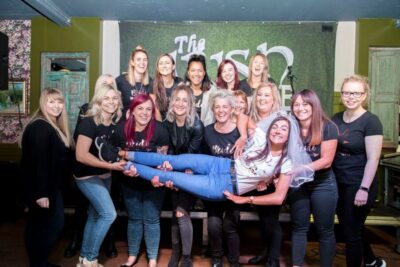 ★ 4.7Irish Music and Dance Show with Dance LessonFrom $28567 reviews
 ★ 4.8Jameson Distillery Whiskey Blending ClassFrom $68113 reviews
 ★ 5.0Irish Craic & Cuisine: Cooking Class & Dinner in Central DublinFrom $11780 reviews
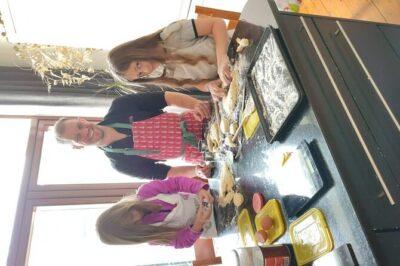 ★ 5.0Irish Baking Class: Granny’s Apple Cake, Traditional SconesFrom $10228 reviews
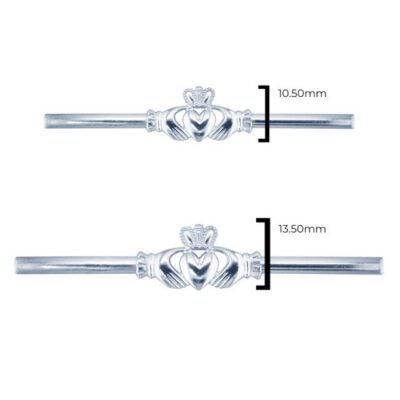 ★ 5.0Forge Your Own Silver Claddagh Ring WorkshopFrom $14825 reviews
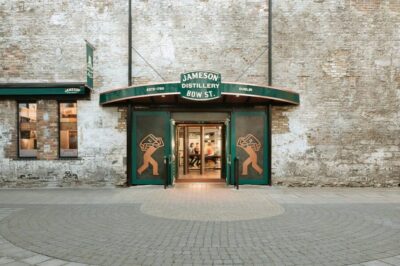 ★ 5.0Jameson Distillery Whiskey Cocktail-Making ClassFrom $6822 reviews
 ★ 5.0Private Cooking Class in a Modern Home with Sea Views in Skerries, DublinFrom $8912 reviews
Browse the lists this tour appears in