
Reviewed · HOP-ON HOP-OFF BUS TOURS
Dublin: Hop-on Hop-off Bus Tour
A bus ride that feels like a city story. This Dublin hop-on hop-off tour is made for getting your bearings fast, with major sights on one double-decker loop and live guide commentary along the way.
I especially like the freedom built into the ticket: you can hop on and off over 24 or 48 hours, then return later when you’re ready for the next stop. The route also hits the places you’ll want more time at, like Trinity College and the Guinness area.
One thing to plan for is how city traffic can affect the ride. Several reviews point out that when traffic is heavy, the journey can feel slower than you’d like, even though the stops and commentary stay worth it.
In This Review
- Key Things That Make This Dublin Bus Tour Worth Your Time
- Tickets, price, and how long you really get in Dublin
- Where the route starts and how you’ll move through the city
- Live guide storytelling, multilingual audio, and the sing-along factor
- Stop-by-stop: what each major area is good for
- O’Connell Street to the museum-and-gallery belt (get oriented fast)
- Stephen’s Green, Grafton Street, and the Little Museum moment (included value)
- Trinity College and the Book of Kells anchor (classic Dublin for a reason)
- Oscar Wilde, city hall energy, and Temple Bar (choose your vibe)
- Dublin Castle and Chester Beatty Library (heritage plus a calmer indoor break)
- Christ Church Cathedral, Dublinia, and St Patrick’s Cathedral (big religious landmarks)
- Whiskey row: Teeling, Pearse Lyons, Jameson (tastings optional, timing matters)
- Irish Museum of Modern Art and Kilmainham Gaol (a heavier, more reflective stretch)
- Phoenix Park and Dublin Zoo (your big open-air reset)
- Heuston, Collins Barracks, and a few pass-by favorites
- River option: Bachelor’s Walk cruise stop
- Planning your hop-offs: 1 day vs 2 days that actually feels relaxed
- If you have 1 day
- If you have 2 days
- Should you choose the Docklands branch too?
- Who this tour suits best (and who should skip it)
- Final verdict: book it if you want Dublin to make sense
- FAQ
- FAQ
- Is the ticket valid for 24 hours or 48 hours?
- How much does the Dublin hop-on hop-off bus tour cost?
- Where does the tour start?
- What time does the first bus depart and when does the last one leave?
- How often do the buses run?
- What’s included with the ticket besides the bus ride?
- Do I need separate tickets for major attractions?
- What languages are available?
Key Things That Make This Dublin Bus Tour Worth Your Time
- 24- or 48-hour flexibility so you can match the city to your pace
- Double-decker convenience with a loop that covers top Dublin landmarks in a single ticket
- Live storytelling plus multilingual audio (Spanish, Chinese, German, Italian, Russian, English, Portuguese, French, Irish)
- Stop selection that mixes famous and practical sights (museums, castles, parks, and key neighborhoods)
- Family-friendly perk: one child under 15 is free with a paying adult
- The Little Museum of Dublin is included so one major culture stop costs you nothing extra
More open-top loops of the city
- Dublin: Hop-on Hop-off Bus Tour★ 4.5 · 2,470 reviews
- City Sightseeing Dublin Hop-On Hop-Off Bus Tour★ 4.0 · 2,416 reviews
- Big Bus Dublin Hop-on, Hop-off Sightseeing Tour with Live Guide★ 4.5 · 2,387 reviews
- Dublin Public Transport and Hop-On Hop-Off Sightseeing Bus Tour★ 4.5 · 851 reviews
Tickets, price, and how long you really get in Dublin
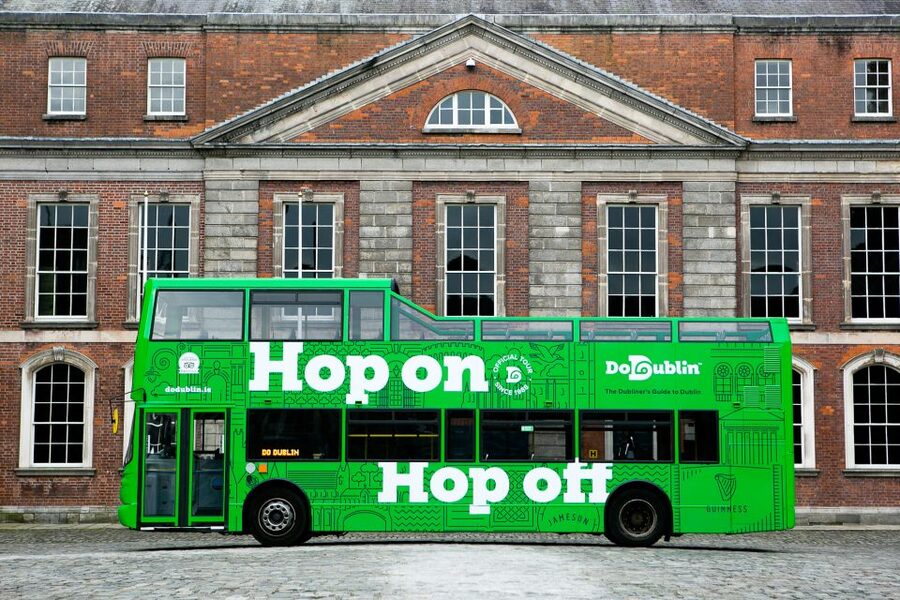
You’re paying $36 per person, which makes this a strong “first-plan” move for Dublin. The value comes from time, not just transit. With a ticket valid for 24 or 48 hours, you’re not rushing through stops once and done—you can split your sightseeing into two calmer blocks if you want.
The schedule also supports that flexibility. The first tour departs from the main start point around 09:00, with runs fairly frequent in the morning and afternoon (including buses every 30 minutes early on, then every 20 minutes through part of the day). By the time you’re doing your second loop, you’ll usually have enough chances to get back on without sweating the clock.
There are also two starting location options listed for the first stop area. Expect the tour to begin at O’Connell Street / DoDublin HQ—including 59 O’Connell Street Upper (Dublin Bus Head Office) or Rotunda. That’s convenient because O’Connell Street puts you near central transit and a lot of walkable sights.
Where the route starts and how you’ll move through the city
This tour is built around a core central spine, then it branches out to cover both sides of Dublin’s main attractions. You’ll start at O’Connell Street, then pass through and stop near key cultural zones and landmarks—everything from the big museum buildings to Trinity’s area, then out toward the whiskey stops and museum-heavy neighborhoods.
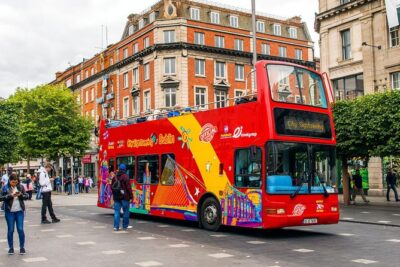
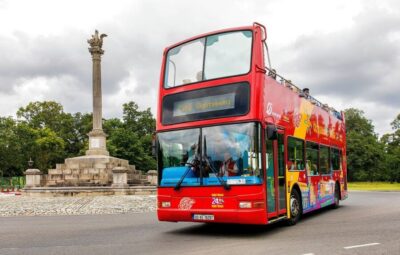
The bus is a double-decker, which matters more than you might think. Higher seats tend to feel easier for short stops where you’re trying to spot landmarks quickly and decide if you want to hop off next time.
There’s also a related option called the Docklands Tour with its own run pattern: it departs at 5 past the hour from the second stop area on the original route, runs about 1 hour 45 minutes, and has earlier and later departures (first around 09:05, last around 18:05). If you only have a portion of a day to spare, this can help you get a focused extra look while still doing the main loop.
Finally, remember that the tour ends back at the start/meeting area. One benefit of a hop-on hop-off style loop is you’re not stranded far from where you started; it’s easier to come back and reset before dinner.
Live guide storytelling, multilingual audio, and the sing-along factor
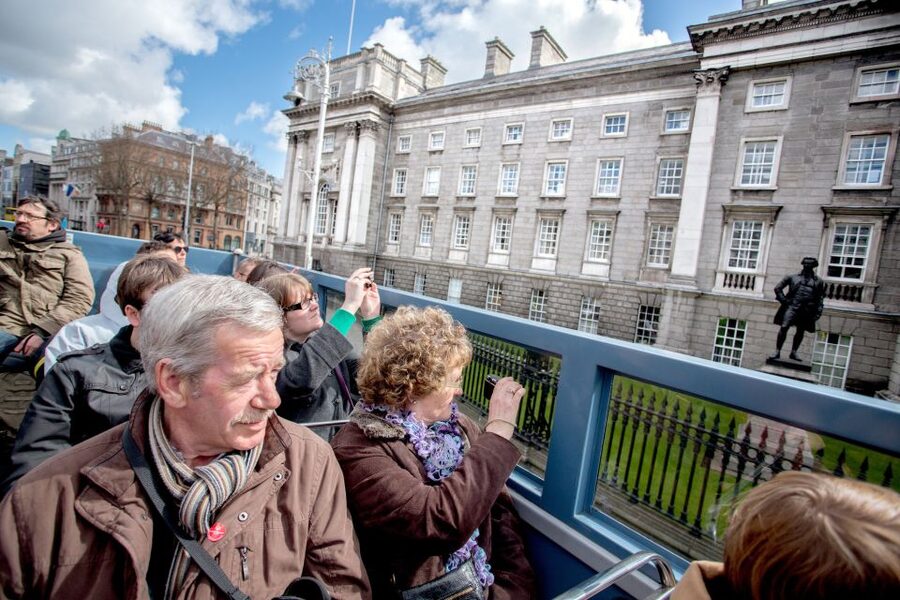
This is the kind of tour where the narration can make a normal street feel like a timeline. You get a live English guide, and you also get an audio guide with multiple languages: Spanish, Chinese, German, Italian, Russian, English, Portuguese, French, Irish. That combination helps if your group has mixed language comfort.
The best part, based on the experiences people describe, is how personable the guide-and-driver team can be. Names that come up often include guides/drivers like Martin, Ray, Brendon, Gareth and Cam, Damian, Steven, Fiona, Wayne, and Johnny Mac (you may see spelling variations). A repeated theme is humor and audience interaction, including Irish songs and even Molly Malone style sing-alongs.
Why that matters for you: Dublin has a lot of landmark density. When the commentary is funny and specific, you’ll remember what you saw instead of treating it like background noise. It also helps if you’re short on time—your guide can steer your attention to what’s worth hopping off for.
There’s one real caution from feedback: the music track can feel repetitive for some people if it plays on a loop. If you’re sensitive to that kind of thing, it’s smart to bring your patience—or plan to spend more time off the bus where the sound stays natural.
Stop-by-stop: what each major area is good for
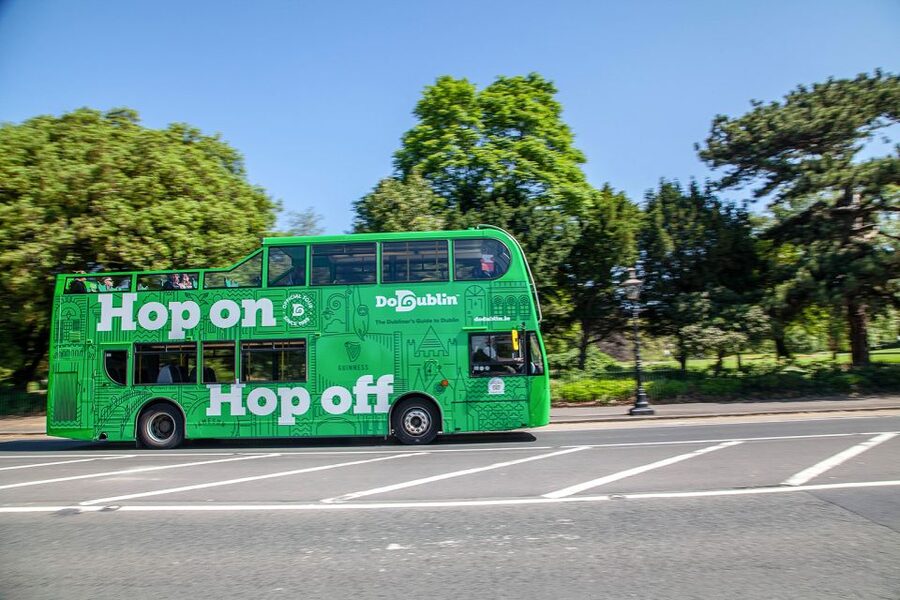
Think of the route like a menu. You don’t need to do every stop. Pick based on what you want most: big names (Trinity, Guinness), museums, cathedrals, whiskey, or the big open-air pause of Phoenix Park.

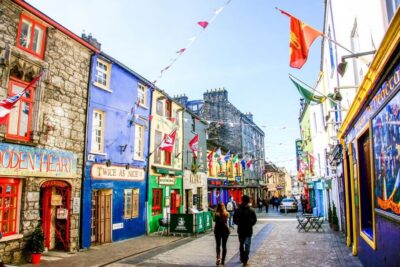


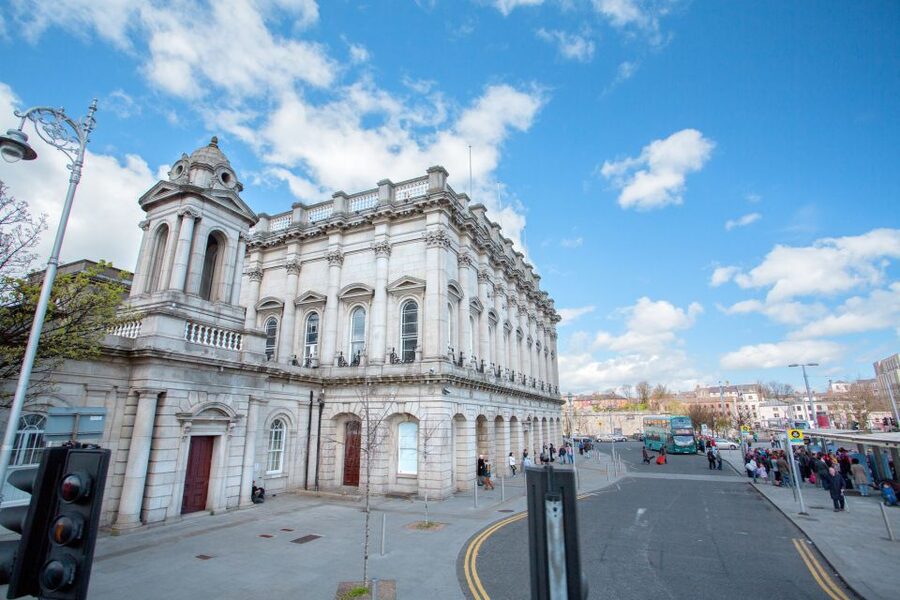
O’Connell Street to the museum-and-gallery belt (get oriented fast)
From the start zone around O’Connell Street, the bus runs through the city’s central cultural strip.
- Parnell Square North – Writers Museum: This is a solid “start here” stop if you like Irish culture that’s more about people and storytelling than just buildings. Even if you only do a quick look, it can help you understand the city’s creative backbone.
- An Post / key central streets (pass by areas): These quick passes are useful for orientation. You see where major institutions sit, which makes your later walking easier.
- National Library of Ireland (Nassau Street): A great stop if you’re the type who enjoys formal institutions and want a quick view of Dublin’s learning side.
- National Gallery of Ireland (Merrion Square West): If your group wants art, this is where you hop. The drawback is simple: art stops can eat time fast, so don’t plan a frantic hop-and-go here unless you’re okay with a shorter visit.
- Leinster House & Natural History Museum (Merrion Street): This combination is useful if you want Dublin that’s both civic and scientific. You’ll get two very different vibes without changing parts of the city.
Stephen’s Green, Grafton Street, and the Little Museum moment (included value)
This part of the route is where sightseeing turns into a pause.
- St Stephen’s Green (and the Little Museum area): Stephen’s Green is a good place for a break and a picnic mindset. You can also connect your stop time to a stroll toward Grafton Street for coffee, browsing, and street life.
- Little Museum of Dublin (included): This is one of the best “you don’t have to think” perks on the ticket. You get complimentary entry here, so you’re adding an actual museum stop without shelling out extra entry fees. It’s especially helpful when you want Dublin’s personal, human-scale stories rather than only major-ticket landmarks.
- Science Gallery (Pearse Street): If you like interactive-style learning, this is where you hop. The tradeoff is it can turn into “one more exhibit” time, so plan your hopping around how long your group can keep interest.
Trinity College and the Book of Kells anchor (classic Dublin for a reason)
This stop is where your Dublin trip often locks into place.
- College Green – Trinity College & Irish Whiskey Museum: Trinity is the headline, and the Irish Whiskey Museum tie-in makes it easier to keep the momentum after the classic campus moment. If you’re doing Book of Kells, plan to have what you need for entry. One piece of practical advice that comes up often is to make sure you have tickets for Book of Kells.
- What to do here: I like using this as the “do something iconic first” stop. You’re near enough to many other sights that finishing here doesn’t trap you.
Oscar Wilde, city hall energy, and Temple Bar (choose your vibe)
As you move back toward the river-courtyard historic center, the bus passes key story neighborhoods.
- Westland Row – Oscar Wilde’s Birthplace (pass by): Even a quick look can help you place Wilde in the city’s geography.
- City Hall (Dame Street): Good for framing the central civic area if you’re into architecture and official Dublin.
- Temple Bar: This is the stop for nightlife energy and old-street tourism. The benefit is convenience: you’re right there. The drawback is that Temple Bar can feel crowded; if your style is quieter, use it for a short walk or a photo, then move on.
Dublin Castle and Chester Beatty Library (heritage plus a calmer indoor break)
This area is about major landmarks and a pause from street noise.
- Dublin Castle & City heritage: A top hop-off if you want big, unmistakable Dublin history in one place.
- Chester Beatty Library: This is a different kind of indoor stop, and it can be a relief if you’re tired after hopping outside. The downside is that indoor stops are harder to “half-do,” so you’ll want a realistic time window.
Christ Church Cathedral, Dublinia, and St Patrick’s Cathedral (big religious landmarks)
You’ll hit two major cathedral zones, and you’ll also pass museum-style stops linked to them.
- Christ Church Cathedral & Dublinia: The cathedral is the headline, and the museum element is where you can add context fast.
- St Patrick’s Cathedral & Marshes Library: This is a powerful one-two with Christ Church. If you’re doing both, go in with a plan: pick one for deeper time and treat the other as more of a strong visit.
- Marshes Library: It’s listed as part of this stop area, so it’s a potential add-on if you want something quieter and more text-and-knowledge focused.
Whiskey row: Teeling, Pearse Lyons, Jameson (tastings optional, timing matters)
Dublin’s whiskey stops are a fun way to break up the day because they give you short, distinct experiences.
- Teeling Whiskey Distillery
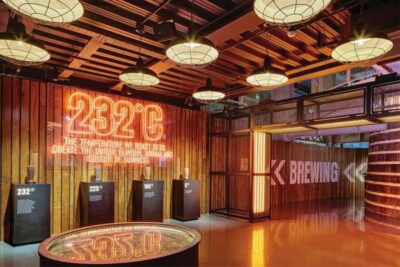
- Guinness Storehouse
- Pearse Lyons Whiskey Distillery
- Jameson Distillery (Bow Street area)
- Arran Quay Jameson area (pass-by on the route)
Important planning point: entrance fees are not included unless specified, so budget for the attractions that require paid entry. Also, these stops can be popular. If you want specific tours or tasting times, you might find timing matters.
If you’re traveling with a mixed group, these whiskey stops can act like a compromise: some people go in for the full tour, while others stay outside to enjoy the street scene and then reunite later.
Irish Museum of Modern Art and Kilmainham Gaol (a heavier, more reflective stretch)
If you want Dublin that’s less postcard and more real-world, this section works.
- Irish Museum of Modern Art (IMMA): Great for people who like art that feels current. It’s also a nice change of pace after big-name classics.
- Kilmainham Gaol: This is a major stop for anyone who wants Dublin history tied to events and the human side of the past. The drawback is mood: it can be emotionally weighty, so it’s not always the best first stop if you’re trying to keep your day light.
Phoenix Park and Dublin Zoo (your big open-air reset)
This is one of the most satisfying hops on the route, mainly because it shifts the pace.
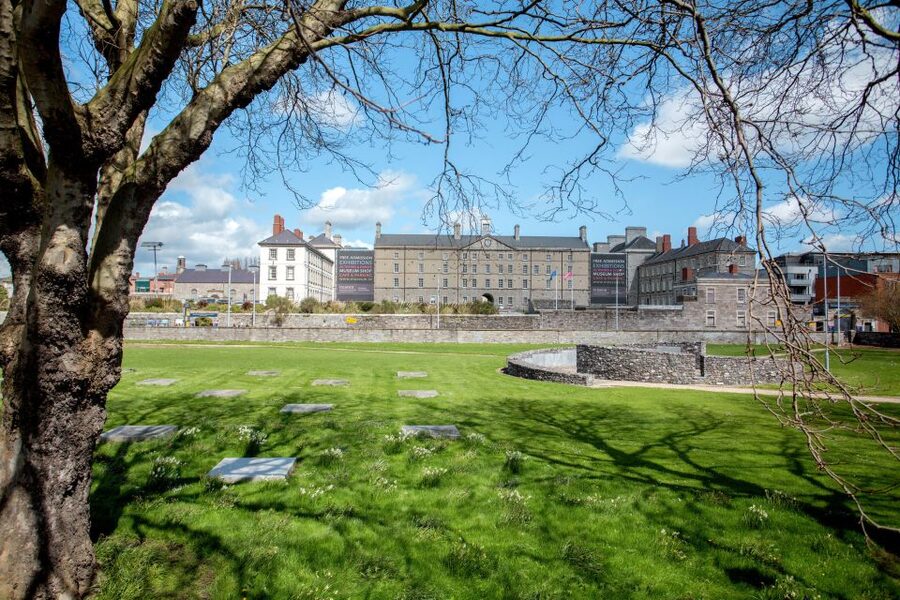
- Phoenix Park: You’ll learn it was once a 17th-century royal hunting park. That historical angle helps the park feel more than just greenery.
- Phoenix Park – Dublin Zoo: If you’re traveling with kids, this is usually an easy sell. Even for adults, it’s a good way to end the day with something less structured than museum rooms.
Heuston, Collins Barracks, and a few pass-by favorites
A couple of additional stops appear on the broader route list, and they’re useful depending on what you’re curious about.
- Heuston Rail Station: Good as a look at Dublin’s transport backbone and a recognizable landmark.
- Collins Barracks – National Museum of History: If you want another museum, this can help you expand beyond the central classics.
- Ryan’s Victorian Bar (Parkgate Street): More of a vibe stop than a must-do history anchor, useful if you want a quick refresh and a place to meet your group.
- St Michan’s Church and Four Courts: These work best if your interests tilt toward architecture, long-standing institutions, and seeing how Dublin’s legal and religious buildings sit in modern streets.
River option: Bachelor’s Walk cruise stop
One part of the route list includes Bachelor’s Walk – Dublin Discovered Cruise. Even if you don’t book the cruise, the spot is helpful because it points you toward a different way to see the city—often easier on your feet than walking from one bank sight to the next.
Planning your hop-offs: 1 day vs 2 days that actually feels relaxed
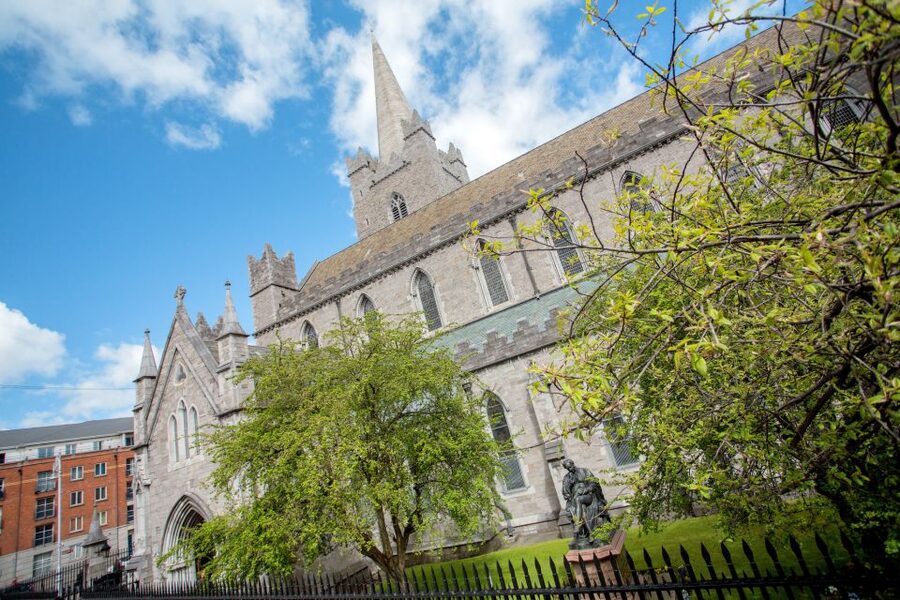
Here’s how I’d plan it so you don’t end up doing a frantic greatest-hits sprint.
If you have 1 day
Pick a single “must” block:
- Trinity College / Book of Kells as your iconic anchor
- Guinness Storehouse as your big Dublin finale
- Then choose one cathedral zone: Christ Church or St Patrick’s
If time allows, add Little Museum of Dublin since your ticket covers entry there, and use Stephen’s Green as the reset.
If you have 2 days
Day one can be your central classics:
- O’Connell Street area through galleries and museums
- Trinity
- Castle and cathedrals
Day two can be your “the city breathes” day:
- IMMA and Kilmainham Gaol
- Whiskey stops
- Phoenix Park and Dublin Zoo
This is also the sweet spot for repeating your route once you’ve figured out how fast you like to move. With hop-on hop-off freedom, you’re not locked into a strict order.
Should you choose the Docklands branch too?
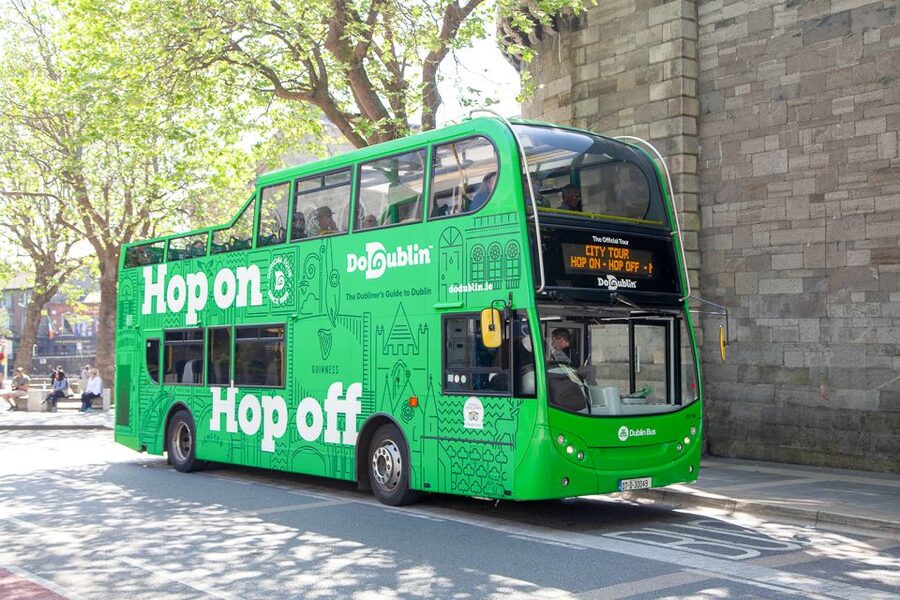
If you’re adding the Docklands Tour, treat it like a targeted extra rather than something to cram into your busiest day. Because it’s about 1 hour 45 minutes, it’s best when you want a second perspective without exhausting yourself.
The advantage of adding it is simple: you can cover a broader slice of Dublin with less guesswork on where to go next. The drawback is time competition—every extra tour you do is time you can’t spend in the places you care about most.
Who this tour suits best (and who should skip it)
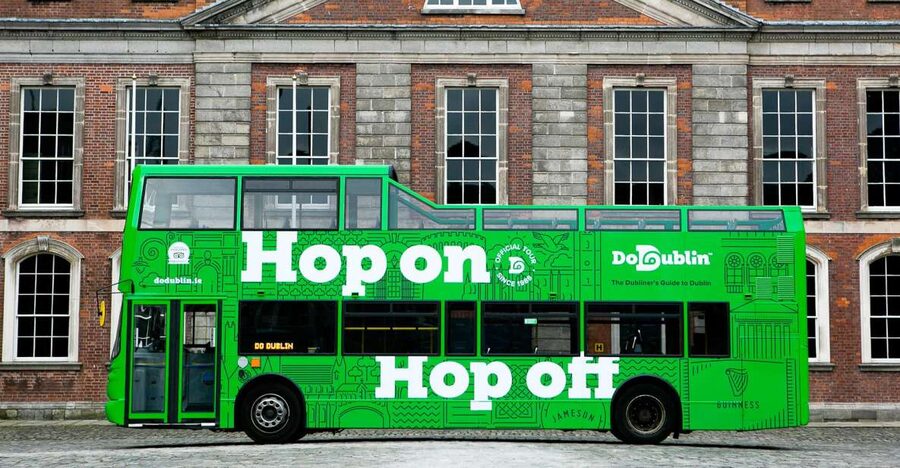
This hop-on hop-off tour fits you if:
- You’re seeing Dublin for the first time and want an easy way to decide where to spend real time
- You like having live guidance instead of reading signage on your own
- Your group benefits from audio options in multiple languages
- You want a family-friendly plan, since one child under 15 is free with a paying adult (and additional children have set extra costs)
You might skip it if:
- You hate guided narration and would rather wander without any structure
- You’re only interested in one or two very specific attractions and don’t need a loop system to connect them
- You’re highly sensitive to ride time during heavy traffic, since that can slow the bus pace
Final verdict: book it if you want Dublin to make sense
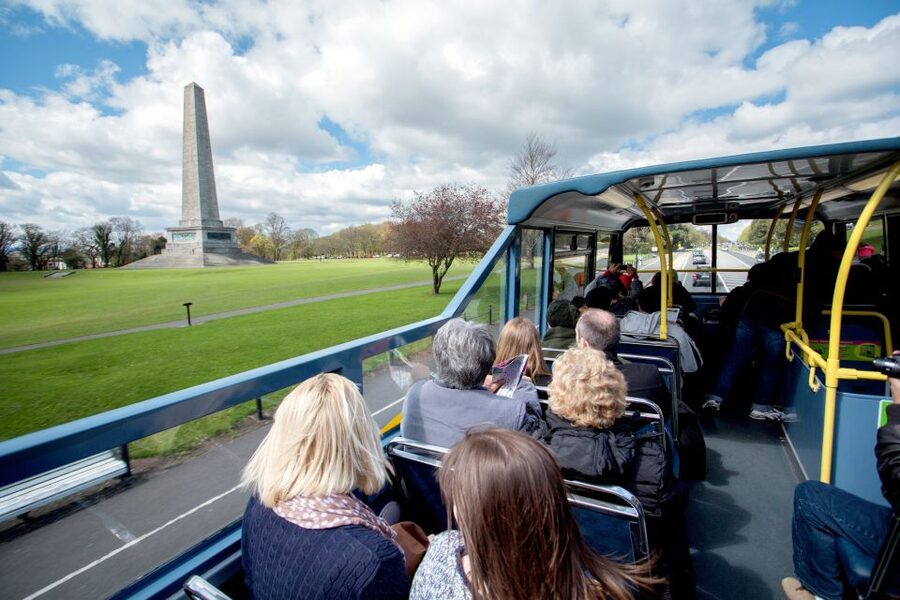
I’d book this tour if you want a practical, low-stress way to see Dublin’s big icons and still keep your days flexible. The biggest wins are the hop-on hop-off freedom, the live guide vibe (people consistently highlight humor and sing-alongs, including Irish song moments), and the included Little Museum of Dublin so you get a real culture stop without extra entry costs.
If your schedule is tight, this is also one of the fastest ways to sort your priorities before committing to paid attractions like Trinity’s Book of Kells and Guinness.
FAQ
FAQ
Is the ticket valid for 24 hours or 48 hours?
Yes. The ticket is offered as either a 24-hour or 48-hour option, and you can hop on and off during the validity window.
How much does the Dublin hop-on hop-off bus tour cost?
The price listed is $36 per person.
Where does the tour start?
The tour starts around O’Connell Street / DoDublin HQ, with options including Rotunda and Dublin Bus Head Office, 59 O’Connell Street Upper. The meeting point can vary by the option booked.
What time does the first bus depart and when does the last one leave?
The first tour departs from the main start area at 09:00, and the last tour departs at 18:00. For the Docklands branch, the first departure is around 09:05 and the last around 18:05.
How often do the buses run?
Buses run about every 30 minutes from 09:00 to 10:00, about every 20 minutes until 16:00, then about every 30 minutes until 18:00.
What’s included with the ticket besides the bus ride?
You get the 24- or 48-hour hop-on hop-off tour, plus complimentary entry to the Little Museum of Dublin. A free child ticket is included for one child under 15 with a paying adult.
Do I need separate tickets for major attractions?
Entrance fees are listed as not included unless specified. You should plan on paying separately for places that require admission, such as Guinness Storehouse and Book of Kells.
What languages are available?
The live tour guide is in English, and the audio guide includes Spanish, Chinese, German, Italian, Russian, English, Portuguese, French, and Irish.
More Tours in Dublin




More Tour Reviews in Dublin



Around Dublin by Open-Top Bus





Fresh off the cobbles: the latest Dublin reviews
- Dublin Private Airport Transfer to Ireland
★ 4.5 · 3 reviews - Private Chauffeur Service From Dublin Airport to Killarney
★ 5.0 · 3 reviews - Ireland: 3-Day West Coast Explorer Tour
★ 5.0 · 3 reviews - From Dublin: 4-Day Southern and Western Coast Tour
★ 4.3 · 3 reviews - Dublin : Street Art Walking Tour
★ 5.0 · 3 reviews - Spring Tonic Foraging Tour
★ 5.0 · 3 reviews
Hop-On Hop-Off Bus Tours, compared.
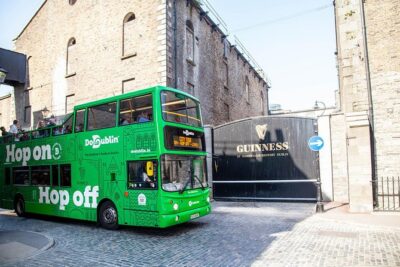 ★ 4.5Dublin Hop-On Hop-Off Bus Tour with Guide and Little Museum EntryFrom $383,327 reviews
 ★ 4.0City Sightseeing Dublin Hop-On Hop-Off Bus TourFrom $322,416 reviews
 ★ 4.5Big Bus Dublin Hop-on, Hop-off Sightseeing Tour with Live GuideFrom $412,387 reviews
 ★ 4.5Dublin Public Transport and Hop-On Hop-Off Sightseeing Bus TourFrom $59851 reviews
 ★ 4.4Big Bus Hop-On, Hop-Off Tour with Live GuideFrom $36845 reviews
 ★ 4.1City Sightseeing Hop-On Hop-Off Bus TourFrom $36597 reviews
 ★ 4.2Big Bus Panoramic Night Tour with Live GuideFrom $30309 reviews
 ★ 4.5Guinness Storehouse Ticket and Big Bus Dublin Hop-on Hop-off TourFrom $71298 reviews
Browse the lists this tour appears in