
Tara feels bigger when you walk it. This self-guided GPS-based audio tour takes you around the Hill of Heroes and the ancient Hill of Tara, with stories tied to High Kings of Ireland, Celtic spirituality, local folk traditions, and even a stop to see a Stone Age passage tomb. I like that the directions are designed to keep you moving at your pace, and I also like the offline access (audio, maps, and geodata) so you’re not stuck hunting for signal. The main drawback to plan for is practical: you’ll need to bring your own smartphone and headphones, and you should download the offline content before you arrive in case the app won’t start reliably without connectivity.
What makes this experience feel worth it is the pacing. Instead of following a group, you can pause when something clicks, replay a section when you want it, and spend extra time where the site draws your attention. The route is short on paper (about 1 hour to 1 hour 15 minutes), but it’s long enough to absorb the atmosphere without rushing.
You’ll start and end at an unnamed road in Co. Meath, Ireland, and the tour is listed as available essentially all day. Since you’re out at an archaeological site, expect outdoor conditions and possible access changes at certain gates, so don’t treat it like a museum corridor with guaranteed entry points.
In This Review
- Key things to know before you go
- Why the Hill of Tara stories work best on a self-guided walk
- Price and value: getting lifetime access for $9.99
- What you need to bring: smartphone, headphones, and a charged battery
- The short route that still feels complete: Hill of Heroes to Tara
- Stop 1: starting on the Hill of Heroes (and keeping your bearings)
- Stop 2: the ancient Hill of Tara, High Kings stories, and a passage tomb
- Stop 3: passing Saint Patrick’s Church without breaking the flow
- What I’d call the top wins: guidance that stays accurate and engaging
- The one snag to watch: audio start problems and connectivity habits
- Who this tour suits best (and who might want a live guide)
- Quick decision guide: should you book this $9.99 audio tour?
- FAQ
- How long is the Mystical Hill of Tara audio tour?
- Where do I start and finish?
- Is it a GPS-based tour?
- Does it work offline?
- What app do I use?
- What’s included in the price?
- Are museum tickets or transportation included?
- Is this a private tour?
- Is it refundable if my plans change?
Key things to know before you go
- GPS-based, step-by-step guidance helps you find the story beats without needing a live guide
- Offline audio plus offline maps and geodata are included, which makes the walk more dependable
- High Kings, Celtic spirituality, and folk traditions shape the narration so you hear the site as a living story
- A Stone Age passage tomb is built into the route, not just mentioned in passing
- Saint Patrick’s Church appears along the route so the timeline layering feels natural
- The audio can flag practical issues like gate closures, so you’re not left guessing
The ancient Boyne Valley, a few more ways in
- Celtic Boyne Valley & Ancient Sites Day Tour From Dublin★ 4.5 · 865 reviews
- Dublin: Boyne Valley with Newgrange and Bru Na Boinne Entry★ 4.7 · 635 reviews
- From Dublin: Celtic Boyne Valley and Ancient Sites Tour★ 4.5 · 618 reviews
- Dublin to Newgrange, Monasterboice Small Group Guided Tours★ 4.5 · 500 reviews
Why the Hill of Tara stories work best on a self-guided walk
The Hill of Tara is the kind of place where your brain wants to slow down. Even if you’re not an expert, the setting invites questions: why here, what happened, and how do people remember it now. A self-guided audio tour fits that mood because it gives you narrative right where you stand, then hands the pacing back to you.
With a GPS-based approach, you’re not constantly checking signage or flipping between maps. Instead, the narration can move you through the site in a way that feels like a guided stroll, only you decide when to linger. That’s especially helpful at Tara, where the landscape around the path can make it easy to lose your place if you’re sightseeing “freestyle.”
I also like that the tour’s focus isn’t just dates and definitions. The stories lean into High Kings of Ireland, Celtic spirituality, and local folk traditions, which turns the walk into something closer to a conversation with the site. If you enjoy being guided through meaning, not just locations, this format is a good match.
Price and value: getting lifetime access for $9.99
At $9.99 per person, this is priced like a practical add-on rather than a big “tour package.” The value comes from two things you actually use: lifetime access and offline availability.
Lifetime access matters because it turns a one-time walk into something you can revisit. Maybe you’ll want to re-listen after you’ve read a bit more, or you’ll be back in Ireland later and want to re-check the story beats without paying again.
Offline access is what makes that value real. When you’re outdoors and moving, getting stuck with a dead screen or a loading audio track is the fastest way to ruin momentum. Here, the tour includes offline audio, maps, and geodata, and that’s exactly what you want for a short, self-paced visit where you’d rather not “fight your phone.”
One more value point: the tour is designed to help you maximize your time at this Irish archaeological site. You’re not spending hours commuting or searching for the “right” viewpoint; the audio route is built to keep your visit efficient without turning it into a checklist.
What you need to bring: smartphone, headphones, and a charged battery
The tour is app-based, and the equipment list is straightforward. Smartphone and headphones are not included, so plan on bringing your own and treating this like a normal day of headphone listening.
You’ll use the VoiceMap app on Android or iOS. Since the tour includes offline audio, maps, and geodata, you’ll want to make sure the app is set up to access those files before you start walking. Practically, I’d recommend doing your download while you still have a connection, then switching to airplane mode if you want to be extra sure.
Also plan for batteries. A GPS-based walking tour can use power, and a one-hour experience is exactly long enough for a near-dead phone to become a problem. If your phone is the type that drops quickly, bring a portable charger.
Language-wise, the tour is in English, and you’ll get lifetime access to that English version. That’s an easy win if English is your comfort zone and you don’t want to rely on on-site interpretation.
The short route that still feels complete: Hill of Heroes to Tara
You should expect a walk that’s built around a clear arc. You begin where the tour is described as taking place on the Hill of Heroes, then you move into the ancient Hill of Tara, and you pass by Saint Patrick’s Church along the way.
The total time is about 1 hour to 1 hour 15 minutes. That range gives you room to slow down, pause for photos, and replay a segment without turning the day into a long project.
Because it’s self-guided, there’s no pressure to sprint from stop to stop. The narration is designed to match the walking route, which means you can follow the story and still make small detours if something catches your eye—without losing the thread of where you’re supposed to be next.
More guided Dublin outings with a local





Stop 1: starting on the Hill of Heroes (and keeping your bearings)
The tour begins on the Hill of Heroes, and that first section matters more than it sounds. Think of it like your on-ramp: it sets context and helps you start the walk with confidence rather than confusion.
A practical tip from the way the audio is designed: pay attention to any guidance about access. On an outdoor site, paths and gates can be impacted by conditions, and the narration may include notes that prevent you from walking up to a locked point with no idea what to do next. That kind of warning is a relief when you’re relying on GPS and timing.
If you want the experience to feel smooth, start by getting your phone set before you commit. Open the app, confirm the correct tour is loaded, and only then step into the route. When the start is clean, the rest of the walk feels like a guided meander instead of a tech troubleshooting session.
Stop 2: the ancient Hill of Tara, High Kings stories, and a passage tomb
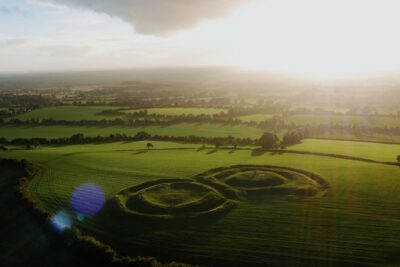
This is the heart of the experience: the ancient Hill of Tara. The audio brings in the big themes you’re looking for—High Kings of Ireland, Celtic spirituality, and local folk traditions—so your walk becomes more than wandering among ruins.
One standout element is that the route includes a Stone Age passage tomb you’ll see during the tour. Even if you’re not sure what you’re looking at, the narration is there to give you a framework, so the site has meaning instead of just shapes in the distance.
For best results, don’t treat this section like a photo stop. Give yourself a slow moment with the audio running, then step a few paces and let the next narration beat catch up to what you’re actually seeing. That rhythm makes the storytelling land.
Also, lean into the atmosphere. The tour includes lots of folk-tradition energy—yes, including the playful side of what some people call fairy lore. Whether you take it as history, metaphor, or just fun, it changes the tone of the walk. It’s one reason this can feel memorable even if you only spend about an hour here.
Stop 3: passing Saint Patrick’s Church without breaking the flow
After you’ve absorbed the Tara section, you’ll pass by Saint Patrick’s Church as part of the route. This is the kind of stop that’s easy to miss if you’re rushing, which is why it’s nice that the audio includes it as a waypoint rather than leaving it to your guesswork.
The value of this pass-by is less about making it a long detour and more about helping the “layers” feel connected. As you move through the route, your attention shifts from older stories to a later Christian landmark, and the tour helps you keep the walk coherent instead of jumping timelines in your head.
If you stop for a photo, do it quickly and then get back to the audio. The best use of this part is to listen while you transition, because it keeps you in the same narrative mindset from start to finish.
What I’d call the top wins: guidance that stays accurate and engaging
The highest-rated part of this experience is the combination of easy to follow directions and audio that’s engaging. When GPS routing works smoothly, you feel like someone is walking beside you, but you still control when you slow down.
I’d also give strong credit to how the tour balances story and location. It doesn’t just list themes. You’re nudged to notice what the themes are pointing at while you’re moving through the site.
Another win: the tour’s practical awareness. Notes about access and gates can save your day if conditions aren’t perfect. That small detail is the difference between a tour that feels supportive and one that turns into guesswork.
Finally, the setting itself does a lot of the work. People tend to notice big, open views, and the narration’s tone helps you treat those views as part of the story rather than background scenery. If you like a walk where the world feels slightly magical, the fairy-leaning folklore in the audio makes that tone stick.
The one snag to watch: audio start problems and connectivity habits
This kind of audio tour lives or dies at the start. If the tour fails to load, you lose the whole flow, and with a short route, that’s extra frustrating.
The fix is simple: plan for offline use. The tour includes offline access to audio, maps, and geodata, so you shouldn’t need to depend on Wi‑Fi during the walk itself. But you may still need connectivity at the beginning to get everything downloaded properly.
If you’ve ever had an app refuse to start until a connection is available, you already know what I mean here. Don’t wait until you’re standing at the meeting point to test the setup. Do a quick check before you set off: confirm the tour is available in the app and the audio is ready.
Also, accept that gates and access can change. If you encounter a barrier, don’t panic. The audio may include guidance for closed gates, so keep listening and follow its instructions rather than forcing your route.
Who this tour suits best (and who might want a live guide)
This tour fits best if you like history with your own pace. You’ll probably enjoy it if you’re the type who wants to wander, pause, and let stories catch up to the place you’re standing. The audio format also suits people who want to maximize time at a site without adding extra logistics.
It also makes sense if you’re okay using an app. If you’re comfortable with GPS and headphones, you’ll get the most out of the self-guided walking approach.
If you want heavy interaction—asking questions, getting instant clarifications, or negotiating accessibility issues with a human guide—then a live tour might feel better. The data here doesn’t describe staff support, so you should expect to be fully self-directed.
Quick decision guide: should you book this $9.99 audio tour?
Book it if you want a short, manageable walk through Hill of Heroes and the ancient Hill of Tara, with stories that mix High Kings, Celtic spirituality, and folk tradition—plus a real stop at a Stone Age passage tomb. The offline audio and maps are a strong selling point for an outdoor site.
Skip it (or switch to a different format) if you know you hate app-based tours or if your phone setup is unpredictable. In that case, the biggest risk isn’t the content—it’s whether your device and downloads cooperate on the day.
If you do book, make your day easy: charge your phone, bring headphones, download the offline content before you arrive, and give yourself a slow first few minutes at the Hill of Heroes so the GPS rhythm clicks.
FAQ
How long is the Mystical Hill of Tara audio tour?
The tour is approximately 1 hour to 1 hour 15 minutes.
Where do I start and finish?
It starts and ends at an unnamed road in Co. Meath, Ireland.
Is it a GPS-based tour?
Yes. It’s a GPS-based self-guided walking tour.
Does it work offline?
Yes. You get offline access to the audio, maps, and geodata.
What app do I use?
You’ll use the VoiceMap app on Android or iOS.
What’s included in the price?
Included are lifetime access to the tour in English, offline access to audio/maps/geodata, and the VoiceMap app for Android and iOS. You’ll need your own smartphone and headphones, and food and drink are not included.
Are museum tickets or transportation included?
No. Tickets or entrance fees to museums or other attractions en route are not included, and transportation is not included.
Is this a private tour?
Yes. Only your group will participate.
Is it refundable if my plans change?
No. This experience is non-refundable and cannot be changed for any reason.
More Tours in Dublin






More Tour Reviews in Dublin



Into the Boyne Valley




Fresh off the cobbles: the latest Dublin reviews
- Dublin Private Airport Transfer to Ireland
★ 4.5 · 3 reviews - Private Chauffeur Service From Dublin Airport to Killarney
★ 5.0 · 3 reviews - Ireland: 3-Day West Coast Explorer Tour
★ 5.0 · 3 reviews - From Dublin: 4-Day Southern and Western Coast Tour
★ 4.3 · 3 reviews - Dublin : Street Art Walking Tour
★ 5.0 · 3 reviews - Spring Tonic Foraging Tour
★ 5.0 · 3 reviews
Boyne Valley & Newgrange, compared.
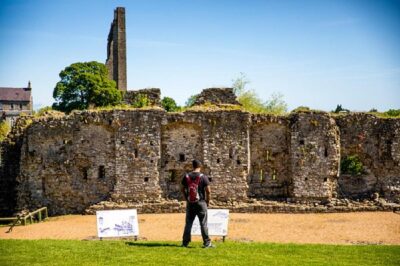 ★ 4.5Celtic Boyne Valley & Ancient Sites Day Tour From DublinFrom $84865 reviews
 ★ 4.7Boyne Valley with Newgrange and Bru Na Boinne EntryFrom $96635 reviews
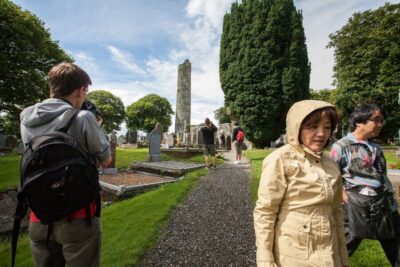 ★ 4.5From Dublin: Celtic Boyne Valley and Ancient Sites TourFrom $74618 reviews
 ★ 4.5Dublin to Newgrange, Monasterboice Small Group Guided ToursFrom $102500 reviews
 ★ 5.06 hour Half-Day Award Winning Private Tour of the Boyne ValleyFrom $67575 reviews
 ★ 4.1From Dublin: Belfast, Monasterboice & Birthplace of Titanic52 reviews
 ★ 5.0Full-Day Irelands Ancient Boyne Valley Private Guided TourFrom $89836 reviews
 ★ 5.0Private Tour of Newgrange and The Hill of TaraFrom $78034 reviews
Browse the lists this tour appears in