
Reviewed · HISTORICAL TOURS
Dublin: Jeanie Johnston Tall Ship Irish Famine History Tour
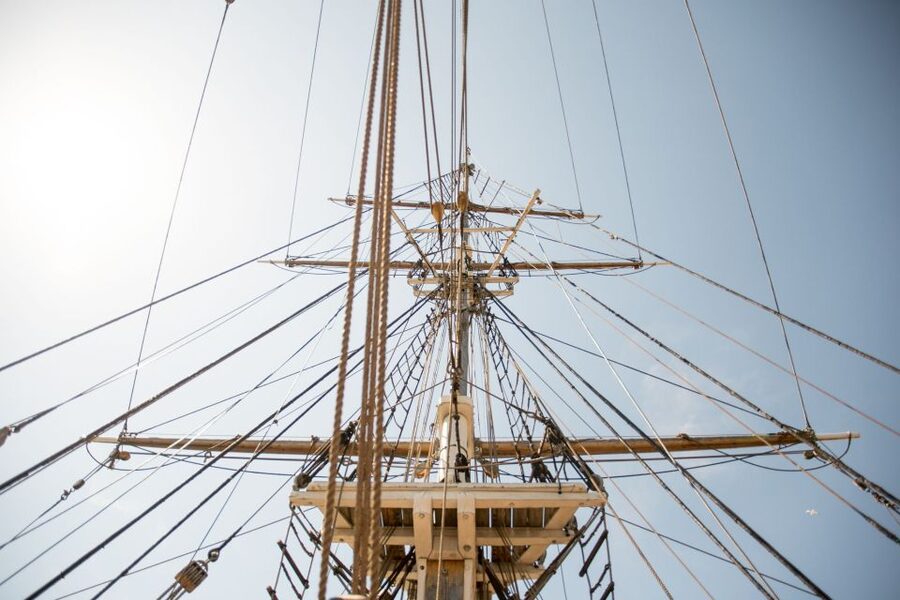
Dublin’s docks have another side. I love the tall-ship atmosphere—you’re actually aboard the Jeanie Johnston, looking up at the masts and rigging—and I love the human stories the guides bring to Irish Famine emigration, with guides like Steve, Claire, and Josh turning facts into something you can picture. It’s one of those experiences where maritime wonder and a heavy history lesson arrive together, right in the same 50 minutes.
One heads-up: the tour includes below-deck access in tight, cramped spaces, so it is not recommended for people with limited mobility or for wheelchair users.
In This Review
- Key highlights worth marking on your plan
- First step: Why this tall ship tour hits harder than a museum visit
- Upper deck: Masts, craftsmanship, and Docklands views from the “shore side”
- Below deck: The cramped quarters that make “famine conditions” real
- The Irish Famine emigration story, told through ship life
- How the guides turn 50 minutes into a full story
- Docklands photo stops and timing that fits Dublin days
- Price and value: What you’re really paying for at $16
- Who should book this Jeanie Johnston tour (and who should skip it)
- Quick FAQ before you go
- FAQ
- How long is the Jeanie Johnston Irish Famine History Tour?
- Where does the tour start?
- Where does the tour end?
- What is the price per person?
- Is the tour guided, and what language is it in?
- What parts of the ship will I see?
- How crowded were the passenger quarters?
- What should I bring?
- Is the tour suitable for wheelchair users?
- Is there free cancellation, and can I pay later?
- Should you book this Dublin tall ship experience?
Key highlights worth marking on your plan
- A real tall ship setting in Dublin Docklands for photos, sea-air vibes, and 19th-century shipping context
- Upper-deck walk that explains the ship’s build and why her work shifted from timber transport to people
- Below-deck realism: up to 250 passengers, with only about half an hour of fresh air each day
- Stories about crossing logistics including how emigrants paid for their passage
- A guided narrative that connects conditions to outcomes—disease, starvation, and the risks of the voyage
- Quick timing that fits a tight itinerary: a guided tour lasting about 50 minutes
More of Dublin's history on foot
- Dublin Historical Centre Food Tour with 8 Food Tastings & Drinks★ 5.0 · 1,718 reviews
- 2-Hour Historical Walking Tour from Dublin★ 5.0 · 875 reviews
- Historical 2-Hour Guided Walking Tour of Dublin★ 4.7 · 865 reviews
- Dublin to Cork, Blarney Castle & Cóbh Heritage Centre by train★ 4.5 · 510 reviews
First step: Why this tall ship tour hits harder than a museum visit
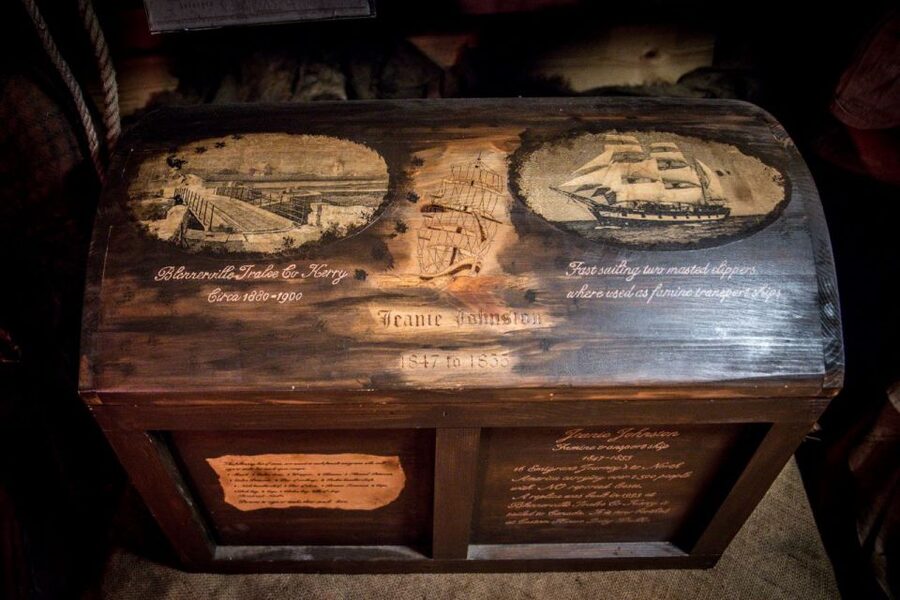
If you’ve ever walked through a museum and felt your brain switch into read-mode, this is different. The Jeanie Johnston tour doesn’t just explain the Irish Famine. It puts you where the emigrants lived and worked, so you’re not picturing hardship in the abstract. You’re surrounded by ship details that make the story physical: the height of the rigging, the closed-in lower spaces, and the “this is how you had to live” feeling.
And the guides matter a lot. The best sessions I saw had that mix of clarity and emotion—guides like Steve, Claire, Josh, and Owen were praised for answering questions and telling the story in a way that stayed understandable even when the topic got grim. Even families with kids found it held attention, which tells you something: the tour is paced like a conversation, not a lecture.
The value also helps. At about $16 per person for roughly 50 minutes, you’re paying for guided access plus a genuine hands-on ship experience. You’re not just buying a ticket to stand behind glass.
Upper deck: Masts, craftsmanship, and Docklands views from the “shore side”
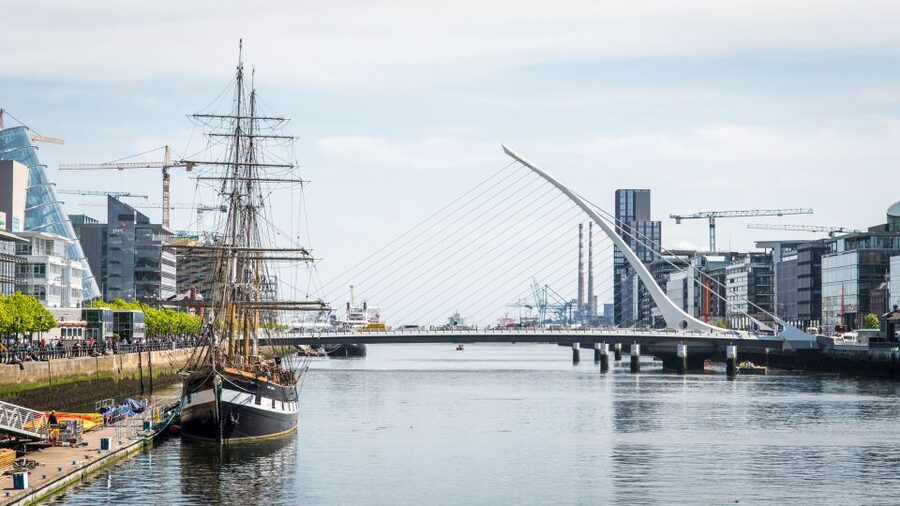
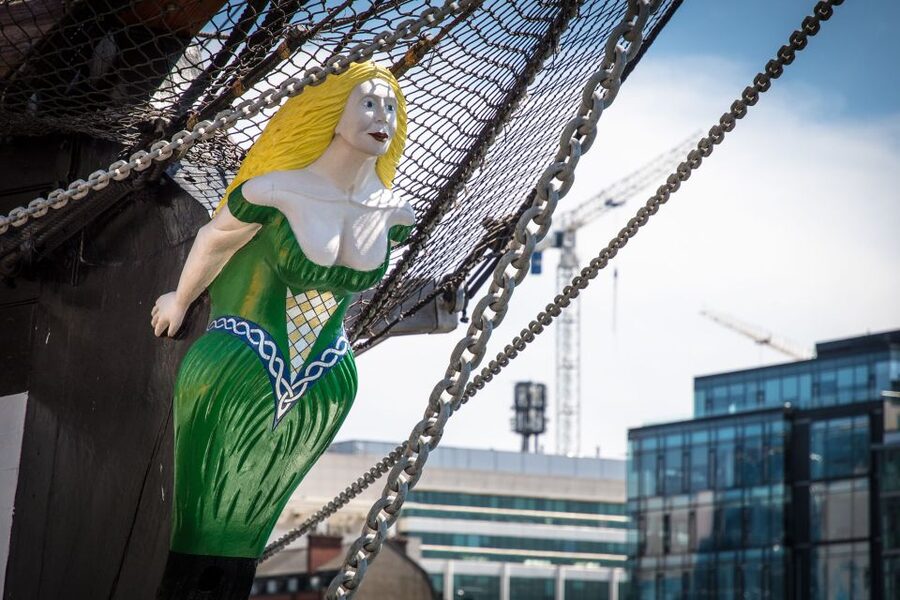
Your tour starts on the upper deck at the Jeanie Johnston Tallship at City Moorings, Custom House Quay, Dublin 1. This is where the ship first earns its wow factor. You’ll walk around the deck and look up at the majestic masts and the rigging, with the guide pointing out craftsmanship and explaining the ship’s background.
One neat element here is the career shift: you’ll learn why this kind of ship changed roles—from transporting timber to transporting people. That detail gives you immediate context. It’s not just a famine story floating in the air. It’s a shipping story: vessels were built for certain trades, then redirected as needs changed, and people were affected by those economic shifts.
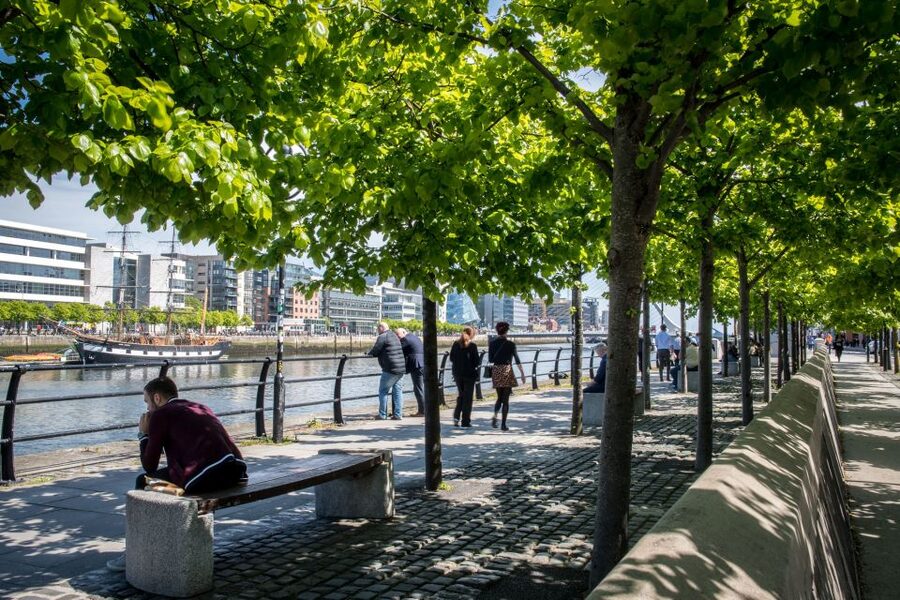
Then you get the Docklands perspective. Being up high, you can take in the sounds and sights around the North Dock area from a different angle. If the weather behaves, you feel the wind, you get that salt-sea air, and you hear gulls calling overhead. It’s a surprisingly memorable way to connect the present-day harbor to the moment when thousands of families looked toward the ocean and hoped for something better.
This section is also where you’ll likely grab a photo. The ship is one of Dublin’s most photographed attractions in this part of the city, and the guide will point you toward the angles that make it look especially good in pictures.
Practical tip: wear comfortable shoes. The upper deck involves walking and standing, and you’ll want stability so you can focus on the ship views and the story.
Below deck: The cramped quarters that make “famine conditions” real
Once you go below, the tone changes fast. The guide takes you into the living quarters where up to 250 passengers spent most of their time. The design is intentionally cramped, and the tour explains how that space worked day to day: passengers were largely closed in, with only about half an hour of fresh air each day.
That “small-air” detail is key. It turns the voyage from a vague idea into something you can grasp. People didn’t just suffer because the journey was long. They suffered because their daily reality was restricted breathing, poor conditions, and very limited control.
In this section, the tour also becomes more story-driven. You’ll hear remarkable stories of passengers and crew, including how emigrants paid for the crossing and what they ate during the voyage. You’ll also hear about the risks they faced—disease, starvation, and disaster—and how grim conditions affected people’s health and hope.
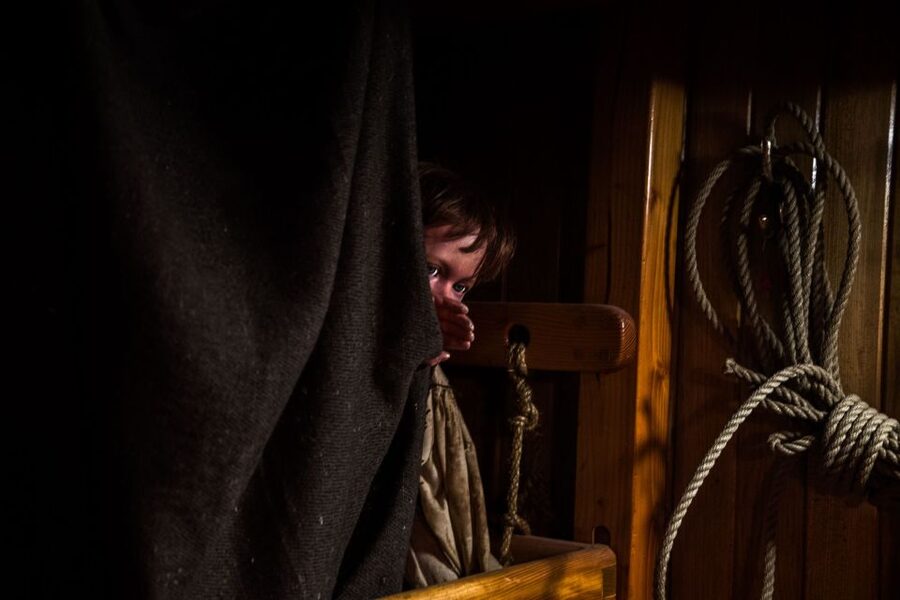
A few guides use staged figures and interpretive displays on the ship to make the onboard life easier to visualize. One family specifically talked about a child being a bit worried about mannequins, and the guide handled it well. So if you’re traveling with kids, don’t assume they’ll be bored; the best guides tailor attention and keep the mood appropriate.
One of the strongest “remember this” parts is the emotional logic of the trip. You learn how people tried to pass time, and you hear about what fates awaited them at their destination. That closing frame matters: it’s not only about suffering in the ocean. It’s about the decision to leave and what life became afterward.
The Irish Famine emigration story, told through ship life
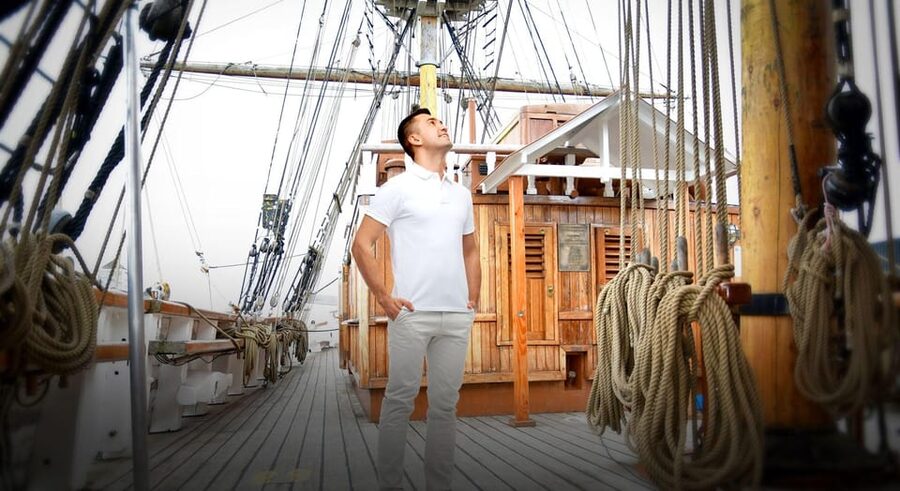
This tour makes the famine story specific by focusing on the people who boarded. You’ll learn that one million Irish people fled during the famine years, and that 2,500 of them took a grueling voyage on the Jeanie Johnston.
That number helps you understand scale without losing accuracy. The tour doesn’t let the topic blur into an overall tragedy. It keeps returning to individuals and the practical realities of passage: payment, food, crowding, disease risks, and the daily routine that wore people down.
Here’s what I think makes this part genuinely useful for you as a visitor: it connects major historical events to human behavior. Families weren’t simply victims of hunger. They were also making decisions about routes, cost, timing, and survival odds. When you hear about how emigrants paid for their crossing and what they ate, you get the sense that this was both desperate and organized.
The guide-led pacing also helps. Upper deck gives you space and big visuals. Below deck compresses your body and attention in the same way the emigrants were compressed in their daily life. That structure makes the “why this mattered” feel earned instead of delivered.
Some guides also include a striking onboard detail—one session highlighted that the Jeanie Johnston made 16 voyages to America without recorded deaths, which is a memorable contrast to the grim risks described for the broader famine-emigration era. Whether you take that as a sign of luck, skill, or conditions unique to the ship, it gives your brain something concrete to hold onto.


How the guides turn 50 minutes into a full story
With only about 50 minutes, you need a tour that doesn’t meander. This one generally works because it follows a logical movement: upper deck for ship context, below deck for lived experience, then the story ties off with what happened next.
It also helps that many guides were praised for being strong storytellers and for keeping answers clear. Names that showed up repeatedly in strong experiences include Steve, Claire, Josh, Owen, Gearoid, Rolland, Ronan, Eoin, Katrina, and Catriona. You can’t control which guide you get, of course, but the consistency in the guide quality is a big reason the tour rating stays high.
A small but smart technique you may see: some guides start with a light, personal question—like asking where people are visiting from—to help the story land emotionally. That kind of engagement doesn’t change the facts; it changes how quickly you connect to them.
If you want to get the most out of the tour, come with one question you care about. For example: how emigrants paid for passage, what the ship’s day-to-day schedule looked like, or what risks were most common. Guides tend to answer questions in a way that fits the tone of the story, not like a Q&A time slot.
Docklands photo stops and timing that fits Dublin days
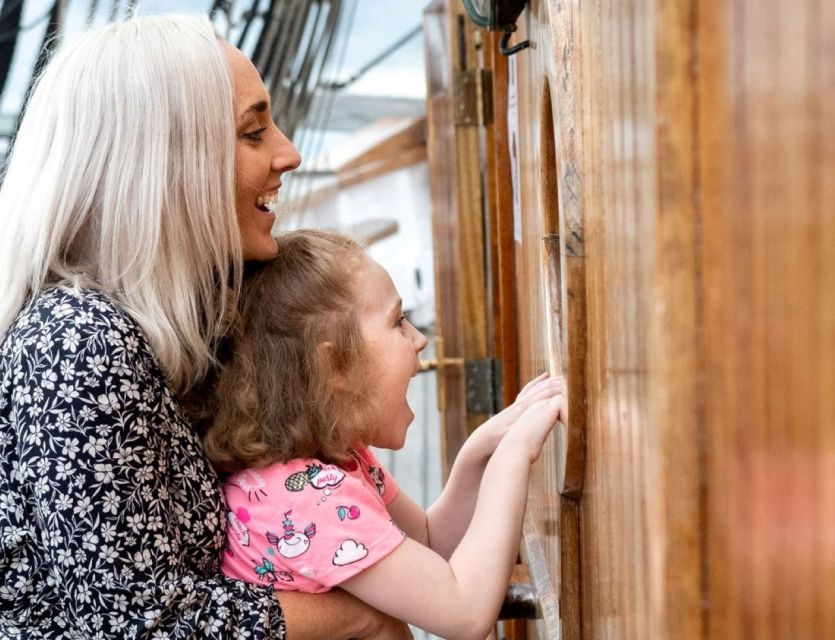
The location is one reason this makes sense in a real travel schedule. You’re in central Dublin’s Docklands area, and the tour is long enough to be meaningful but short enough to not derail the rest of your day.
Expect a loop: you start on the ship at Custom House Quay and the tour ends back at the meeting point. That means you’re not stuck in a different part of town after the story ends.
If you’re the type who likes photos, aim to enjoy them without losing the narrative. The upper deck gives you a natural “pause and shoot” moment, and the wind and lighting often make it feel cinematic. Still, don’t treat the camera like your only job—this tour works best when you let the guide’s description guide your eyes.
Price and value: What you’re really paying for at $16
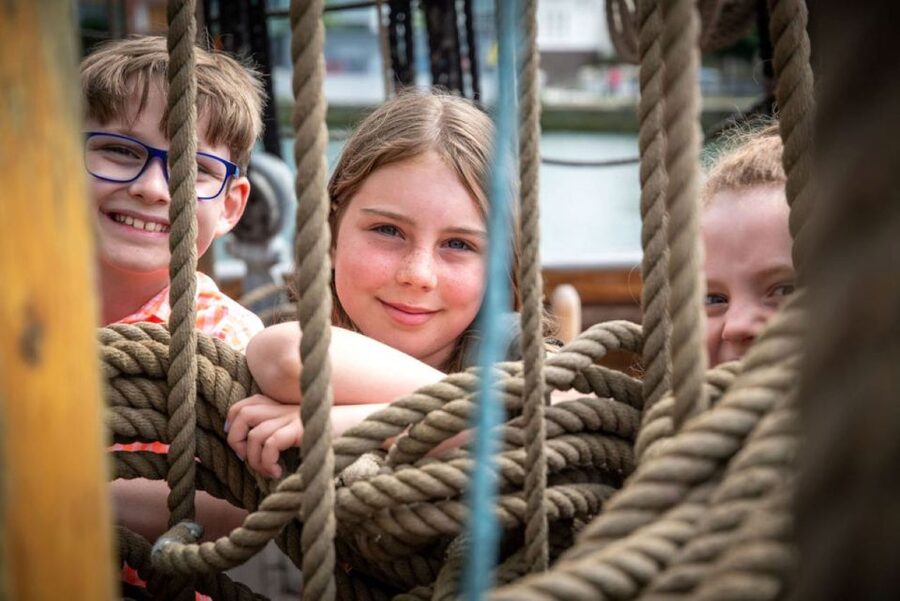
Let’s be blunt: $16 for 50 minutes is only a good deal if you feel you got access and insight, not just a quick look.
In this case, you get:
- Entrance/access to the guided tour as part of the price
- A guided route that includes both upper and below-deck areas
- Storytelling that covers more than dates and names—crossing payment, what people ate, risks, and what happened afterward
For solo travelers, that price is friendly, especially if you’re trying to cover multiple Dublin experiences without spending your whole budget. For couples, families, or history-minded visitors, it’s also a solid value because it’s short, guided, and emotionally memorable.
The main “cost” isn’t money. It’s time and comfort level. You are spending almost an hour in a ship space that is intentionally tight below deck. If you’re expecting wheelchair-friendly museum vibes, that mismatch will matter.
Who should book this Jeanie Johnston tour (and who should skip it)
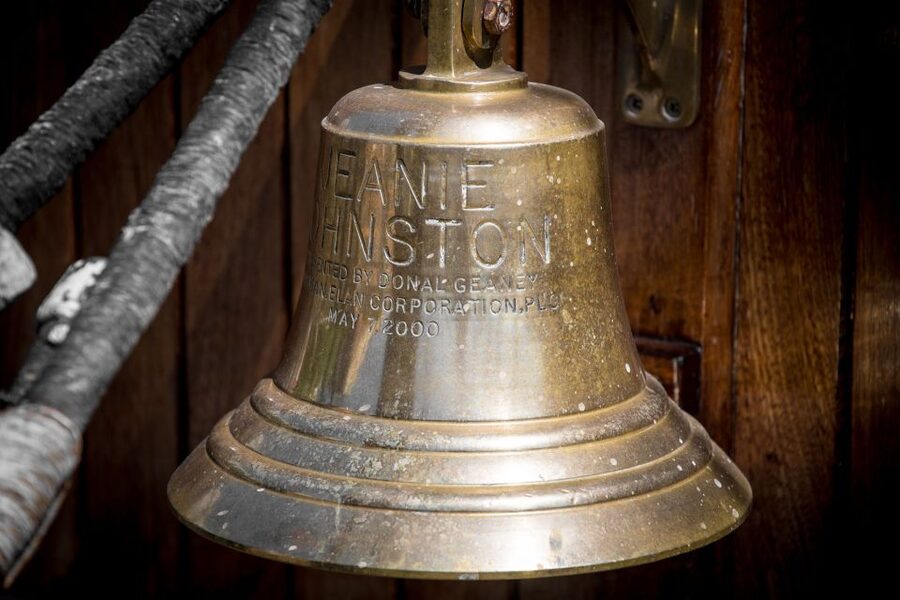
This tour is a good fit if you:
- Want an experience that’s hands-on rather than only reading panels
- Like maritime details—masts, rigging, and what ships were built to do
- Care about Irish history in a human-scale way
- Prefer shorter tours that still feel complete
It might not be for you if:
- You have mobility limits that make stairs, narrow spaces, or prolonged standing difficult
- You’re looking for a cheerful, light outing (this is about famine emigration and harsh conditions)
Families can do well here. Guides are often praised for connecting with kids while still treating the subject seriously. Just keep in mind the below-deck environment can feel emotionally intense because it’s designed to represent cramped conditions.
Quick FAQ before you go
FAQ
How long is the Jeanie Johnston Irish Famine History Tour?
The tour lasts about 50 minutes.
Where does the tour start?
It starts at Jeanie Johnston Tallship, City Moorings, Custom House Quay, Dublin 1.
Where does the tour end?
The tour ends back at the same meeting point.
What is the price per person?
The price is $16 per person.
Is the tour guided, and what language is it in?
Yes, it’s a guided tour in English.
What parts of the ship will I see?
You’ll visit both the upper deck and the below-deck living quarters.
How crowded were the passenger quarters?
The tour explains that up to 250 passengers spent most of their time in the cramped living quarters, with about half an hour of fresh air each day.
What should I bring?
Comfortable shoes.
Is the tour suitable for wheelchair users?
No. It is not suitable for wheelchair users and is not recommended for people with limited mobility.
Is there free cancellation, and can I pay later?
The tour offers free cancellation up to 24 hours in advance for a full refund, and you can reserve now & pay later.
Should you book this Dublin tall ship experience?
I think you should book it if you want a Dublin activity that mixes real ship craft with Irish history that feels personal. The upper deck gives you the wonder—masts, rigging, sea air, and Docklands views—and the below deck gives you the reality of cramped conditions and what emigrants faced.
Skip it only if mobility is a concern, because the tour is built around access to tight, lower spaces. If you’re comfortable walking on a ship and standing for a short tour, this is one of the better-value ways to spend an hour in Dublin with a story that stays with you.
More of Dublin's History




More Tours in Dublin



More Tour Reviews in Dublin

Fresh off the cobbles: the latest Dublin reviews
- Dublin Private Airport Transfer to Ireland
★ 4.5 · 3 reviews - Private Chauffeur Service From Dublin Airport to Killarney
★ 5.0 · 3 reviews - Ireland: 3-Day West Coast Explorer Tour
★ 5.0 · 3 reviews - From Dublin: 4-Day Southern and Western Coast Tour
★ 4.3 · 3 reviews - Dublin : Street Art Walking Tour
★ 5.0 · 3 reviews - Spring Tonic Foraging Tour
★ 5.0 · 3 reviews
Historical Tours, compared.
 ★ 5.0Dublin Historical Centre Food Tour with 8 Food Tastings & DrinksFrom $1251,718 reviews
 ★ 5.02-Hour Historical Walking Tour from DublinFrom $22875 reviews
 ★ 4.7Historical 2-Hour Guided Walking Tour of DublinFrom $22865 reviews
 ★ 4.5Dublin to Cork, Blarney Castle & Cóbh Heritage Centre by trainFrom $195510 reviews
Wicklow’s Historic Gaol Day TourFrom $14355 reviews
★ 4.5Dublin to Cork, Blarney Castle & Cóbh Heritage Centre by trainFrom $195510 reviews
Wicklow’s Historic Gaol Day TourFrom $14355 reviews
 ★ 4.3Dublin’s Haunted History Walking TourFrom $31345 reviews
 ★ 5.0Deliciously Dublin: The Artisan Donut Walking & History TourFrom $70329 reviews
 ★ 4.5Hidden Dublin: Haunted History Walking Tour v2.0 2026From $30188 reviews
Browse the lists this tour appears in