
Reviewed · HISTORICAL TOURS
Historical 2-Hour Guided Walking Tour of Dublin
A walk with stories that explain Dublin fast. This 2-hour guided loop covers the city’s big turning points, from medieval street corners to the politics that shaped modern Ireland, with guides like Jodie and Colm bringing it to life in plain English. I especially loved the way you connect famous stops like Dublin Castle to the events that caused Ireland’s major shifts in power and identity. One thing to consider: it’s a lot of dates and facts packed into a short walk, so pace can feel brisk if you like lingering.
What I like most is the guide quality. Several guides are history graduates from Trinity College Dublin and University College Dublin, and you can feel that training when Daragh keeps the story chronological without turning it into a lecture, even while answering questions on the spot. I also liked the humor, which shows up again and again in how Tommy and others retell the Irish past with wit rather than bravado.
The only real drawback is physical: you’ll be walking for about two hours, and you will want good shoes. If mobility is limited, the tour is wheelchair accessible, but it is still an on-foot city experience rather than a bus tour.
In This Review
- Key highlights I’d plan around
- Meeting at Trinity’s Grattan Statue and Getting Oriented
- Walking Dublin Castle’s Shadow Without Getting Stuck in the Details
- Temple Bar Isn’t Just for Music: It’s a History Stop
- Dublin City Hall and the Shift From Rule to Representation
- Medieval Streets and the Power of Walking at Human Scale
- The Timeline: Revolutions, Famine, Rebellion, Independence
- Modern Dublin and the Peace Process: Why It Still Matters
- Guide Style: Humor, Clarity, and Real Answers
- What You Get for $22: Value for a Short, High-Context Tour
- Practical Tips Before You Go
- Should You Book This Dublin History Walking Tour?
- FAQ
- How long is the Historical 2-Hour Guided Walking Tour of Dublin?
- How much does the tour cost?
- Where do I meet the guide?
- Which sites will we see?
- Is the tour in English?
- What’s included, and what’s not?
- Is the tour wheelchair accessible?
Key highlights I’d plan around
- Trinity and UCD history graduates guiding the route, with a strong education-to-storytelling balance
- Dublin Castle, Temple Bar, and Dublin City Hall on one central-city walk
- A chronological storyline that hits the American and French revolutions, the Potato Famine, the 1916 Rising, and the War of Independence
- Modern Ireland explained, including the Northern Ireland Peace Process and today’s Dublin street life
- Entertaining guides like Jodie, Colm, Daragh, Eoin, and Grace, praised for humor, clarity, and Q&A
More Dublin walks at an easy pace
- Dublin Highlights and Hidden Gems Guided Walking Tour★ 5.0 · 6,020 reviews
- Dublin: Highlights and Hidden Gems Walking Tour★ 4.9 · 2,140 reviews
- 1916 Rebellion Walking Tour★ 5.0 · 1,605 reviews
- 90 Minute Dublin Walking tour and Sightseeing tips★ 5.0 · 916 reviews
Meeting at Trinity’s Grattan Statue and Getting Oriented
You start at the Henry Grattan Statue, right opposite the front gate of Trinity College Dublin. Your guide will wear a badge with Authenticity Tours, so you can spot them quickly without playing guessing games in the street.
This is a good start point for two reasons. First, Trinity is a real landmark you’ll likely pass later in your trip, so the tour gives you a memorable reference point. Second, the guide can set the tone immediately, framing Dublin not as a single story, but as a series of power struggles, rebellions, reforms, and outside influences.
From the beginning, you should be ready to listen closely. Multiple guides in the experience are praised for keeping the talk audible even in the loud, busy center of Dublin. If you want the most out of it, don’t try to multitask with your phone during the tight stretches between stops.
Walking Dublin Castle’s Shadow Without Getting Stuck in the Details
One of the main anchors of the tour is Dublin Castle. Even if you only take quick looks from outside, you’ll get the political meaning behind the architecture and the street setting.
Here’s the practical part: the tour includes entrance fees as per the itinerary, but it does not include entry into the State Apartments in Dublin Castle. That matters because the State Apartments are usually the big-ticket interior draw for people who want the richest room-level history and decor. If your must-see list includes those apartments, you can still do this tour for the context, then add the interior visit separately.
What I like about including Dublin Castle in a two-hour walk is the way it becomes more than a photo stop. Your guide connects it to the long push-and-pull of control in Ireland, tying it to later events you’ll hear about as the tour moves forward in time. It’s a fast way to understand why Dublin’s center keeps showing up in Ireland’s turning points.
If you’re a history fan, you’ll probably appreciate how the stories don’t stay stuck in the distant past. The Castle becomes a link between medieval power and modern politics, rather than a single chapter you forget after the picture.
Temple Bar Isn’t Just for Music: It’s a History Stop
Temple Bar is one of those places everyone knows, but it’s easy to treat it like a nightlife label instead of a historical setting. This tour helps correct that.
You’ll walk through the Temple Bar area and hear why the neighborhood matters in Dublin’s bigger story. That’s valuable because Temple Bar is often visited casually after dinner, with limited context. Here, you get the why before the drinks.
Even in a short tour, it helps to understand how neighborhoods shift with politics, wealth, and changing social roles. Your guide frames Temple Bar within Dublin’s development so it feels less like a tourist set and more like a living part of the city’s timeline.
If you love a strong sense of place, this is one of the best uses of a short guided walk. You can leave with landmarks you actually understand, not just landmarks you walked past.
Dublin City Hall and the Shift From Rule to Representation
City Hall is another key stop, and it works well as a contrast point after you’ve heard about more direct forms of control earlier in the story. When your guide brings in Dublin City Hall, you’re essentially seeing a different angle of how governance shapes everyday life.
In a two-hour tour, the real value is context. The talk doesn’t stop at “what happened.” It connects events to how Dubliners lived and organized themselves over time. That’s where City Hall fits: it’s a visible piece of the city’s civic identity.
This section also supports the tour’s bigger promise: history that moves forward. You’re not just hearing about famous uprisings; you’re seeing how the aftermath echoes into how institutions operate. If you’re the type who likes your history tied to real buildings, this stop is worth paying attention to, even if you’ve seen a quick exterior shot on your own.
More guided Dublin outings with a local


Medieval Streets and the Power of Walking at Human Scale
The tour includes time in the Medieval City, and I think that’s the most underrated piece for a first-timer. Medieval streets make history feel physical. You’re not just hearing names and dates; you’re seeing the kind of urban form where those events would have played out.
This is also where the “easy walk with lots of stops” description makes sense. You’re moving, stopping, listening, then moving again. That rhythm works well in two hours because you get repeated micro-moments of attention rather than one long lecture.
One review-style detail you can plan around: the experience involves a solid amount of walking across central Dublin. So even though it’s not described as a hike, bring shoes you trust for uneven pavement and repeated stop-start pacing.
If you like hidden-history moments, pay attention when guides point out small clues tied to the city’s layered past. Several guides are praised for adding these kinds of details, including references to things you might notice only if someone points them out.
The Timeline: Revolutions, Famine, Rebellion, Independence
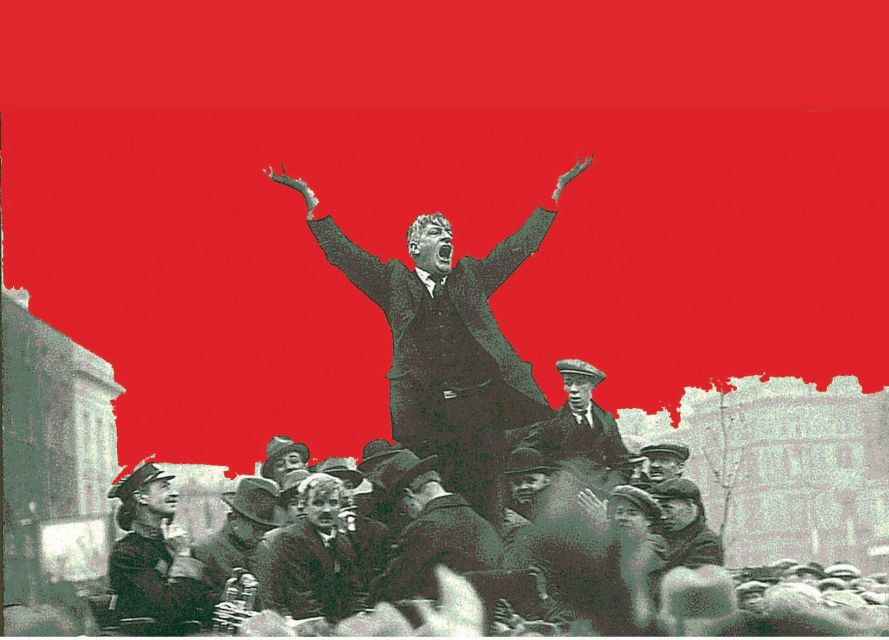
The tour’s storyline is built around Ireland’s major turning points, and it’s structured to help you keep the chronology straight. You’ll hear about the influence of the American and French revolutions, then the shock of the Potato Famine, and later the 1916 Rising.
From there, you move into the War of Independence. This sequence is useful because it shows how ideas, desperation, and political organization can feed into one another over time. In a short walk, that framing helps you stop treating Irish history as isolated events.
A nice bonus is how the guide’s personality affects the pacing. If your guide is Daragh, Eoin, or Colm, you’ll likely notice how they keep stories moving while still making room for questions. That’s important because the hardest part about Ireland’s modern history can be asking the exact thing you’re confused about.
If you’re more of a general-interest traveler than a textbook reader, this timeline approach is a practical entry point. You won’t leave with every detail, but you should leave with a map of how the events connect.
Modern Dublin and the Peace Process: Why It Still Matters
One reason I think this tour is worth doing now, not later, is the way it reaches into modern history. You’ll cover the Northern Ireland Peace Process and the effects it had, then finish with a walk through modern-day Dublin.
This matters because Dublin’s streets are full of visible history, but modern Dublin is also shaped by outcomes from the 20th century. Without that final link, it’s easy to treat older events as museum content. With it, you understand why people still talk about politics, identity, and community in the way they do.
The modern portion of the walk also helps you connect what you saw earlier. Dublin Castle and civic buildings stop feeling like random architectural stops. Instead, they become part of a longer cause-and-effect chain that shapes today.
If you’re visiting for a short trip, this “then and now” structure is a strong use of time. Two hours is not enough to master Irish history, but it’s enough to stop feeling lost.
Guide Style: Humor, Clarity, and Real Answers
A lot of walking tours are held hostage by a generic script. This one tends to work because the guides show personality and control.
You’ll hear praise for humor and storytelling in the way guides connect facts without sounding like they’re reading from notes. Guides like Jodie, Colm, Daragh, Tommy, and Eoin are repeatedly credited for being engaging, answering questions, and keeping the information organized.
One standout pattern in those comments: the guides are good at making the tour feel like a conversation. That doesn’t mean they skip structure. It means they can explain a concept, then adjust when someone asks a follow-up.
If you care about learning but hate dry lectures, this is the right format. You’ll still get dates and details, but the delivery aims for clarity first, entertainment second, and memorability third.
What You Get for $22: Value for a Short, High-Context Tour
At $22 per person for about two hours, this tour sits in the “solid value” category for Dublin. You’re paying for three things at once: a trained guide, access to some entrance fees depending on the itinerary, and a storyline that ties central landmarks together.
Is it a bargain compared to a self-guided walk? Probably not. But self-guided tours don’t solve the hardest part of Irish history: figuring out how the events connect. This experience gives you that connective tissue in a short amount of time.
Also, entrance fees are included as per the itinerary. That can offset a lot of the cost if your route includes paid stops. The one clear exception is the State Apartments in Dublin Castle, which are not included. So treat $22 as value for context and selected entry, not as a ticket to every interior room.
If you only have a couple of hours before dinner plans, this is an efficient use of time. You get the city highlights and a framework for understanding what you’ll read and see later.
Practical Tips Before You Go
This is a walking tour of central Dublin, so plan for city sidewalks and stop-start movement. Bring shoes you can trust for two hours, especially if you’re traveling in seasons with slick pavement.
Come with a light question mindset. You’ll get the best results by listening first, then asking follow-ups when the guide turns points in the timeline into real explanations. The guides are praised for handling questions with ease and grace.
Also, be ready for a lot of information. Several guides add strong amounts of facts and dates, and they do it in an organized way, but the pace can still feel information-heavy. If you want an easy afternoon pace, this might still be fine, but you’ll want to mentally switch into learning mode for the whole 2 hours.
If you’re visiting as a first-timer in Dublin, this tour works as an orientation tool. If you’ve been before, it can still refresh your understanding by connecting the city’s highlights to the political story behind them.
Should You Book This Dublin History Walking Tour?
I’d book it if you want a focused introduction to Ireland’s history using the center of Dublin as your map. It’s especially worth it when you want clarity fast: revolutions, famine, 1916, independence, and the Peace Process, all tied to real landmarks like Dublin Castle, Temple Bar, and City Hall.
Skip it or think twice if you want a slow stroll with lots of free time to wander off-route on your own. This is a guided, structured experience, and it moves through key points in a way that expects your attention.
If you’re traveling with someone who finds big history topics intimidating, this is also a good match. The guide style is designed to keep the material understandable, with humor and a conversational feel that makes it easier to stick with the timeline.
FAQ
How long is the Historical 2-Hour Guided Walking Tour of Dublin?
The tour lasts 2 hours.
How much does the tour cost?
It is $22 per person.
Where do I meet the guide?
Meet your guide at the Henry Grattan Statue opposite the front gate of Trinity College, Dublin. Your guide will wear a lanyard/badge with Authenticity Tours.
Which sites will we see?
You’ll see Dublin Castle, Temple Bar, City Hall, and you’ll also walk through the Medieval City.
Is the tour in English?
Yes. The live tour guide language is English.
What’s included, and what’s not?
The tour includes entrance fees as per the itinerary and a local guide. Entrance into the State Apartments in Dublin Castle is not included.
Is the tour wheelchair accessible?
Yes, it is wheelchair accessible.
More Dublin Walking Tours






More Tours in Dublin





More Tour Reviews in Dublin



Fresh off the cobbles: the latest Dublin reviews
- Dublin Private Airport Transfer to Ireland
★ 4.5 · 3 reviews - Private Chauffeur Service From Dublin Airport to Killarney
★ 5.0 · 3 reviews - Ireland: 3-Day West Coast Explorer Tour
★ 5.0 · 3 reviews - From Dublin: 4-Day Southern and Western Coast Tour
★ 4.3 · 3 reviews - Dublin : Street Art Walking Tour
★ 5.0 · 3 reviews - Spring Tonic Foraging Tour
★ 5.0 · 3 reviews
Historical Tours, compared.
 ★ 5.0Dublin Historical Centre Food Tour with 8 Food Tastings & DrinksFrom $1251,718 reviews
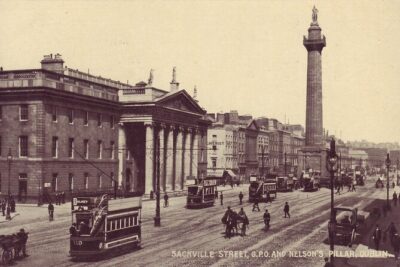 ★ 5.02-Hour Historical Walking Tour from DublinFrom $22875 reviews
 ★ 4.5Dublin to Cork, Blarney Castle & Cóbh Heritage Centre by trainFrom $195510 reviews
 ★ 4.8Jeanie Johnston Tall Ship Irish Famine History TourFrom $16431 reviews
Wicklow’s Historic Gaol Day TourFrom $14355 reviews
★ 4.8Jeanie Johnston Tall Ship Irish Famine History TourFrom $16431 reviews
Wicklow’s Historic Gaol Day TourFrom $14355 reviews
 ★ 4.3Dublin’s Haunted History Walking TourFrom $31345 reviews
 ★ 5.0Deliciously Dublin: The Artisan Donut Walking & History TourFrom $70329 reviews
 ★ 4.5Hidden Dublin: Haunted History Walking Tour v2.0 2026From $30188 reviews
Browse the lists this tour appears in