
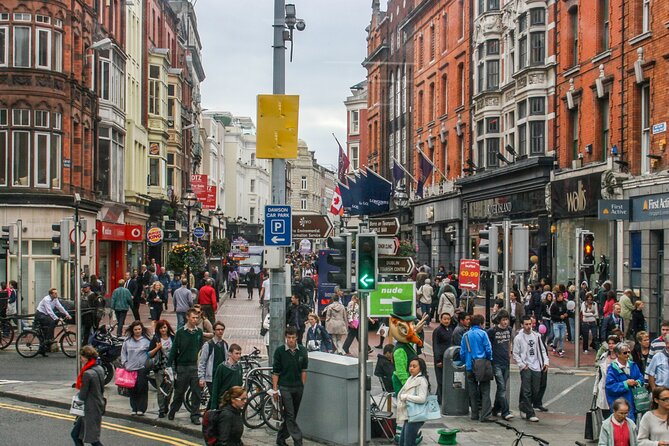
Reviewed · CITY TOURS
2 Hour Walking Tour of Dublin’s City Centre
Dublin’s streets do the storytelling fast. This 2-hour guided walk is a smart way to get your bearings while seeing the city’s biggest landmarks in one go. I especially like the small-group setup (max 10) and the way the guide turns each stop into something you can picture, not just a name on a sign.
The one thing to keep in mind is that most sites here are story-and-sight stops, not full “walk-in” visits, since entry tickets are not included for several locations. If you want long inside time at cathedrals and castles, you’ll still need separate plans after the tour.
In This Review
- The big selling points: what makes this Dublin tour worth your time
- Why a 2-hour walking tour is the best Dublin first move
- The route in plain English: Gaiety Theatre to St Stephen’s Green
- Gaiety Theatre: a fun starting point with a free ticket
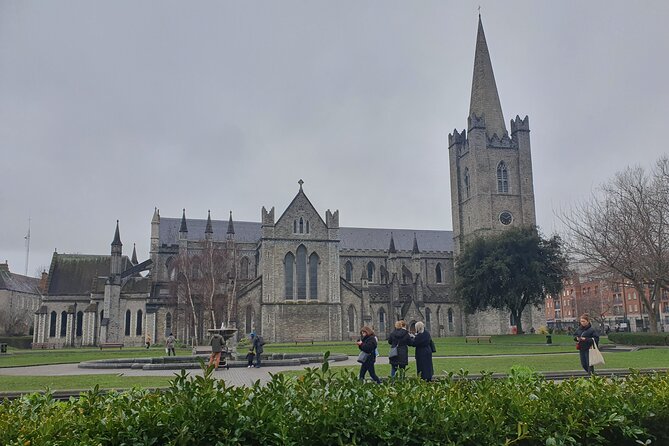
- St Patrick’s Cathedral: how a building survives and changes
- Dublin Castle: power, prison, and a real-life caper
- Christ Church Cathedral: Viking roots to Gothic flair to whiskey-era restoration
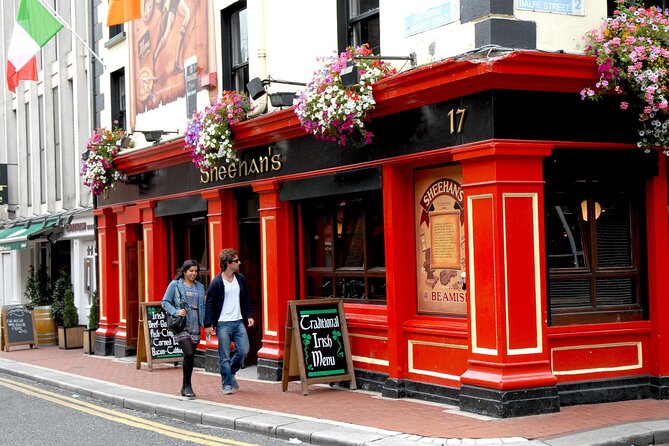
- Temple Bar: from rough reputation to tourist center
- Trinity College Dublin: why the Book of Kells pulls people in
- Bank of Ireland: politics, the Act of Union, and architecture echoes
- St Stephen’s Green: the elite park that became public space
- What you’ll notice on the walk: how the guide keeps it moving
- Price and value: what $28.96 buys you in Dublin
- Who this tour fits best (and who should skip it)
- Quick practical tips before you go
- Should you book this Dublin city-centre walking tour?
- FAQ
- How long is the 2 Hour Walking Tour of Dublin City Centre?
- Where do we meet and where does the tour end?
- What’s the price per person?
- How large is the group?
- Is the tour offered in English?
- Are tickets or admission fees included?
- What’s included in the tour besides the walking?
- Is there a mobile ticket?
- Can I cancel and get a refund?
- Is the walking considered manageable for most people?
The big selling points: what makes this Dublin tour worth your time
- Small group energy (up to 10 people) keeps questions flowing and photos from turning into a traffic jam.
- A tight route through Dublin’s core means you cover major sights without spending your day glued to a map.
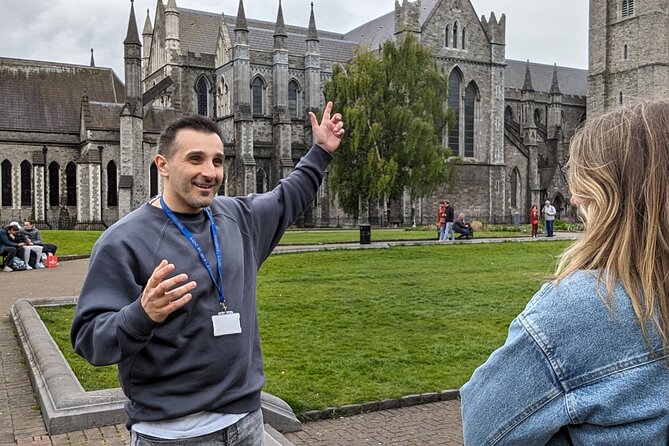
- Real guide personality shows up in the best reviews, with humor and interactive games along the way.
- Top landmarks in a single afternoon or morning makes it ideal when Dublin feels huge and your time is limited.
- Local recommendations pop up during the tour, so you leave knowing where to eat and what to do next.
More Dublin walks at an easy pace
- Dublin Highlights and Hidden Gems Guided Walking Tour★ 5.0 · 6,020 reviews
- Dublin: Highlights and Hidden Gems Walking Tour★ 4.9 · 2,140 reviews
- 1916 Rebellion Walking Tour★ 5.0 · 1,605 reviews
- 90 Minute Dublin Walking tour and Sightseeing tips★ 5.0 · 916 reviews
Why a 2-hour walking tour is the best Dublin first move
Dublin can feel simple at first glance: historic streets, famous pubs, and lots of stone buildings that look like they’ve been standing forever. The tricky part is connecting the dots. That’s where a guided walk earns its keep.
This one is built for speed and clarity. You’ll spend about 2 hours moving through the city centre, with short stops that keep the energy up instead of dragging. Each landmark gets about 15 minutes, which is long enough for context and short enough that you’re not stuck waiting around while everyone catches up.
You’ll also like the pacing if you’re traveling with different ages. The format works well for families (one review specifically called out a group with kids aged 11, 13, and 15), and it’s still engaging for adults who just want the highlights done right.
And because the tour is limited to 10 travelers, it tends to feel more like a shared walk with a good Dublin fan than a scripted march.
The route in plain English: Gaiety Theatre to St Stephen’s Green
You meet at the Gaiety Theatre on King St S (Dublin 2). The end point is at Fusiliers Arch in St Stephen’s Green, right by the Luas tram stop. That’s a handy finish: you’re placed in a calm pocket of the city with easy transit, so you can either keep exploring nearby or head to your next booking.
Here’s what you’ll see, and why each stop matters.
Gaiety Theatre: a fun starting point with a free ticket
The tour begins at the Gaiety Theatre, one of those Dublin landmarks that feels instantly recognizable once you’re standing in front of it. This is where you get things rolling, and it also includes a free admission ticket (so you’re not just hearing stories from the sidewalk).
What I like about starting here is tone-setting. It’s a reminder that Dublin isn’t only cathedrals and castles. It’s also theater, stage history, and everyday city life.
St Patrick’s Cathedral: how a building survives and changes
Next up is St Patrick’s Cathedral. The guide frames it as a place linked to St Patrick, with a timeline that includes Anglo-Norman building work and later periods when the cathedral faced serious trouble, followed by a Guinness family rescue.
A practical note: admission isn’t included here, so you’re mainly focused on the site and the stories around it unless you plan to pay separately for interior access later.
Even if you’ve seen photos before, this stop helps you understand why Dublin’s religious buildings feel different from what you might expect elsewhere. They’re not just old; they’ve been through change and repair.
A handful more Dublin outings we would happily send a friend to
Dublin Castle: power, prison, and a real-life caper
At Dublin Castle, the guide tells the story as layers: built by the Anglo-Normans, starting as a tower, then growing into a grand complex. You’ll also hear how it functioned as a seat of power and even a prison, plus a mention of a daring jewel heist.
Again, entry tickets aren’t included, so you’ll get the value from perspective and context rather than a long interior visit. If you want to go in properly, this tour sets you up to ask better questions once you’re standing inside later.
Christ Church Cathedral: Viking roots to Gothic flair to whiskey-era restoration
Then it’s Christ Church Cathedral, and the timeline is a big part of the appeal here. The cathedral’s origins are traced to the Vikings around 1030, with later rulers shaping what you see over time. Anglo-Normans added Gothic touches, and there’s also a notable 19th-century restoration funded by whiskey.
This is one of those stops where the guide’s explanation makes the architecture easier to read. You’ll notice details more, not less. Since admission isn’t included, treat this as a story stop plus a chance to look closely from the outside.
Temple Bar: from rough reputation to tourist center
At Temple Bar, the tour gives you the contrast. It used to be described as a maze-like neighborhood with a notorious reputation. Now it’s known as a tourist hub with pubs, art galleries, and nightlife.
This stop is useful because it helps you decide what you want from Temple Bar. If you want energy and people-watching, you know where to go. If you prefer quieter pub culture, you’ll learn how to use Temple Bar as a reference point without getting stuck there all night.
Trinity College Dublin: why the Book of Kells pulls people in
Next is Trinity College Dublin, a campus with a turbulent past that still produces world-famous learning. The guide connects it to the Book of Kells and the beauty of the campus.
Admission isn’t included here, so you’ll mostly be taking in the exterior feel and the broader context. But this stop is often the one that turns a tourist into a planner: you’ll likely want to schedule time at Trinity for deeper viewing later.
Bank of Ireland: politics, the Act of Union, and architecture echoes
Then you’ll reach the Bank of Ireland area, described as once a center of Irish politics. The story includes the Old Parliament House and how it links to major national moments like the Act of Union, plus a note about architectural inspiration for grand buildings elsewhere.
This is a good stop for anyone who likes history that connects to what stands right in front of them. You’re not only walking through Dublin; you’re walking through decisions that shaped the country.
Admission isn’t included, so the focus stays on understanding the site and its role.
St Stephen’s Green: the elite park that became public space
The tour finishes at St Stephen’s Green, a park with an origin story that starts as an exclusive green space for Dublin’s elite, tied to the Guinness family, and later opening into a public park for everyone.
This ending works well emotionally. The walk brings you through intense history, big institutions, and shifting power. Then you land in a greener pocket where you can slow down and plan your next step. The guide’s finish point is Fusiliers Arch, right near the Luas tram stop, which makes leaving easy.
What you’ll notice on the walk: how the guide keeps it moving

One pattern shows up across the high ratings: the best experiences come from the guide’s delivery style. In several comments, guides like Alin were praised for being personable and for making the group interact through questions and games. Other reviews mention similar energy with Allen and Leonore as guide names.
You’ll also hear that some guides bring visual aids, like a binder of old photos, which can turn a historical story into something your brain keeps instead of forgetting five minutes later.
Another practical win: the guide is used to groups wanting time for photos. If you stop to take pictures, it usually doesn’t throw off the tour schedule too badly. That matters when you’re traveling with a phone camera that always seems to need one more shot.
Price and value: what $28.96 buys you in Dublin
At $28.96 per person for about 2 hours, this tour sits in the reasonable range for Dublin’s city-centre experiences. What makes it good value is not just the price tag. It’s the time efficiency.
For the cost of a guided walk, you get:
- A route covering major landmarks you’d otherwise piece together yourself
- A guide who provides context at each stop
- A format that works well as a first outing (especially if you’re only in Dublin for a short time)
If you’re the kind of traveler who likes to return to the places with more intention, this kind of tour acts like a primer. You’ll know what you’re looking at later, which can save you money and time on what to prioritize.
If you’re someone who only wants full museum-style ticketed time, you may feel the tour is more “outside stories” than “inside visiting.” But if you want your bearings fast, it’s a smart spend.
Who this tour fits best (and who should skip it)
This tour is a great match if:
- You want a first-day Dublin intro without building an itinerary from scratch
- You like history explained in human terms, not a lecture
- You prefer small groups and a guide who asks questions
- You want a workable plan even when you have limited time
It may be less ideal if:
- You want to spend most of your time inside major sites
- You’re expecting admission included for every stop (only one stop notes free admission)
- You don’t like walking between city-centre landmarks, even at an easy pace with short stops
The fitness level is described as moderate, so plan for steady walking on uneven urban sidewalks. Nothing extreme, but it’s still a city walk.
Quick practical tips before you go

- Bring a charged phone for the mobile ticket and for transit navigation after the tour.
- Wear shoes you don’t mind on Dublin sidewalks. You’ll cover ground across the centre.
- Have one or two questions ready. The format tends to reward curiosity, especially with the interactive style mentioned in feedback.
- Use the ending location smartly. Being near Luas at St Stephen’s Green helps you continue your day without a complicated detour.
- Plan extra time later for interior visits if any of the cathedrals or Trinity are top priorities for you.
Should you book this Dublin city-centre walking tour?
If you’re deciding between wandering on your own and booking something structured, I’d lean toward booking this. It’s short, focused, and built to reduce decision fatigue. Starting at the Gaiety Theatre and ending in St Stephen’s Green is a clean arc through Dublin’s key areas, and the guide style described in top experiences tends to make the stories stick.
Book it if:
- You want the highlights done in two hours
- You like a small-group atmosphere
- You want practical direction for what to do next in Dublin
Skip it (or consider a different type of tour) if:
- You mainly want ticketed interior time at cathedrals and major historic buildings
- You want a long, slow pace with lots of standing-room time in one spot
Overall, this is a strong value choice when you want your Dublin day to feel organized from the start.
FAQ

How long is the 2 Hour Walking Tour of Dublin City Centre?
It runs for about 2 hours.
Where do we meet and where does the tour end?
You start at the Gaiety Theatre, King St S, Dublin 2. You finish at Fusiliers Arch in St Stephen’s Green, near the Luas tram stop.
What’s the price per person?
The price is $28.96 per person.
How large is the group?
The tour has a maximum of 10 travelers, which keeps it small-group style.
Is the tour offered in English?
Yes, the tour is offered in English.
Are tickets or admission fees included?
The tour includes a free admission ticket at the Gaiety Theatre. Admission tickets are not included for St Patrick’s Cathedral, Dublin Castle, Christ Church Cathedral, and the other marked stops.
What’s included in the tour besides the walking?
You get a guided introduction to Dublin’s history and culture with an engaging guide.
Is there a mobile ticket?
Yes, you’ll receive a mobile ticket.
Can I cancel and get a refund?
You can cancel for a full refund up to 24 hours before the start time.
Is the walking considered manageable for most people?
The tour lists moderate physical fitness as the level needed, and it’s near public transportation along the route.
More Dublin Walking Tours






More Tours in Dublin





More Tour Reviews in Dublin



Fresh off the cobbles: the latest Dublin reviews
- Dublin Private Airport Transfer to Ireland
★ 4.5 · 3 reviews - Private Chauffeur Service From Dublin Airport to Killarney
★ 5.0 · 3 reviews - Ireland: 3-Day West Coast Explorer Tour
★ 5.0 · 3 reviews - From Dublin: 4-Day Southern and Western Coast Tour
★ 4.3 · 3 reviews - Dublin : Street Art Walking Tour
★ 5.0 · 3 reviews - Spring Tonic Foraging Tour
★ 5.0 · 3 reviews
City Tours, compared.
 ★ 4.8From Dublin: Cliffs of Moher, Burren & Galway City Day TourFrom $8918,888 reviews
 ★ 4.7Cliffs of Moher, Atlantic Edge & Galway CityFrom $854,293 reviews
 ★ 4.5Dublin to Rock of Cashel, Cork City & Blarney Castle Guided TourFrom $952,536 reviews
 ★ 4.0City Sightseeing Dublin Hop-On Hop-Off Bus TourFrom $322,416 reviews
 ★ 4.1City Sightseeing Hop-On Hop-Off Bus TourFrom $36597 reviews
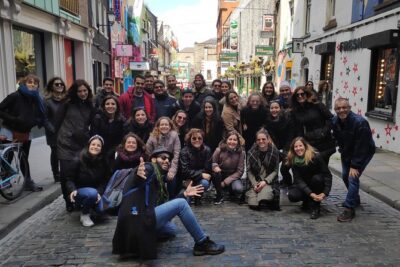 ★ 5.0Dublin City Center Walking TourFrom $417552 reviews
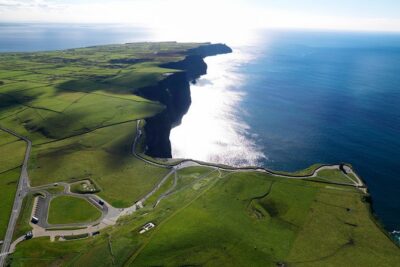 ★ 4.5Cliffs of Moher and Galway City Day Tour from DublinFrom $90351 reviews
 ★ 4.5Boat Trip from Dublin City to Dun LaoghaireFrom $33344 reviews
Browse the lists this tour appears in