
Reviewed · WALKING TOURS
Dublin: Highlights and Hidden Gems Walking Tour
Dublin has a talent for storytelling. This 2-hour walking tour stitches together Dublin’s past—Viking origins through medieval lanes, Georgian boulevards, and Victorian slums—while you pass major landmarks like Dublin Castle and Trinity College.
I especially like two things: the way the route covers 1,000 years of Dublin in one easy, on-foot timeline, and the practical help you get at the end with tips for where to eat, drink, catch live music, and shop.
One thing to keep in mind is that you’re walking the whole time; if your tour runs a bit long, you’ll want to plan ahead for a quick restroom or snack break since food isn’t included.
In This Review
- Key tour highlights to know
- A 2-hour Dublin timeline that starts where the city started
- Where the tour starts: The Old Storehouse and the green umbrella
- Dublin Castle and Christchurch Cathedral: power, faith, and the city’s big center
- Trinity College and the city’s academic pulse
- Temple Bar, Smock Alley Theatre, and the Dublin that feels lived-in
- Viking Dublin to medieval Dublin: learning the city by walking it
- The River Liffey, Ha’Penny Bridge, and O’Connell Bridge
- The GPO and Dublin’s public-life vibe
- How the guide makes it funny, clear, and useful
- Price and value: $27 for a city map in human form
- Pace, comfort, and the one watch-out
- Who should book this Dublin Highlights and Hidden Corners walk
- Quick practical checklist before you go
- Should you book this Dublin tour?
- FAQ
- How long is the Dublin walking tour?
- Where do I meet the guide?
- Is the tour in English?
- What’s included in the price?
- Are food and drinks included?
- Does the tour include hotel pickup or drop-off?
- Is the tour wheelchair accessible?
- Can I cancel for a refund?
- Is there a way to pay later?
Key tour highlights to know
- A straight timeline on foot: Vikings to medieval streets, then Georgian and Victorian Dublin.
- Big-name sights without rushing: Dublin Castle, Christchurch Cathedral, Trinity College, Temple Bar, and more.
- River and bridges included: You’ll walk by the River Liffey, plus Ha’Penny Bridge and O’Connell Bridge.
- Local guidance with attitude: Recommendations for food, drink, live music, souvenirs, and what to skip.
- Guides who tell great stories: Many guides are praised for humor and fast, clear explanations, including Ian, Keith, Alan, Dave, Kieran, Helena, Gemma, James, Karl, Emily, and Chris.
- Easy meeting point: Outside The Old Storehouse pub, looking for the green umbrella.
More Dublin walks at an easy pace
- Dublin Highlights and Hidden Gems Guided Walking Tour★ 5.0 · 6,020 reviews
- Dublin: Highlights and Hidden Gems Walking Tour★ 4.9 · 2,140 reviews
- 1916 Rebellion Walking Tour★ 5.0 · 1,605 reviews
- 90 Minute Dublin Walking tour and Sightseeing tips★ 5.0 · 916 reviews
A 2-hour Dublin timeline that starts where the city started
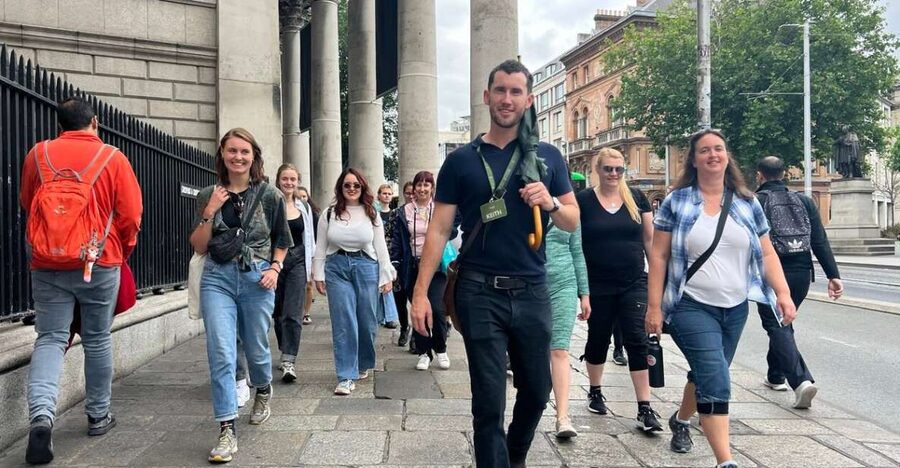
Dublin is a small city, which is great news for your legs. In about two hours, you can get the shape of the place: where it began, how it grew, and why it ended up with both famous landmarks and offbeat character. The tour is built like a moving story. You’re not just looking at buildings—you’re hearing how different eras left their fingerprints on the streets.
The big theme is time. You’ll move from Viking Dublin through medieval streets, then into Georgian boulevards and Victorian slums. That structure matters. It helps you read Dublin as a city with layers, not random stops that you forget the moment you turn a corner. If you’ve ever felt like you need a map plus a history book, this is the two-for-one version.
And the tone is light. Guides are praised for being funny and witty, not dry-as-dust. Some names that come up again and again in the feedback include Ian, Keith, Alan, Dave, and Kieran, with people highlighting humor plus a lot of memorable anecdotes.
Where the tour starts: The Old Storehouse and the green umbrella
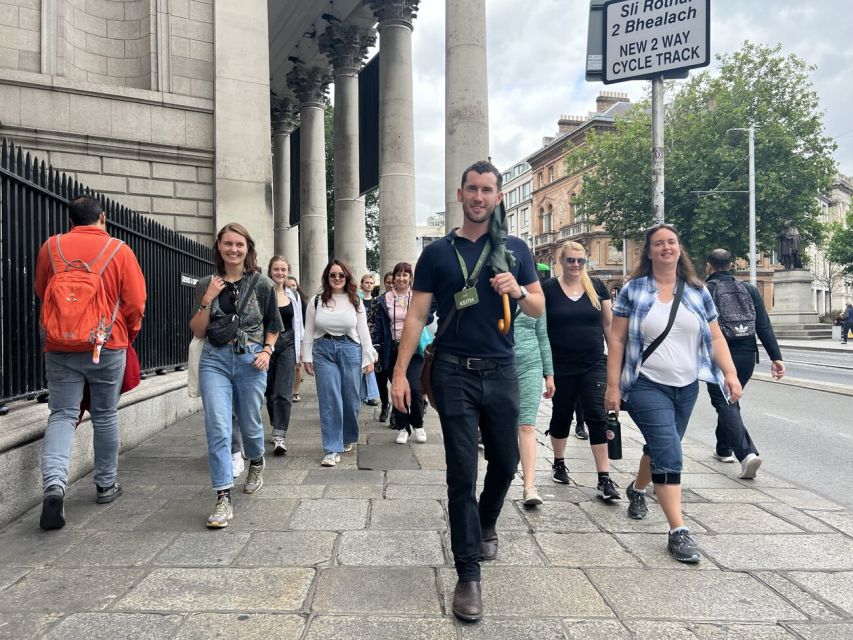
Logistics are simple, which is a big deal for a walking tour. The meeting point is outside The Old Storehouse pub. When you arrive, look for the green umbrella—that’s your visual cue that you’re in the right place.
Give yourself a little cushion. Plan to be there no later than 10 minutes before the tour starts, and present your booking to your guide. The tour ends back at the meeting point, so you don’t have to worry about getting stranded across town when you’re done. It’s an easy way to build Dublin into your first or second day without turning the day into a complicated puzzle.
If you’re coming from another part of central Dublin, this is also helpful. You can treat the tour like a hub: after it finishes, you already know which direction to head for dinner and nightlife.
Dublin Castle and Christchurch Cathedral: power, faith, and the city’s big center
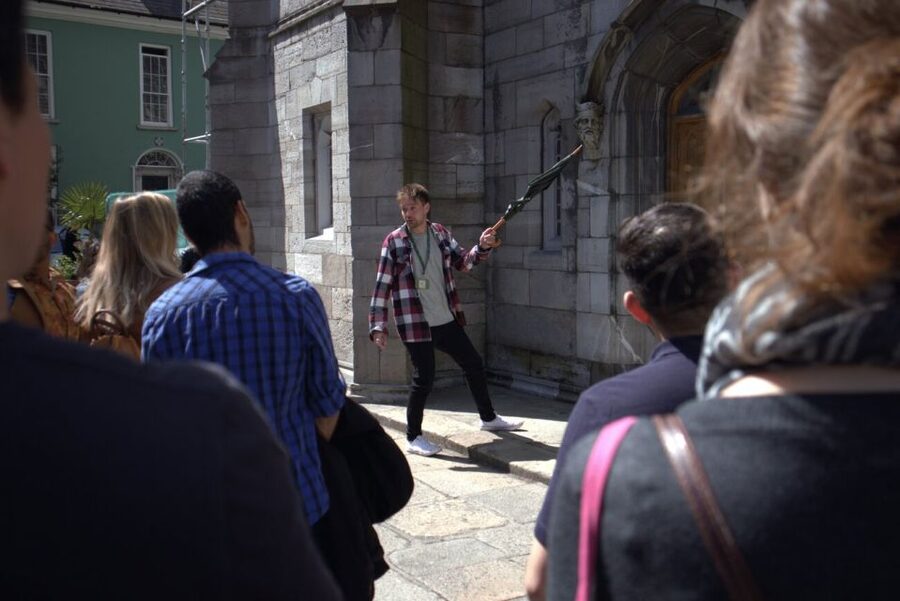
One reason this tour works so well is that it hits the kinds of landmarks that act like anchors in a city. You’ll pass places such as Dublin Castle and Christchurch Cathedral. Even without getting lost in details, seeing these early on helps you understand what kind of city you’re in.
Dublin Castle is the sort of stop that tends to feel important in every era. The guide’s job here is to explain the stories around it, and to connect the building to the timeline you’re walking through. Christchurch Cathedral fits the same role from the other side: a visual reminder that Dublin’s history isn’t only about politics and power—it’s also about institutions that shaped daily life.
You’ll also get the sense that the tour isn’t only about what’s standing today. The guide ties these landmarks to the idea that the city “keeps changing” and keeps rebuilding. That rise, fall, and rise again theme is part of what the tour promises, and it’s why these stops feel like more than photos.
Trinity College and the city’s academic pulse
You’ll also see Trinity College, another Dublin anchor. A lot of cities have one or two places that define their modern identity. In Dublin, Trinity College is one of those. On this walk, it’s not treated like a standalone sight. It’s part of the bigger timeline you’re moving through, so you can place it within the larger story from earlier eras.
This is where the “must sees plus hidden corners” approach pays off. Trinity College gives you the headline landmark. Then the guide’s storytelling approach helps you notice how the surrounding streets and areas connect to the city’s changing eras.
The best part is that you’re not forced into a lecture. The tour style is described as fun and colorful, and the guide interaction is part of the experience. People call out guides who are engaging, organized, and great at making the group stay with the story.





Temple Bar, Smock Alley Theatre, and the Dublin that feels lived-in
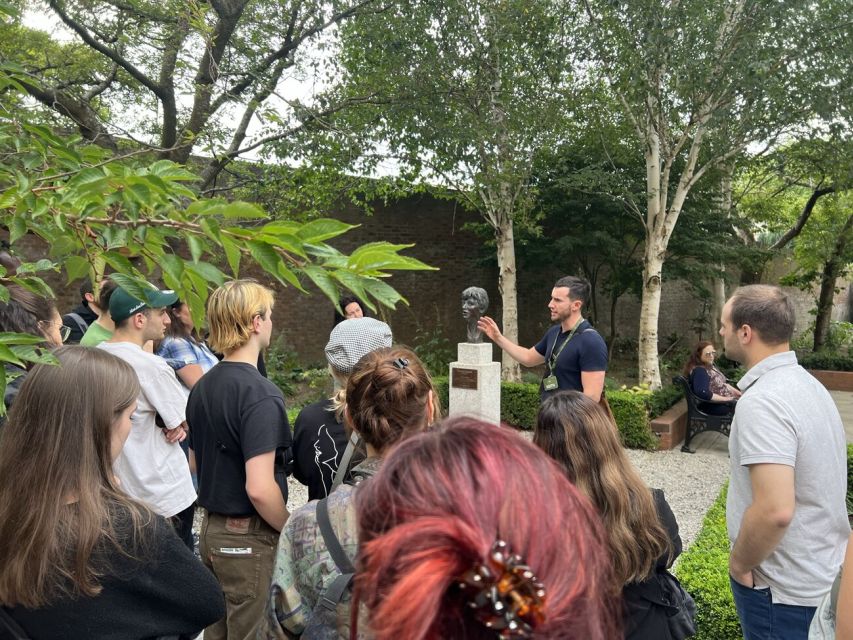
Yes, you’ll pass Temple Bar. It’s famous for a reason, but on a good guided walk, it becomes more useful than a photo stop. Here, it’s likely used to connect cultural life to the broader history you’ve been hearing about—writers and rebels, rock stars and rogues. That mix is one of the tour’s stated promises, and it’s why Temple Bar fits the overall flow.
You’ll also encounter Smock Alley Theatre, which helps balance the street-level energy of Temple Bar with a more arts-and-performance angle. This is the sort of stop that makes Dublin feel like a place where ideas and entertainment have long mattered—not just a place people pass through on the way to somewhere else.
If you like a city tour that treats Dublin as a culture, not just a collection of landmarks, this is a strong stretch of the route. It’s also a good zone to ask the guide for advice. The tour explicitly includes tips and recommendations to help you plan your next moves for meals, drinks, live music, and souvenirs.
Viking Dublin to medieval Dublin: learning the city by walking it
The tour doesn’t only say “history happened here.” It frames the walk around Viking Dublin and Medieval Dublin, so you’re not just hearing names of eras—you’re getting a sense of how the city evolved from its early roots into later street patterns.
That matters because Dublin’s look can confuse first-time visitors. Buildings in different styles sit side by side, and it’s hard to tell what belongs to what. Using the eras as your guide turns the confusion into a system: you can place what you’re seeing into the broader sequence.
This is also where a good guide earns their pay. People praise multiple guides for knowing how to connect the stories to what’s in front of them—one moment you’re seeing a landmark, the next you understand why the surrounding streets matter. Humor is frequently mentioned too, which keeps the walk from turning into a long history lecture.
If you want Dublin to make sense fast, start here in your visit. A tour like this helps you stop treating the city like a checklist.
The River Liffey, Ha’Penny Bridge, and O’Connell Bridge
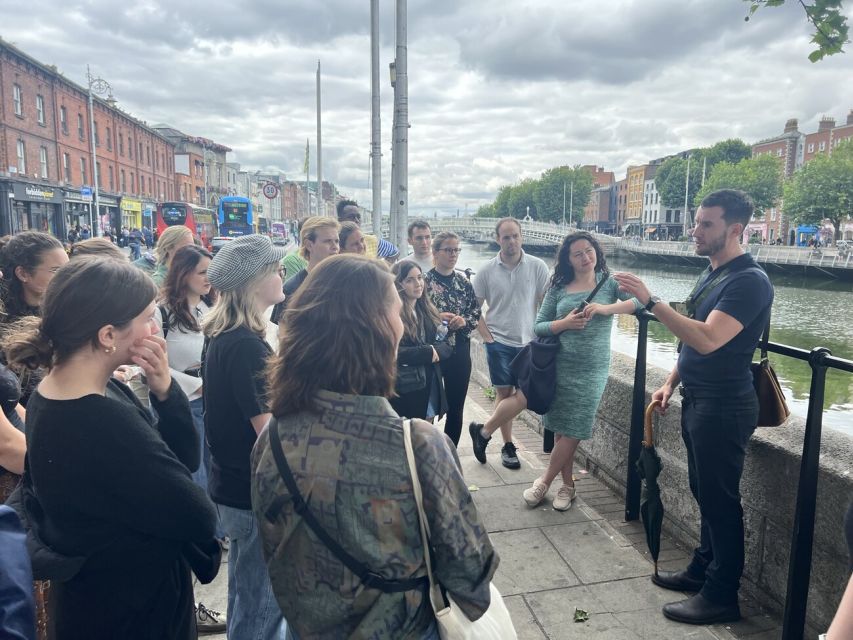
When you reach the River Liffey and the bridges—Ha’Penny Bridge and O’Connell Bridge—the city opens up visually. Bridges are useful on a walking tour because they give you natural viewpoints and easy transitions. They also make it easier to understand how different parts of Dublin relate to each other.
On this tour, these stops aren’t just for scenery. The guide uses them as part of the timeline and story-sharing, so the river becomes more than a pretty line on a map. It helps explain why certain areas developed where they did, and why the city’s public spaces feel central.
If you’re the type who likes taking photos but hates standing still for too long, this portion hits the sweet spot. You get the key city features, plus motion, plus story.
The GPO and Dublin’s public-life vibe
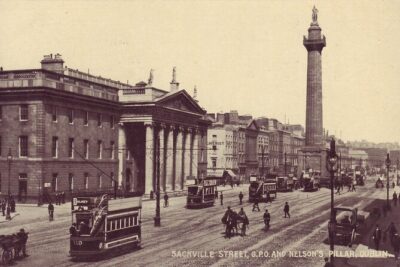
You’ll also visit the GPO, which fits the tour’s focus on Dublin as a city of characters, ideas, and turning points. Public buildings like this tend to act like story magnets. They’re often tied to moments that shaped how a city functioned and how people experienced daily life.
The tour’s promise is to connect “beloved and notorious characters” to the places you see, and the GPO fits that approach. Even if you’re not a big history buff, these are the kinds of stops that make you feel like you’re walking through a real timeline, not just wandering around.
This is also a good moment to notice the tour’s pacing. The walk is structured to keep you moving while still giving enough time for each stop to land. Many people praise how well the tour is run and how organized the guides are.
How the guide makes it funny, clear, and useful
This tour lives or dies by the guide. And the feedback is unusually consistent on one point: storytelling that stays lively and understandable.
Names that pop up with strong praise include:
- Ian: knowledgeable, witty, humorous.
- Keith: lots of history plus anecdotes and humor.
- Alan: full of Dublin history from Vikings to modern day; organized and friendly.
- Dave: funny, knowledgeable, and kind; also strong on local suggestions.
- Kieran: praised for interactive and entertaining explanations.
- Helena and Gemma: friendly, funny, and knowledgeable.
- James: very informative and entertaining.
- Karl: described as funny, engaging, and strong on explaining culture and history.
- Emily and Chris: engaging, personable, and good at keeping the group connected.
What you should care about: these comments point to a guide who explains the significance of each stop in plain language. That’s exactly what you want when you’re trying to learn a city quickly. It also explains why the tour feels like more than sightseeing. You leave with a better sense of Dublin’s personality—and often with a short list of places to eat, drink, and go for live music.
Price and value: $27 for a city map in human form
At $27 per person for a two-hour guided walk, the value comes from two things you can’t easily recreate on your own: a structured timeline and built-in local guidance.
If you’re visiting for a short time, a walking tour like this can be one of the most efficient ways to build context. You’re not paying just for access to landmarks. You’re paying for someone who can connect the dots—Viking origins, medieval streets, Georgian boulevards, Victorian slums—and then point you toward how to spend the rest of your day.
Also, the tour includes tips and recommendations for where to eat, drink, see live music, and buy souvenirs. That kind of guidance often saves time (and money) because you’re less likely to waste your evening wandering in the wrong area.
So is it worth it? If you want a fast, guided orientation and you like your history with personality, yes. If you prefer slow museum-style learning or you already have a strong plan and sources, you might treat it as optional.
Pace, comfort, and the one watch-out
Walking tours can be simple—until you’re the one doing them. This one is wheelchair accessible, and it’s a straightforward city-center walk. Still, you should expect to be on your feet for the full two hours.
One note from the experience: while the duration is listed as two hours, there’s at least one comment about a tour running close to three hours with no break for a snack or loo stop. That doesn’t mean it always happens. But it is enough to plan like an adult with a schedule and a bladder. Before you go, drink water and consider a quick restroom stop first.
Comfort tip: wear shoes you can walk in comfortably on uneven streets. Dublin sidewalks can be charming and also a little unforgiving.
Who should book this Dublin Highlights and Hidden Corners walk
This tour is a great fit if you:
- Want to see the main sights like Dublin Castle, Trinity College, and the River Liffey
- Like history explained in story form, with humor
- Want local advice for food, drinks, live music, and souvenirs
- Are visiting on a first-time trip and need a fast sense of direction
It’s also a solid pick if you don’t want to commit to a full-day tour. Two hours is just long enough to reset your brain and make the rest of your Dublin plans click.
You might choose something different if you dislike walking, or if you already know Dublin’s eras inside out and only want very specific neighborhoods.
Quick practical checklist before you go
- Arrive at The Old Storehouse pub about 10 minutes early.
- Look for the green umbrella.
- Bring comfy walking shoes.
- Have a plan for food and drinks outside the tour (they aren’t included).
- If you’re sensitive to long stretches, do a quick restroom check before you meet your guide.
If you’re traveling with limited time, this tour helps you spend your next hours more wisely, because you’ll have a guide’s recommendations in your pocket.
Should you book this Dublin tour?
Book it if you want a fun, organized way to understand Dublin fast. For $27, you get a city-center walking tour with a local guide, a timeline that moves from Viking beginnings to later eras, and practical suggestions for how to spend your evening. The best sign? Multiple guides are praised for making the history lively, clear, and funny—exactly what you want when you’re learning a new city.
Skip it if you’re only chasing a specific one-off attraction and you don’t care about connecting places to time periods. In that case, you could put that money toward a focused activity that matches your interests directly.
FAQ
How long is the Dublin walking tour?
It runs for 2 hours. Starting times can vary, so check availability for the next departures.
Where do I meet the guide?
Meet outside The Old Storehouse pub. Look for the green umbrella. Try to arrive no later than ten minutes before the start time.
Is the tour in English?
Yes. The live tour guide speaks English.
What’s included in the price?
The tour includes a local guide and a walking tour of Dublin city centre, plus history and culture exploration. You also get tips and recommendations to help plan your trip.
Are food and drinks included?
No. Food and drinks are not included.
Does the tour include hotel pickup or drop-off?
No. There’s no hotel pickup or drop-off. You start and finish at the meeting point.
Is the tour wheelchair accessible?
Yes. The tour is wheelchair accessible.
Can I cancel for a refund?
Yes. The tour offers free cancellation up to 24 hours in advance for a full refund.
Is there a way to pay later?
Yes. You can reserve now & pay later, keeping your plans flexible.
More Dublin Walking Tours






More Tours in Dublin





More Tour Reviews in Dublin



Fresh off the cobbles: the latest Dublin reviews
- Dublin Private Airport Transfer to Ireland
★ 4.5 · 3 reviews - Private Chauffeur Service From Dublin Airport to Killarney
★ 5.0 · 3 reviews - Ireland: 3-Day West Coast Explorer Tour
★ 5.0 · 3 reviews - From Dublin: 4-Day Southern and Western Coast Tour
★ 4.3 · 3 reviews - Dublin : Street Art Walking Tour
★ 5.0 · 3 reviews - Spring Tonic Foraging Tour
★ 5.0 · 3 reviews
Walking Tours, compared.
 ★ 5.0Dublin Highlights and Hidden Gems Guided Walking TourFrom $296,020 reviews
 ★ 5.01916 Rebellion Walking TourFrom $271,605 reviews
 ★ 5.090 Minute Dublin Walking tour and Sightseeing tipsFrom $21916 reviews
 ★ 5.02-Hour Historical Walking Tour from DublinFrom $22875 reviews
 ★ 4.7Historical 2-Hour Guided Walking Tour of DublinFrom $22865 reviews
 ★ 5.0Dublin Traditional Irish 3 Course Meal Walking Tour with LocalFrom $107755 reviews
 ★ 4.9Mythology, Folklore and Legends Walking TourFrom $27703 reviews
 ★ 5.0The Dublin Private Walking TourFrom $163701 reviews
Browse the lists this tour appears in