
Reviewed · HISTORICAL TOURS
Dublin: LGBT Pride Walking Tour with Queer History
Dublin has a way of turning ordinary streets into history lessons. This LGBT Pride walking tour helps you connect the dots between queer activists, landmark buildings, and the long push toward equality in Ireland. I especially loved how the guide, Helena, brought the stories to life with humor and personal touches, and how you move past real places like Liberty Hall and Trinity College instead of just hearing facts.
One thing to consider: it’s a proper city walk for about 2 hours, so you’ll want comfy shoes and a willingness to keep moving at an easy-but-steady pace.
In This Review
- Key highlights worth planning for
- Meeting at the Old Storehouse and setting the tone on the walk
- Liberty Hall: where the first Pride protest story fits in
- The General Post Office and Panti Bliss: revolutionary queer voices
- Trinity College and the Sexual Liberation Movement
- Hirschfield Centre, Diceman’s Corner, and the George: the walk’s “now” factor
- Dr Lydia Foy and the Gender Recognition Act
- Pacing and why 2 hours works (especially for first-timers)
- Price and value: is $27 worth it?
- Who should book this Pride walking tour
- Quick tips so you get the most out of it
- Should you book it?
- FAQ
- Where does the Dublin LGBT Pride walking tour start?
- How long is the tour?
- What landmarks will we see?
- Is the guide’s tour language English?
- Is the tour wheelchair accessible?
- What should I bring?
Key highlights worth planning for
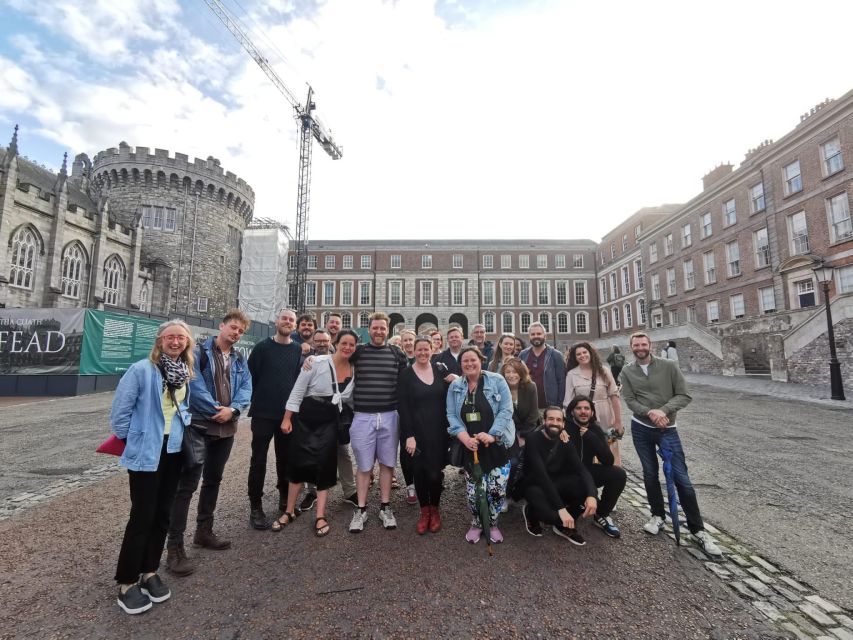
- Green umbrella meeting point: meet the guide outside the Old Storehouse Bar & Restaurant
- Liberty Hall stop: learn about the first Pride protest there
- General Post Office area: stories tied to revolutionary queer figure Panti Bliss
- Trinity College context: the Sexual Liberation Movement and wider social change
- Diceman’s Corner and the George: a street-level look at LGBTQ+ life across eras
- Dr Lydia Foy and the Gender Recognition Act: gender identity progress with clear, human stories
More Dublin walks at an easy pace
- Dublin Highlights and Hidden Gems Guided Walking Tour★ 5.0 · 6,020 reviews
- Dublin: Highlights and Hidden Gems Walking Tour★ 4.9 · 2,140 reviews
- 1916 Rebellion Walking Tour★ 5.0 · 1,605 reviews
- 90 Minute Dublin Walking tour and Sightseeing tips★ 5.0 · 916 reviews
Meeting at the Old Storehouse and setting the tone on the walk
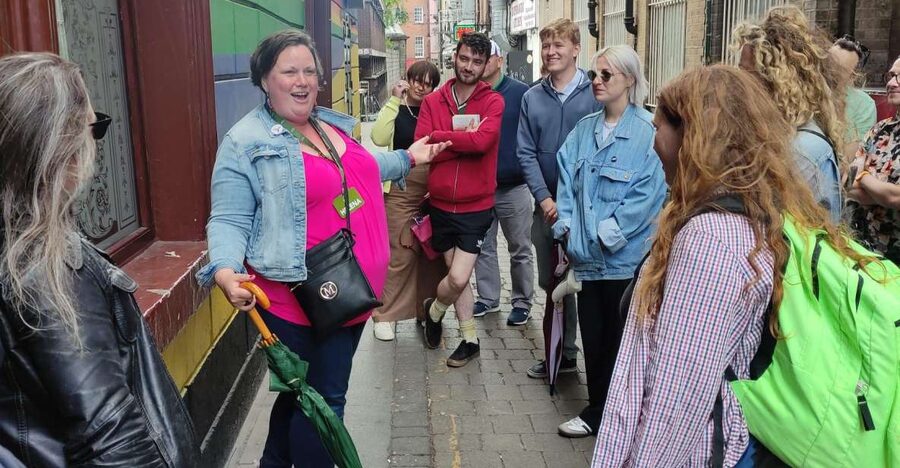
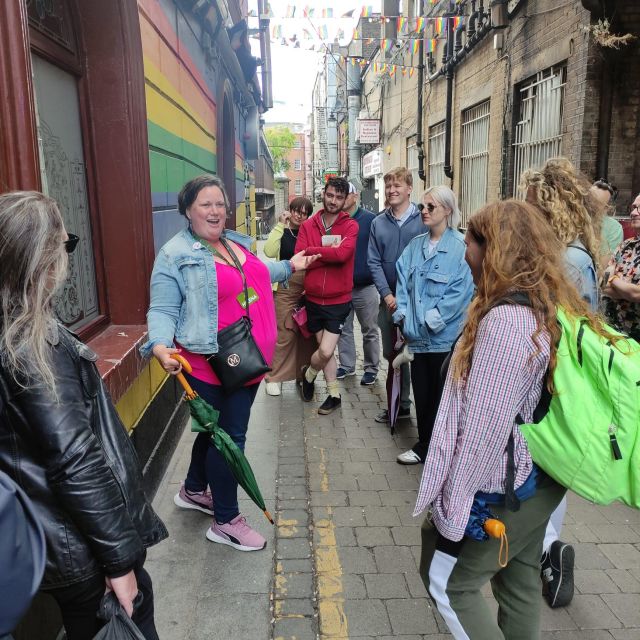
The tour starts outside the Old Storehouse Bar & Restaurant, and you’ll spot the guide carrying a green umbrella. That small detail matters, because in Dublin, it’s easy to wander around the wrong side of a street and lose time. Get there a few minutes early, look for the umbrella, and you’ll be off.
Right away, you get a sense of what kind of tour this is. It’s not just a list of LGBTQ+ names. You’re walking, so you’re learning in motion. The guide keeps things lively and welcoming, and you’ll likely find Helena chats in between stops too, not just during long speeches. A couple of walkers loved that the two hours flew by, and that you leave feeling like you made a friend, not just a customer.
Liberty Hall: where the first Pride protest story fits in
One of the best-known stops on this route is Liberty Hall, and for good reason. This is where the tour places the story of the first Pride protest, framing it as part of a broader push for dignity, safety, and recognition. You’re not only hearing that Pride happened. You’re hearing what it meant when being visible could still come with real risks.
What I like about this stop is the way it anchors the tour in a specific place tied to protest. It helps you understand that progress wasn’t automatic. People organized, argued, marched, and asked for basic rights. The walk uses Liberty Hall as a kind of reference point for how Dublin’s social climate shifted over time.
Practical note: this is an outdoor walking tour, so wear shoes you can stand in and walk in comfortably. You’ll be out on city streets the whole way.
The General Post Office and Panti Bliss: revolutionary queer voices
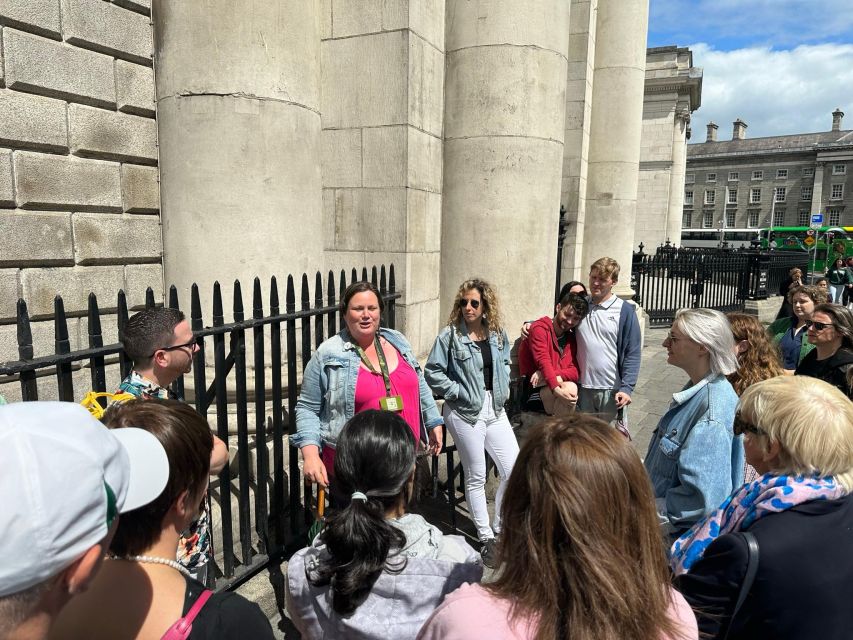
Another major landmark on the route is the General Post Office. Here, the tour brings in stories around Panti Bliss, described through the lens of revolution and queer visibility. It’s a reminder that LGBTQ+ history in Ireland isn’t only about later civil rights campaigns. There are cultural and political threads woven together, and the tour tries to show how they connect.
I like that the guide doesn’t treat Panti Bliss as a one-off celebrity moment. The story is used to set the scene: where queer expression fits into Ireland’s wider conversations about authority, identity, and who gets to speak publicly. In a short tour, that kind of context is what makes the walk feel more than sightseeing.
Trinity College and the Sexual Liberation Movement
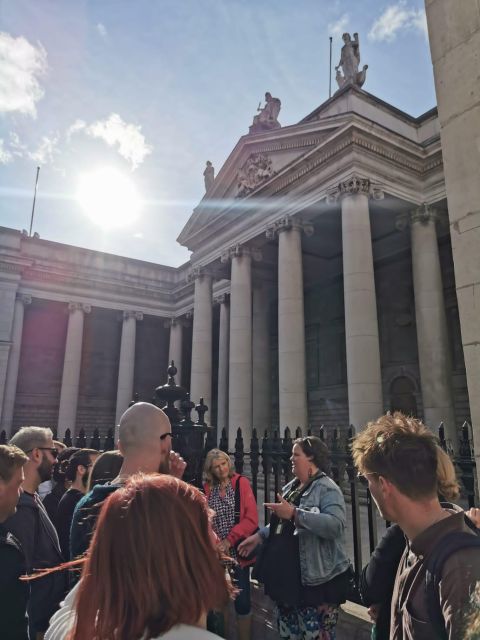
As you pass Trinity College, the tour shifts into the Sexual Liberation Movement and the wider changes around sexuality and social norms. This stop works well because Trinity College is one of Dublin’s most recognizable institutions. Seeing it from the street while discussing the movement gives you contrast: grand architecture and academic reputation on one hand, and on the other hand, the fact that social permission was a fight for many people.
The tour also connects this era to the bigger idea of how Ireland moved from exclusion and abuse toward later legal and social recognition. Even if you already know that Ireland legalized marriage equality, you’ll still get more useful detail when the tour places that progress into a timeline of activism and organizing.
More of Dublin's history on foot
Hirschfield Centre, Diceman’s Corner, and the George: the walk’s “now” factor
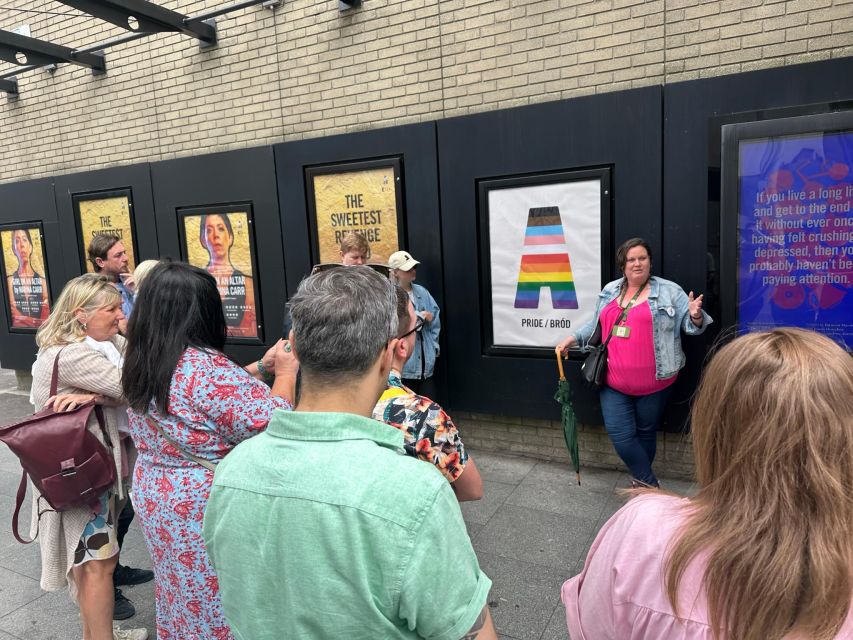
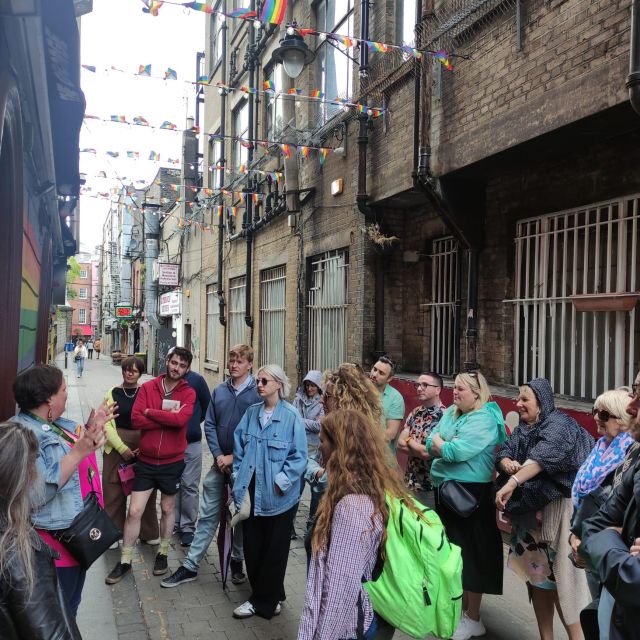
This is where the tour becomes especially satisfying for people who like their history to feel present-day. You’ll pass the Hirschfield Centre, Diceman’s Corner, and the George, described as Ireland’s most iconic LGBTQ venue.
Here’s what these stops do for you. They remind you that queer life doesn’t live only in textbooks. It also lives in institutions, meeting points, nightlife, and public visibility. Diceman’s Corner is mentioned specifically, which hints that the guide treats it as more than a photo stop. It’s part of the street-level geography of queer Dublin.
And the George matters because it ties personal identity to lived culture. Even if your visit is short, you get a sense of where people have gathered and built community over the years. That’s a key theme across the tour: equality is not only a legal outcome. It’s also something communities create, defend, and keep building.
Dr Lydia Foy and the Gender Recognition Act
The tour includes a focused story about Dr Lydia Foy and the Gender Recognition Act, including how the country moved toward better recognition of gender identity. You’ll hear how Irish society went from harsh exclusion to later rights-based changes, and you’ll see why that part of history connects to the broader Pride narrative.
I appreciate how the tour uses names and specific references rather than staying abstract. Dr Lydia Foy’s inclusion signals that the tour treats gender identity history as central, not as an optional footnote. And since the walk covers other figures too, it gives you a fuller picture of how different forms of LGBTQ+ activism shaped one another.
Pacing and why 2 hours works (especially for first-timers)
The tour runs about 2 hours, and it’s designed to cover a lot of ground without turning into a marathon. That timing is a real benefit for first-timers. You get multiple landmark stops, key names, and a sense of Ireland’s evolving LGBTQ+ rights in one go.
It’s also long enough for the guide to explain why each place matters, not just where it is. From the way Helena’s tours are described, she uses humor and personal anecdotes to keep the stories human. If you like learning but you don’t want your brain to melt into a lecture, this format is a good fit.
What to expect during the walk:
- You’ll keep moving between stops on city streets.
- You’ll hear stories tied to specific buildings or corners, including Liberty Hall, Trinity College, the General Post Office, and several LGBTQ-relevant places.
- You’ll connect earlier exclusion and abuse to later recognition, including marriage equality.
Price and value: is $27 worth it?
At $27 per person for a roughly 2-hour walking tour, the value comes down to this: you’re paying for a guided interpretation of Dublin’s LGBTQ+ geography, plus stories built around key figures like Panti Bliss and Dr Lydia Foy.
If you tried to do this on your own with a map and a couple of search terms, you’d likely miss the thread the guide gives you. The tour is more than navigation. It’s storytelling linked to landmarks—exactly the kind of thing that turns a city walk into something you remember.
Also, the reviews attached to this experience point to one thing that matters for value: the guide is described as generous with knowledge, accommodating, and genuinely interested in making the tour work for the group. That kind of engagement can make a big difference in whether a 2-hour experience feels short or fulfilling.
Who should book this Pride walking tour
This tour is a strong choice if you want:
- A starter-level way to understand Irish LGBTQ+ history without needing to research first
- A guided route through major Dublin landmarks that are tied to queer activism and community life
- A tour that balances serious subjects with a human tone
It also works well if you’re traveling with a teen or a friend who usually finds history boring. One review highlights that a teen enjoyed it as much as an adult, which tells me the guide knows how to keep the energy up while still covering important material.
Quick tips so you get the most out of it
- Wear comfortable shoes. You’ll be outside and walking for about 2 hours.
- Bring a phone for photos, but also be ready to listen. The best moments are usually when the guide ties a name to a place.
- If you have questions about what you’re seeing, ask them. Helena is described as answering questions and keeping things friendly.
- Expect a mix of stories: revolution, civil rights energy, Pride pioneers, and gender recognition progress. That variety is part of the appeal.
Should you book it?
Yes, if you want a guided way to see Dublin’s queer history in a concentrated, learnable route. The tour hits major landmarks like Liberty Hall, Trinity College, and the General Post Office, then rounds it out with places that show you how LGBTQ+ community life looks on the ground, including Diceman’s Corner and the George.
Skip it only if you dislike walking tours or you’re looking for a very short, minimal-effort activity. This is best when you’re ready to move, look around, and let a great guide connect the stories to the streets.
FAQ
Where does the Dublin LGBT Pride walking tour start?
The tour meets directly outside the Old Storehouse Bar & Restaurant. Look for the guide carrying a green umbrella.
How long is the tour?
The tour lasts about 2 hours. Starting times vary, so you’ll want to check availability for the time you want.
What landmarks will we see?
You’ll pass by landmarks including Liberty Hall, Trinity College, the General Post Office, the Diceman’s Corner, the Hirschfield Centre, and the George, plus other important sites mentioned by the guide.
Is the guide’s tour language English?
Yes. The live tour guide speaks English.
Is the tour wheelchair accessible?
Yes, the activity is listed as wheelchair accessible.
What should I bring?
Wear comfortable shoes since it’s a walking tour.
More Dublin Walking Tours



More Tours in Dublin




More Tour Reviews in Dublin



Fresh off the cobbles: the latest Dublin reviews
- Dublin Private Airport Transfer to Ireland
★ 4.5 · 3 reviews - Private Chauffeur Service From Dublin Airport to Killarney
★ 5.0 · 3 reviews - Ireland: 3-Day West Coast Explorer Tour
★ 5.0 · 3 reviews - From Dublin: 4-Day Southern and Western Coast Tour
★ 4.3 · 3 reviews - Dublin : Street Art Walking Tour
★ 5.0 · 3 reviews - Spring Tonic Foraging Tour
★ 5.0 · 3 reviews
Historical Tours, compared.
 ★ 5.0Dublin Historical Centre Food Tour with 8 Food Tastings & DrinksFrom $1251,718 reviews
 ★ 5.02-Hour Historical Walking Tour from DublinFrom $22875 reviews
 ★ 4.7Historical 2-Hour Guided Walking Tour of DublinFrom $22865 reviews
 ★ 4.5Dublin to Cork, Blarney Castle & Cóbh Heritage Centre by trainFrom $195510 reviews
 ★ 4.8Jeanie Johnston Tall Ship Irish Famine History TourFrom $16431 reviews
Wicklow’s Historic Gaol Day TourFrom $14355 reviews
★ 4.8Jeanie Johnston Tall Ship Irish Famine History TourFrom $16431 reviews
Wicklow’s Historic Gaol Day TourFrom $14355 reviews
 ★ 4.3Dublin’s Haunted History Walking TourFrom $31345 reviews
 ★ 5.0Deliciously Dublin: The Artisan Donut Walking & History TourFrom $70329 reviews
Browse the lists this tour appears in