
Reviewed · HISTORICAL TOURS
Historical Walking Tour of Dublin
Dublin’s 1916 story fits on one walk. This Historical Walking Tour of Dublin strings together three big touchpoints—GPO, Trinity College, and Dublin Castle—so you can see how the city’s past echoes in the present. I love the simple start and finish (The Spire to Ha’penny Bridge Inn) because it keeps your head clear instead of spent on logistics. I also love the small-group feel (max 15), with guide Donal bringing humor and straight talk that makes history feel human, not dusty.
One thing to plan around: admission isn’t automatically covered at each stop, so expect to bring extra cash if you want inside tickets (GPO, Trinity, and Dublin Castle are all listed with admission not included). It’s still a solid value for the guided walking and context, just don’t count on one included ticket solving everything.
In This Review
- Key highlights worth knowing before you go
- Walking the 1916 Rising sites in 1 hour 45 minutes
- Meeting at The Spire, then ending at Ha’penny Bridge Inn
- Stop 1: The GPO and the story of the 1916 Easter Rising
- Stop 2: Trinity College outside stops and the Book of Kells payoff
- Stop 3: Dublin Castle and the civic center during the rebellion
- Why this guide style matters: Donal’s humor and honesty
- The small-group advantage (and why it’s good value)
- What to do about admission tickets and extra cash
- Timing and pacing: perfect for an afternoon with flexibility
- Who should book this Dublin walking tour
- Should you book it? My decision guide
- FAQ
- What’s the duration of the Historical Walking Tour of Dublin?
- How much does the tour cost?
- Where does the tour start and end?
- Is the tour offered in English?
- Are admission tickets included for the stops?
- What’s the group size?
- What if the weather is bad?
Key highlights worth knowing before you go
- Easy start at The Spire, O’Connell Street Upper and a memorable finish at the Ha’penny Bridge Inn
- Tight timing with short stops (about 10 minutes each) that work best if you like highlights
- 1916 Rising focus with stops tied to the rebellion’s most famous Dublin landmarks
- Trinity College stop for Book of Kells and the Long Room area (you’re positioned outside to absorb the story)
- Small group size (15 max) means you’re more likely to get your questions answered
- Guide Donal’s style shows up in the reviews: funny, candid, and happy to steer you toward good food and pubs
More Dublin walks at an easy pace
- Dublin Highlights and Hidden Gems Guided Walking Tour★ 5.0 · 6,020 reviews
- Dublin: Highlights and Hidden Gems Walking Tour★ 4.9 · 2,140 reviews
- 1916 Rebellion Walking Tour★ 5.0 · 1,605 reviews
- 90 Minute Dublin Walking tour and Sightseeing tips★ 5.0 · 916 reviews
Walking the 1916 Rising sites in 1 hour 45 minutes
This tour is built for people who want a Dublin orientation without turning the afternoon into a marathon. You’re on your feet for about 1 hour 45 minutes with a small group and a guide who focuses on connections—who did what, why it mattered, and how the city remembers it.
The big idea is simple: you’ll walk from the political core of early 20th-century Dublin into the scholarly prestige of Trinity, then end near the civic heart again at Dublin Castle. That mix helps you understand Ireland’s story as more than one rebellion. It’s also where national identity gets argued, studied, and performed in public spaces.
Meeting at The Spire, then ending at Ha’penny Bridge Inn
Your day starts at The Spire on O’Connell Street Upper. That’s a smart choice because it’s a big, obvious landmark and easy to find even if you’re still getting your bearings. You also get the advantage of beginning in the city’s main artery, which makes the walk feel like you’re moving through the center instead of hopping between far-flung neighborhoods.
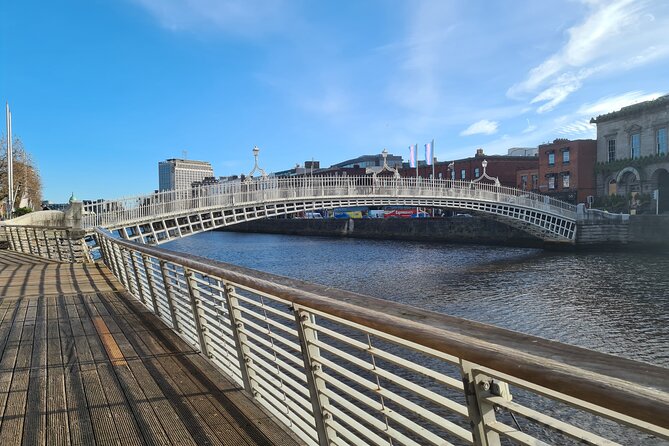
Finishing at the Ha’penny Bridge Inn right by the famous Ha’penny Bridge is equally practical. It gives you an instant “now what?” moment: if you want a pint, you don’t have to go hunting for one. If you want to keep exploring on your own, you’re already positioned by one of Dublin’s most photographed crossings.
Stop 1: The GPO and the story of the 1916 Easter Rising
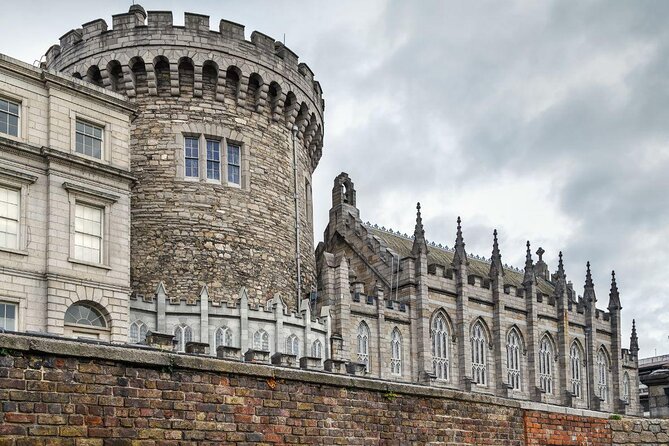
The General Post Office (GPO) is your first stop, and it’s a powerful one. This building served as the central headquarters for the 1916 Easter Rising, when Irish republicans seized key locations and proclaimed an independent Irish Republic.
Here’s what makes this stop worth your time: you’re not just told the outcome. You hear the framing—leaders like Patrick Pearse and James Connolly, the rebellion against British rule, and why it ultimately failed due to overwhelming British military strength and limited public support. Even with just a short stop (about 10 minutes), that context gives everything else on the walk emotional weight.
Practical note: the tour lists admission ticket not included for this stop. If you want to go inside or add a paid element, have a little extra money ready. If you don’t, you’ll still get the guided story and the symbolism of why the GPO remains such a durable reference point in Irish public memory.
Stop 2: Trinity College outside stops and the Book of Kells payoff
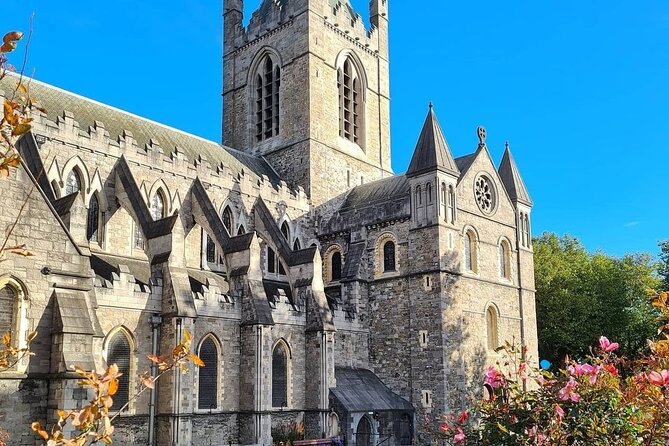
Next up is Trinity College Dublin at College Green. The time is brief (again, about 10 minutes), and that’s important to understand going in. This is not a long inside visit where you sit and read every exhibit. Instead, the value is the way the guide links the site to Irish learning and identity.
Trinity was founded in 1592, and the “wow” factor comes from what you associate with the college: the Book of Kells in the Long Room of the Old Library. Even when you’re stopping outside, that mention matters because it helps you map Trinity from a name on a ticket into a place with a real role in Dublin’s cultural life.
Another reason this stop works for most people: Trinity’s historic setting is visually easy to absorb while standing outside—classic campus feel, Georgian architecture, and landscaped lawns. If you’re the kind of visitor who likes to look first and decide later, this stop gives you the right mental anchor before you commit to paid entry.
Just keep your expectations clear: admission ticket not included here too. If you want to see the Book of Kells and the Long Room, plan for extra cost beyond the tour price.
More of Dublin's history on foot
Stop 3: Dublin Castle and the civic center during the rebellion
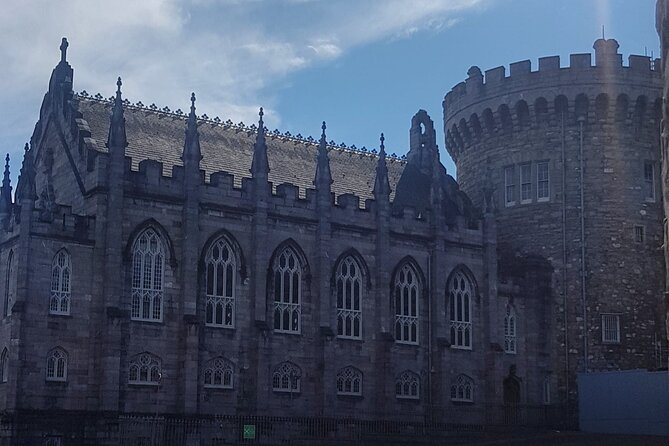
Your final major landmark is Dublin Castle, with the focus on its historical role and how it ties into the 1916 rebellion. You’ll also get context around Dublin’s civic functions—what this area represented in governance and power, and why the uprising’s story includes more than street fighting.
This stop is about meaning. The castle isn’t just a pretty facade; it’s a reminder that political struggle happens where authority is organized. Even in a quick 10-minute visit, it helps you connect the rebellion’s urgency to the institutions it challenged.
As with the other sites, admission ticket not included. The tour gives you the guided interpretation and the location context, but if you want to go inside, you’ll likely need a separate ticket.
Why this guide style matters: Donal’s humor and honesty
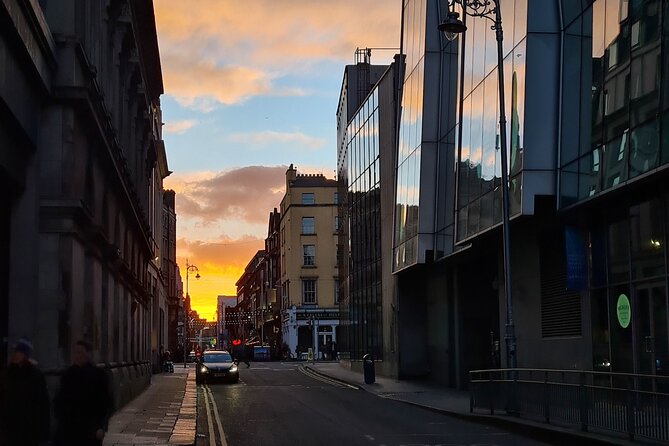
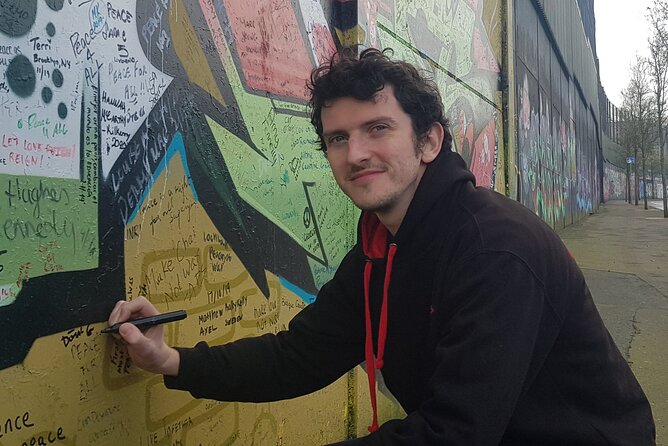
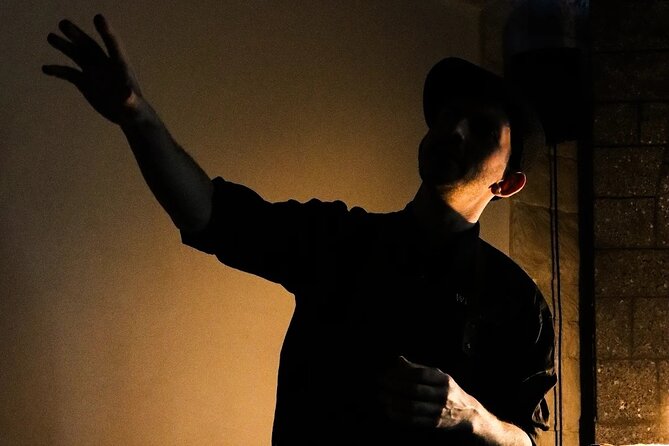
One of the strongest signals across the experience is the guide’s approach. In particular, Donal comes through as enthusiastic, funny, and willing to answer questions. You get the sense that he isn’t reciting a script. He’s shaping the story to help you understand the city as a living place, not only an archive.
I also like that the tour seems to balance big events with human details. The reviews mention things like honest commentary and even personal takes on places around Dublin. That matters because Dublin has layers—tourist Dublin, student Dublin, pub Dublin, political Dublin—and a guide who points out those differences helps you pick what to do next.
Some groups also mention extra fun moments like pouring a pint and behind-the-scenes touches in pub settings. The tour ending near Ha’penny Bridge Inn makes that kind of add-on feel logical. Still, treat anything beyond the stated landmark stops as “if it happens on your departure,” not guaranteed.
The small-group advantage (and why it’s good value)
Max 15 travelers sounds like a nice-to-have number. In practice, it changes how the walk feels. With fewer people, it’s easier to keep a steady pace, hear the guide without straining, and ask practical questions when they pop up.
That’s a big part of why the tour pricing feels sensible. At $32.44 per person for about 1 hour 45 minutes, you’re paying for:
- guided interpretation of key sites
- a route that keeps you from wasting time figuring out where to start
- group size that doesn’t turn into a shuffle through crowds
If you’re trying to do Dublin “the efficient way” without rushing, this format fits well.
What to do about admission tickets and extra cash
The tour flags this plainly: not all admission tickets are included. That includes all three highlighted stops, with each listing admission ticket not included for GPO and Trinity, and a general reminder that extra entry costs may apply.
Here’s how I’d handle it so you don’t get stuck mid-walk:
- If you want to go inside Trinity for the Book of Kells/Long Room, bring extra money.
- If you think you might want to enter GPO or Dublin Castle buildings, budget for tickets on top of the tour price.
- Keep your decisions flexible during the walk. The guided framing helps you decide faster once you know what you’re about to pay for.
It’s still a strong tour even if you choose not to do paid entry at every stop. You’ll come away with the story thread connecting the rebellion, the city’s institutions, and the national identity tied to these landmarks.
Timing and pacing: perfect for an afternoon with flexibility
The scheduled start time is 1:00 pm. The tour lasts roughly 1 hour 45 minutes, and the stops are short by design. That pacing works if you want a guided overview and then freedom afterward.
Because the stops are brief, don’t book this tour if you’re hoping for a slow, museum-style visit. Instead, think of it as a guided “big picture map” you can carry into the rest of your Dublin days. Then you can return later to the places that made you curious.
Also, the experience requires good weather. If Dublin is doing the usual rain routine, be prepared to adjust plans if your departure gets postponed or you’re offered a different date or full refund. (In other words: check in before you head out.)
Who should book this Dublin walking tour
This is a great match if you:
- want a short guided introduction to central Dublin
- like linking major events to specific places you can stand at
- want a small-group experience with room for questions
- plan to do at least one paid site visit (Trinity is the most famous choice)
It may be less ideal if you:
- need long indoor time at each attraction
- dislike the idea of paying extra for admissions on top of the tour
- prefer a quieter, less structured walk without scheduled stops
For families, the small group size can make it easier to keep kids engaged. One review also mentions the guide being accommodating, including finding a place to use the restroom, which is reassuring for practical needs—especially with younger travelers.
Should you book it? My decision guide
I’d book this Historical Walking Tour of Dublin if you want a focused, central-city walk that explains the 1916 Rising without drowning you in details. The price-to-time ratio is fair, and the small group plus Donal’s humor and candor makes it feel like a real experience, not a conveyor belt.
I’d skip or at least rethink it if your top priority is full inside access to major attractions, because the stop lengths are short and admission is not included for key sites. If you’re okay paying separately for the entries you care about—especially Trinity—the tour becomes a smart foundation for the rest of your trip.
FAQ
What’s the duration of the Historical Walking Tour of Dublin?
It runs for about 1 hour 45 minutes (approx.).
How much does the tour cost?
The price is $32.44 per person.
Where does the tour start and end?
It starts at The Spire, O’Connell Street Upper and ends at the Ha’penny Bridge Inn by Ha’penny Bridge.
Is the tour offered in English?
Yes, it’s offered in English.
Are admission tickets included for the stops?
No. The tour notes admission tickets are not included at the listed stops, so you may want to bring extra cash.
What’s the group size?
The tour has a maximum of 15 travelers.
What if the weather is bad?
The experience requires good weather. If it’s canceled due to poor weather, you’ll be offered a different date or a full refund.
More Dublin Walking Tours




More Tours in Dublin





More Tour Reviews in Dublin



Fresh off the cobbles: the latest Dublin reviews
- Dublin Private Airport Transfer to Ireland
★ 4.5 · 3 reviews - Private Chauffeur Service From Dublin Airport to Killarney
★ 5.0 · 3 reviews - Ireland: 3-Day West Coast Explorer Tour
★ 5.0 · 3 reviews - From Dublin: 4-Day Southern and Western Coast Tour
★ 4.3 · 3 reviews - Dublin : Street Art Walking Tour
★ 5.0 · 3 reviews - Spring Tonic Foraging Tour
★ 5.0 · 3 reviews
Historical Tours, compared.
 ★ 5.0Dublin Historical Centre Food Tour with 8 Food Tastings & DrinksFrom $1251,718 reviews
 ★ 5.02-Hour Historical Walking Tour from DublinFrom $22875 reviews
 ★ 4.7Historical 2-Hour Guided Walking Tour of DublinFrom $22865 reviews
 ★ 4.5Dublin to Cork, Blarney Castle & Cóbh Heritage Centre by trainFrom $195510 reviews
 ★ 4.8Jeanie Johnston Tall Ship Irish Famine History TourFrom $16431 reviews
Wicklow’s Historic Gaol Day TourFrom $14355 reviews
★ 4.8Jeanie Johnston Tall Ship Irish Famine History TourFrom $16431 reviews
Wicklow’s Historic Gaol Day TourFrom $14355 reviews
 ★ 4.3Dublin’s Haunted History Walking TourFrom $31345 reviews
 ★ 5.0Deliciously Dublin: The Artisan Donut Walking & History TourFrom $70329 reviews
Browse the lists this tour appears in