
Reviewed · WALKING TOURS
Small Group-Dublin Walking Tours
Dublin on foot can feel like a sprint, but this one stays fun. This small-group walk with Damian mixes music and short skits with stories you don’t get from a standard checklist. I also loved how the stops are packed with iconic sights plus lesser-known angles, while the cobblestones stay manageable with a pace that still lets you ask questions. A fair warning: it’s fairly fast-moving and the streets are often uneven, so comfy shoes matter.
You’ll start in the Dubh Linn Garden behind Dublin Castle at Chester Beatty Library, then work your way through the center on a route that ends at Powerscourt Townhouse Centre. The price ($60.47) is reasonable for what you see in roughly two hours, and the big win is that the tour focuses on viewpoints and short walks with free admission tickets at each stop. This one tends to be booked ahead (around 66 days on average), so I’d reserve early rather than hoping for a last-minute spot.
In This Review
- Key highlights at a glance
- Why this two-hour Dublin walking tour works so well
- Starting at Chester Beatty Library in the Dubh Linn Garden
- Dublin Castle gardens: the city’s name and early terrain
- Christ Church Cathedral and Handel’s Messiah premiere connection
- Temple Bar to Ha’penny Bridge: nightlife energy with city fundamentals
- O’Connell Bridge, Daniel O’Connell, and the river Liffey stories
- Trinity College Dublin: a courtyard view and the Parliament House glimpse
- St Anne’s Church and Bram Stoker’s wedding detail
- Leinster House and the Bram Stoker plus parliament connection
- St Stephen’s Green, Grafton Street, and the city’s layout
- Powerscourt Townhouse Centre: where the route ends
- Price and value: is $60.47 worth it for two hours?
- Best for first-timers, families, and anyone who wants Dublin’s “why”
- Should you book Damian Dublin Tours?
- FAQ
- How long is the Small Group Dublin Walking Tour?
- What does the tour cost?
- How large is the group?
- Where is the meeting point?
- Where does the tour end?
- What language is the tour offered in?
- Are there paid admissions at the stops?
- Do I get a mobile ticket?
- Are service animals allowed, and what’s the cancellation rule?
Key highlights at a glance
- Capped group size (max 8): you’ll get more back-and-forth instead of shouting over a crowd
- Music + skits while you walk: it turns history into something you can remember
- A route through Dublin’s core: Dublin Castle, Temple Bar, Christ Church, Trinity College, and more
- Stop-by-stop free entries: each named site is listed as ticket-free for this experience
- Easy-to-find start and finish: meeting near Dublin Castle and ending at Powerscourt Townhouse Centre
More Dublin walks at an easy pace
- Dublin Highlights and Hidden Gems Guided Walking Tour★ 5.0 · 6,020 reviews
- Dublin: Highlights and Hidden Gems Walking Tour★ 4.9 · 2,140 reviews
- 1916 Rebellion Walking Tour★ 5.0 · 1,605 reviews
- 90 Minute Dublin Walking tour and Sightseeing tips★ 5.0 · 916 reviews
Why this two-hour Dublin walking tour works so well
This tour is built for first-time city orientation. You’re not trying to memorize everything; you’re learning how the pieces fit together: Vikings and church power, Parliament and uprisings, writers like Bram Stoker, and how people actually moved around Dublin.
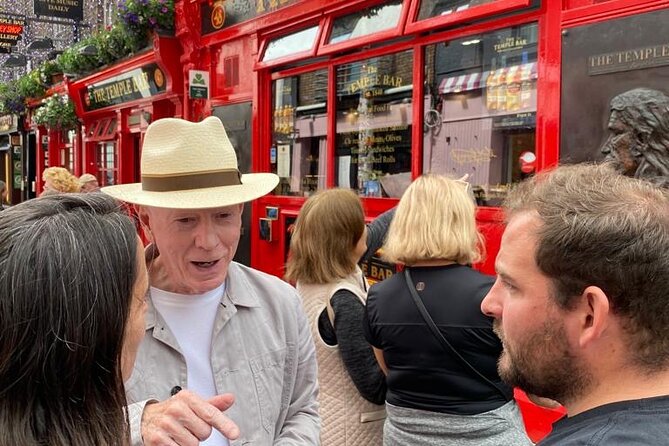
What I like most is the way Damian teaches through movement. You’re walking past the places while the story is fresh, so the names start sticking. Add music and quick skits, and you get a lively rhythm instead of a lecture.
The group limit matters too. With a maximum of 8 people, you’re less likely to be ignored, and it’s easier for the guide to notice who’s asking questions or who might need a slightly slower beat. That’s a big deal when you’re covering cobblestones for about two hours.
Starting at Chester Beatty Library in the Dubh Linn Garden
You begin behind Dublin Castle, in the area around the Chester Beatty Library and the Dubh Linn Garden. It’s a good opener because it sets you down near the city’s power center but in a quieter pocket than the main streets.
Damian’s focus here is Dublin’s origins—how the name Dublin is explained through the area’s early setting and what the beginnings looked like. Even if you’ve never heard the backstory before, the guide helps you build a simple timeline in your head: before the big eras, before the tourist maps.
This stop also acts like a warm-up. You’re only there about 10 minutes, so you won’t feel trapped in an outdoor preamble. And the tour lists free admission ticket for this segment, which keeps your day from turning into surprise costs.
Practical tip: this is a good moment to ask any broad questions you have. I’d use the first stop to clarify what era you should pay extra attention to later, because the rest of the walk keeps referencing these early roots.
Dublin Castle gardens: the city’s name and early terrain
Next you move into the gardens around Dublin Castle. You’ll hear the same theme—origins of the city name and what the beginnings looked like—now anchored to a place people recognize instantly.
The castle grounds are a smart choice for a walking tour stop. You get historic context without needing a full indoor visit. You can look around, orient yourself in relation to nearby landmarks, and start to understand why Dublin grew where it did.
One catch: outdoor garden time is still walking time. If weather turns, bring a layer you can tolerate for short bursts. The good news is that this is about 10 minutes, so you’re not stuck waiting out a storm for long.
If you like history that connects to real geography—where things sit and why—this is one of the stops that rewards attention.
Christ Church Cathedral and Handel’s Messiah premiere connection
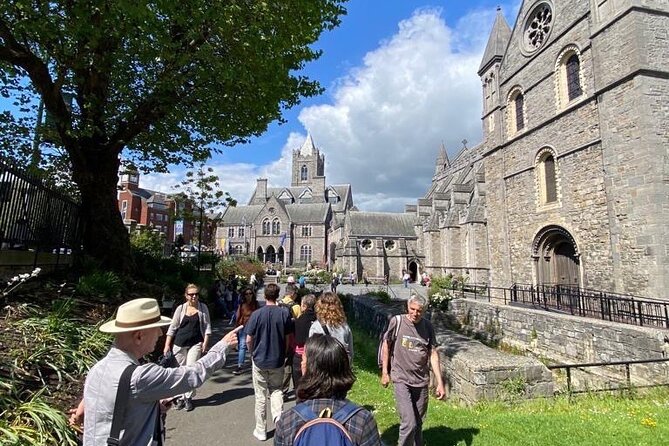
Then you pass by Christ Church Cathedral. This stop is short, about 10 minutes, but it points you toward a few Dublin storylines that keep showing up later.
You’ll learn about the Catholic Church in Ireland and get a specific cultural anchor: the venue where Handel’s Messiah was first performed. That’s the kind of detail that makes a cathedral feel more than just stone and signage.
Damian also ties in Dublin’s deeper timeline, including Viking invasions from the north and the lasting legacy. For me, this is where the tour starts to feel like a map of causes and effects, not just sightseeing.
The tour lists this as free admission for the experience. Even if you don’t go far inside (since this is a pass-and-learn segment), you still get enough context to understand why this area matters.

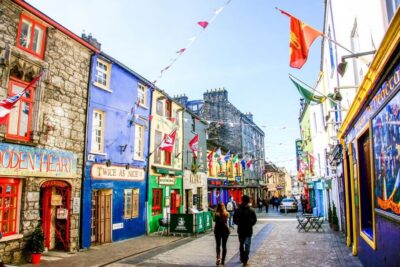



Temple Bar to Ha’penny Bridge: nightlife energy with city fundamentals
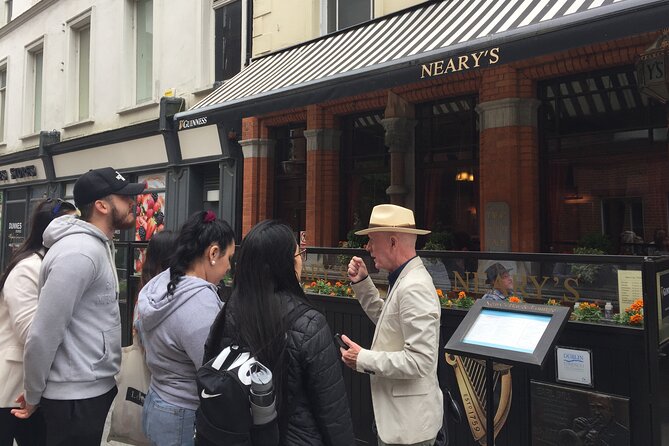
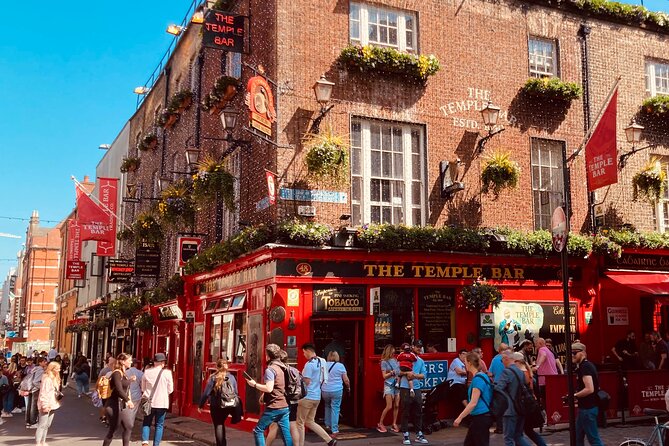
Temple Bar is the iconic stop where Dublin’s modern personality shows up fast. The tour doesn’t treat it like a photo-only zone. You’ll hear what the nightlife quarter is known for—live music, pints, and the social vibe that pulls people in.
The walk then crosses Ha’penny Bridge, and this is where the tour connects entertainment to infrastructure. You’ll learn about the foundations of the city and how trade and travel evolved around the center. In other words: the bridge isn’t just a cute crossing; it’s part of how Dublin worked.
This segment is listed at about 15 minutes. It’s long enough to get a feel for the area and still short enough to keep the tour from dragging. If you dislike crowds, Temple Bar is still Temple Bar, so I’d be mentally prepared for more people near the bridge and along main streets.
Practical shoe advice still applies here. You’re on cobblestones and close to the densest foot traffic, so stable footwear makes the experience more pleasant than you’d expect.
O’Connell Bridge, Daniel O’Connell, and the river Liffey stories

O’Connell Bridge is another quick hit, about 10 minutes, but it’s a strong story pivot. You’ll approach the epicenter of the 1916 Easter Rising rebellion and see the statue of Daniel O’Connell, the Irish parliamentarian.
Damian also brings the river Liffey into the mix. You’ll hear about the river’s history and the famous Liffey Swim. It’s not a full lecture; it’s the kind of detail that makes you notice the river later when you’re on your own.
This stop also helps you understand how Dublin’s identity sits right alongside its political moments. You’re not learning history in a vacuum. You’re seeing it mapped onto streets you can still walk today.
One practical consideration: bridges can mean wind. Dublin weather has opinions. Bring something light you can add or remove as you move from garden areas to open crossings.
Trinity College Dublin: a courtyard view and the Parliament House glimpse
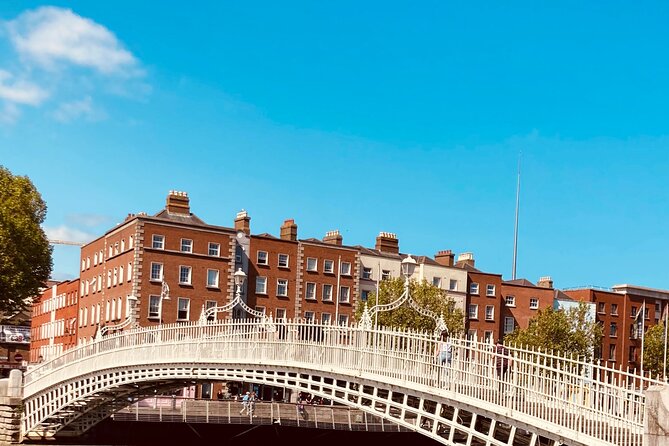
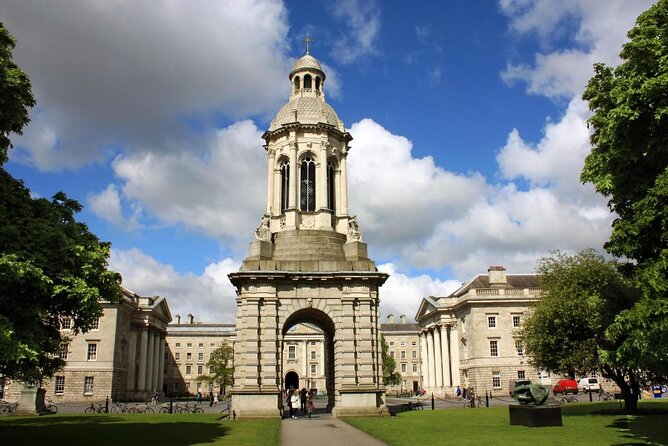
Trinity College Dublin is the classic “wow” moment on this route, and you only need a few minutes to feel why it’s famous. You’ll stop to view the university and learn about notable historical figures who studied there.
You can enter the courtyard for a short look and see original architecture up close. This works well for visitors who don’t want to plan a longer campus visit but still want a real sense of place.
Another bonus: the tour catches a view of Parliament House, sometimes called the House of Lords, along Dame Street. That gives you a sense of Dublin as an active political center, not just a museum city.
This portion is listed at about 10 minutes and is free for this experience. It’s ideal if you’re doing Dublin as a first stop on a longer trip and you still want time for cafés, museums, or self-guided wandering afterward.
St Anne’s Church and Bram Stoker’s wedding detail
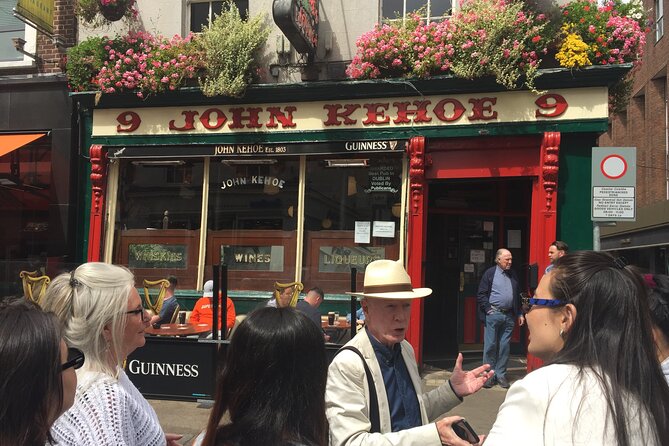
On Dawson Street, you stop outside Saint Anne’s Church. This is a quick 10-minute story stop, but it’s memorable for anyone who likes literature.
Damian shares the connection to Bram Stoker—his wedding here. That’s the kind of detail that makes the city feel personal, like Dublin wrote part of your reading list for you.
After the church stop, you move toward Bewley’s Café on bustling Grafton Street. This isn’t a long sit-down break on the tour itself, but the timing often lines up nicely with grabbing a snack or warm drink afterward, depending on your energy level.
If you’re traveling with teens or adults who like stories tied to real locations, this is one of the stops that usually lands well.
Leinster House and the Bram Stoker plus parliament connection
Leinster House is where the tour shifts from writers and bridges into government and power. You walk along Kildare Street, which includes the original home of Bram Stoker alongside the Irish houses of parliament.
Damian also connects Leinster House to the White House in Washington, DC, plus you’ll hear some history behind that relationship. Then you pass by the National Museum of Archaeology, giving you a sense of what else is nearby if you want to extend the day.
This segment is listed at about 10 minutes. It’s enough time to learn the key connections without turning into a longer “stand and read” moment.
If you like comparisons between how different countries shape their political identity, this is one of the best stops on the whole route.
St Stephen’s Green, Grafton Street, and the city’s layout
You finish with a look at St Stephen’s Green. This stop is about 15 minutes and it includes a mix of city textures: Grafton Street, Royal College of Surgeons, a passing glance of Georgian-era architecture, and the park itself.
The park piece matters. Dublin’s center can feel dense, so getting a bit of green space helps your brain reset while still keeping you in walking range of major sights.
Grafton Street is part shopping, part street life. You’ll notice how the city’s design channels people. And the Royal College of Surgeons adds another layer—another institution shaping Dublin, not just entertainment zones.
After so much history, this is a good place to absorb the city as a place you can live in, not only a place to visit.
Powerscourt Townhouse Centre: where the route ends
Your walk ends at Powerscourt Townhouse Centre on South William Street, between South William Street and Clarendon Street. This is a strong ending point because it’s central and easy to keep exploring from.
You’ll see an architectural highlight in the city center, plus boutique and upscale shops in the building. There’s also a café or restaurant scene in the atrium area, which makes this a practical finish if you want refreshments right after the tour.
This final stop is short, about 10 minutes. It’s less about teaching and more about giving you an anchor point for the rest of your day.
If you’re trying to plan your next steps, this finish helps. You’re not dropped in some remote edge. You’re close to other things worth doing.
Price and value: is $60.47 worth it for two hours?
$60.47 per person for about two hours is a fair deal in central Dublin, mainly because you’re getting a guided route through multiple top-tier landmarks without paying for paid admissions at each named stop (the experience lists ticket-free entries for the included sites).
The real value is the format. This is not “see ten things, leave quickly.” It’s ten stops that connect to the stories behind Dublin’s growth: origins of the city name, church and politics, cultural figures like Bram Stoker, and political events like the Easter Rising era.
You’re also paying for entertainment that actually supports learning. Music interludes and short skits make it easier to stay focused. And the small group size helps you feel like more than a set of headphones.
One last value angle: if you’re using this as your first-day orientation, it can save time later. Once you understand the city center’s logic, you’ll pick better neighborhoods for self-guided walking and avoid wasting hours backtracking.
Best for first-timers, families, and anyone who wants Dublin’s “why”
This tour fits best if you want:
- A fast way to get your bearings in central Dublin
- A guide who turns place names into stories you can recall
- A route that includes both famous landmarks and a few less obvious connections
- A moderate time commitment (about two hours), without feeling like you’re rushing a full-day program
It’s also a solid pick for families. One of the most useful things I’ve seen with this style of tour is that it can work even when schedules are tight, and the pace can be considerate. Damian has shown an ability to adapt to group needs, including accommodating people with physical concerns like hip problems.
If you hate walking for even a couple of hours or you want deep museum time inside big buildings, you might find this too short or too focused on viewpoints. This is about moving and understanding, not prolonged interior study.
Should you book Damian Dublin Tours?
Yes—if your goal is a smart first look at Dublin’s center with a guide who keeps you engaged through music and quick storytelling, this tour is a good bet. I’d especially recommend it if you want a route that connects Dublin Castle, Temple Bar, Christ Church, and Trinity in a way that makes later exploration easier.
Book early. With average booking around 66 days ahead, it’s clearly popular for a reason: it’s compact, fun, and efficient.
If you’re the type who learns best when the guide points out what to notice while you’re standing right there, you’ll likely come away with a clearer Dublin—and not just a bunch of photos.
FAQ
How long is the Small Group Dublin Walking Tour?
It runs for about 2 hours.
What does the tour cost?
The price is $60.47 per person.
How large is the group?
The tour has a maximum of 8 travelers.
Where is the meeting point?
Meet at Dublin Castle / Chester Beatty Library area, Castle St, Dublin 2, D02 AD92.
Where does the tour end?
The tour ends at Powerscourt Townhouse Centre, 59 William St S, Centre, Dublin 2, D02 HF95, between South William Street and Clarendon Street.
What language is the tour offered in?
The tour is offered in English.
Are there paid admissions at the stops?
The experience lists admission tickets as free for the stops included.
Do I get a mobile ticket?
Yes, you’ll receive a mobile ticket.
Are service animals allowed, and what’s the cancellation rule?
Service animals are allowed. Free cancellation is available up to 24 hours in advance for a full refund.
More Dublin Walking Tours





More Tours in Dublin





More Tour Reviews in Dublin



Fresh off the cobbles: the latest Dublin reviews
- Dublin Private Airport Transfer to Ireland
★ 4.5 · 3 reviews - Private Chauffeur Service From Dublin Airport to Killarney
★ 5.0 · 3 reviews - Ireland: 3-Day West Coast Explorer Tour
★ 5.0 · 3 reviews - From Dublin: 4-Day Southern and Western Coast Tour
★ 4.3 · 3 reviews - Dublin : Street Art Walking Tour
★ 5.0 · 3 reviews - Spring Tonic Foraging Tour
★ 5.0 · 3 reviews
Walking Tours, compared.
 ★ 5.0Dublin Highlights and Hidden Gems Guided Walking TourFrom $296,020 reviews
 ★ 4.9Highlights and Hidden Gems Walking TourFrom $272,140 reviews
 ★ 5.01916 Rebellion Walking TourFrom $271,605 reviews
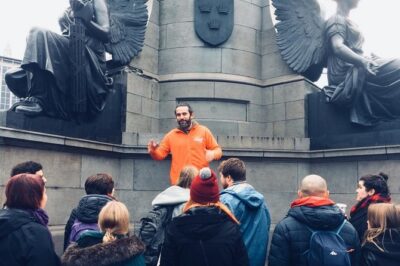 ★ 5.090 Minute Dublin Walking tour and Sightseeing tipsFrom $21916 reviews
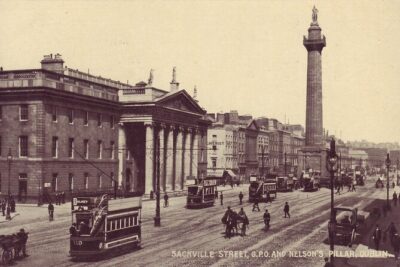 ★ 5.02-Hour Historical Walking Tour from DublinFrom $22875 reviews
 ★ 4.7Historical 2-Hour Guided Walking Tour of DublinFrom $22865 reviews
 ★ 5.0Dublin Traditional Irish 3 Course Meal Walking Tour with LocalFrom $107755 reviews
 ★ 4.9Mythology, Folklore and Legends Walking TourFrom $27703 reviews
Browse the lists this tour appears in