

Reviewed · WALKING TOURS
Vikings In Dublin (Walking Tour)
Vikings in Dublin is a smart way to connect street corners to Viking-era life. The tour links Dublin’s Norse roots to real landmarks, starting at Báite’s Viking Longboat and threading you through the city’s old center with a live guide who keeps the story clear and human. I especially like how the route mixes big-name sights with smaller, more story-driven stops so you don’t just look at buildings—you understand why they matter.
Two things make this tour feel worth your time: the guide’s nuanced take on Vikings (not just stock barbarian clichés) and the fast pace of a well-planned 1.5-hour walk that still leaves room for questions. One possible drawback to consider: the tour is in French, so if you’re not comfortable in French, you may miss some of the finer points—even if the visuals help.
In This Review
- Key points at a glance
- Kicking off at the Viking Longboat in Báite
- Christ Church Cathedral: more than a stop, a power statement
- Saint Audoen’s: where the city’s older lines still show
- Fishamble Street: imagining markets and daily movement
- Dublin Castle: seeing the long arc of Dublin’s power
- The secret stop and the final “hidden gem” moment
- Ending near Trinity College: a satisfying finish line
- How the guide keeps Viking history clear (in French)
- Price and value: is $45 a good deal for 1.5 hours?
- Who should book this walking tour
- Practical tips to get the most from the walk
- Should you book Vikings in Dublin?
- FAQ
- What’s the duration of the Vikings in Dublin walking tour?
- Where does the tour start?
- Where does the tour end?
- Is there a live guide?
- What language is the tour in?
- What key places do you visit?
- What’s included in the price?
- Is the tour wheelchair accessible?
Key points at a glance
- Start at the Viking longboat sculpture at Báite, a memorable way to kick off the story.
- Christ Church Cathedral gets Viking-era context, not just a generic visit.
- Saint Audoen’s and Fishamble Street help you picture everyday life in the older parts of Dublin.
- Dublin Castle is framed through the long arc of city power and change.
- One secret stop and one final surprise add extra flavor that you won’t get from a standard sightseeing list.
- French-only live guiding is ideal if you read the situation and follow along confidently.
More Dublin walks at an easy pace
- Dublin Highlights and Hidden Gems Guided Walking Tour★ 5.0 · 6,020 reviews
- Dublin: Highlights and Hidden Gems Walking Tour★ 4.9 · 2,140 reviews
- 1916 Rebellion Walking Tour★ 5.0 · 1,605 reviews
- 90 Minute Dublin Walking tour and Sightseeing tips★ 5.0 · 916 reviews
Kicking off at the Viking Longboat in Báite
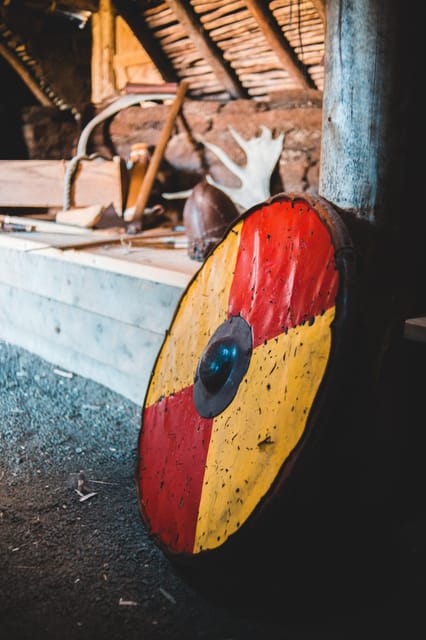
Your tour starts at the Viking Longboat (1988) sculpture by Betty Newman Maguire at Báite. It’s not just a photo op. It’s a handy “time switch.” You stand in one place and your guide frames what you’re about to see: Dublin as the Norse called it Dubh Linn, a city shaped by seafaring arrivals, trade, and settlement.
Why I like this opener: it gives you a reference point. When you later reach central landmarks, you’ll remember the longboat image and understand that these aren’t random stops. They’re part of a timeline the guide is walking you through.
Practical consideration: because it’s a walking tour and you’ll be on your feet for the full 1.5 hours, come with comfortable shoes. Also, check the starting time availability when you book, since departure times can vary.
Christ Church Cathedral: more than a stop, a power statement
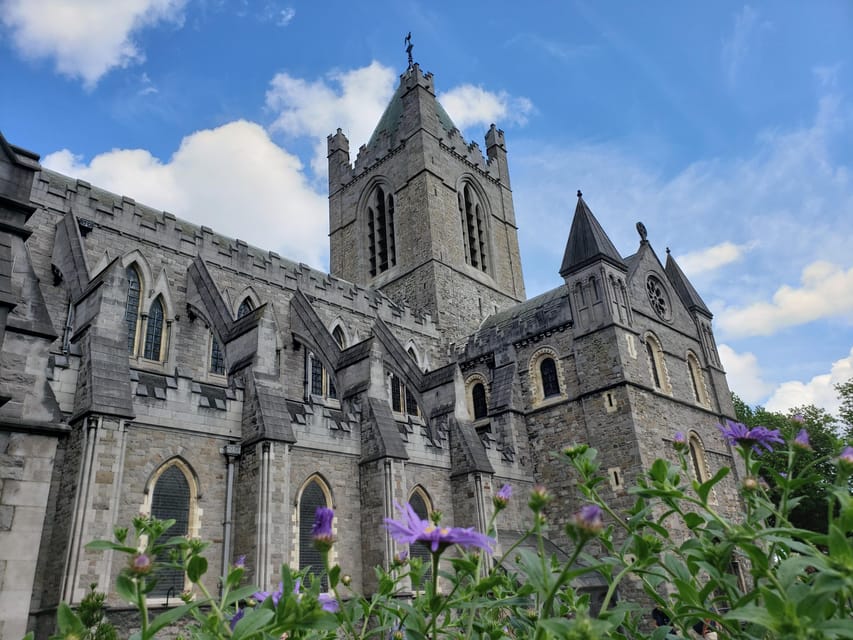
Next up is Christ Church Cathedral, Dublin with a guided visit. This is one of those places where the building itself does half the teaching. The guide’s job is to connect what you’re seeing to the city’s earlier transformation—how Dublin shifted from Viking influence into later medieval power structures.
What you’ll get here is context you can use. Instead of treating Vikings as a separate “chapter,” the tour helps you see how later Dublin grew on top of earlier patterns—routes, settlement pressure, and the importance of controlling the city.
Possible drawback: cathedral interiors and guided commentary can take a bit of standing and moving slowly. If you need frequent breaks, it helps to know your limits ahead of time. The good news is that the guide has shown the ability to adapt when someone has a minor health concern, so don’t be shy about speaking up early.
Saint Audoen’s: where the city’s older lines still show

Then you’ll head to Saint Audoen’s for another guided stop. This part of the walk matters because it shifts the focus from the headline monument to something more intimate: how Dublin’s fabric shows its age as you move street to street.
I like this stop because it helps you “read” the city. Viking Dublin wasn’t only about longships and battles—it was also about how people organized space, lived near activity, and built a city that future generations kept modifying. A place like Saint Audoen’s works well for that kind of explanation, because the guide can anchor ideas to a real, specific spot.
Practical note: the walk between stops can include uneven surfaces typical of older city centers. If you’re traveling with mobility constraints, the tour is listed as wheelchair accessible, but you should still plan for cobblestones and tight sidewalks. The best move is to keep an eye on how you’ll navigate curbs and turns.
Fishamble Street: imagining markets and daily movement
After Saint Audoen’s, you’ll visit Fishamble Street with guidance. This is where the tour leans into daily life. Fishamble Street is one of those central areas that feels like it has always been connected to movement—people passing through, commerce happening, and older Dublin carrying on.
The Viking angle here is less about Vikings holding court in a specific building and more about the rhythm of the city during and after Norse influence: docking, trading, and the kind of everyday interaction that turns a settlement into a growing urban center.
What you’ll likely enjoy: the way your guide uses stories to make the past feel practical. The best Viking tours don’t over-romanticize; they explain motivations. You’ll hear why sailors and traders mattered, and how the city’s position on the Liffey connected Dublin to the wider world.
Possible drawback: if you’re hoping for a purely “Vikings only” tour with no overlap into later medieval Dublin, this is not that. The value here is the timeline feel—how Viking-era influence blends into the city you’re standing in now.





Dublin Castle: seeing the long arc of Dublin’s power
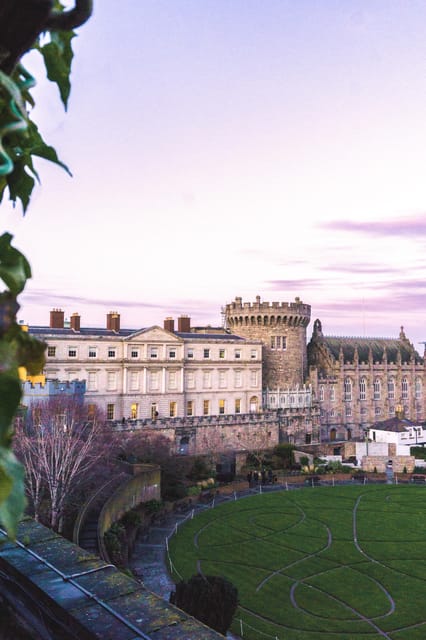
Next comes Dublin Castle with a guided tour. This is a great choice for a Viking-focused walking tour because it naturally expands the story. Vikings left marks, but they didn’t leave the world unchanged. Over time, Dublin’s power centers shifted, and the guide helps you understand what that means.
In practice, you’ll get a sense of why Dublin mattered strategically. Your guide can point out how the location and surrounding central area supported control of the city, trade routes, and political authority—ideas that are easier to grasp once you’ve already walked through the older landmarks.
One consideration: Dublin Castle and similar central sites can mean more crowds at certain times of day. Even if your tour keeps moving, expect the atmosphere to feel more public here than on the quieter street sections.
The secret stop and the final “hidden gem” moment
Between the major anchors, the tour includes a secret stop and later a hidden gem, both guided. We don’t get a named description for these stops, which is part of the point: the guide builds small surprises into the route and uses them to reinforce themes you’ve already heard.
This is where the experience often turns from standard sightseeing into something more memorable. Those “in-between” stops are usually where a guide can point out details you might otherwise miss—small clues in the street plan, the placement of key buildings, or how the city’s layout tells a story.
The best advice: don’t rush these moments. Give yourself the mental space to listen. If you like history that’s explained through specifics, you’ll probably enjoy the guide’s anecdotes and how he answers questions in a relevant way.
Ending near Trinity College: a satisfying finish line
You’ll finish at Trinity College. Ending here works well because it gives you an easy transition point for the rest of your day—coffee nearby, a chance to stretch your legs, and a recognizable landmark to help you orient yourself once the tour ends.
One important detail to check: the operator description includes an ending note that says the activity ends back at the meeting point, but the itinerary also lists Trinity College as the finish. That kind of mismatch is rare, but it can happen with different tour summaries. When you confirm, take a second to verify your exact end location so you’re not surprised.
How the guide keeps Viking history clear (in French)

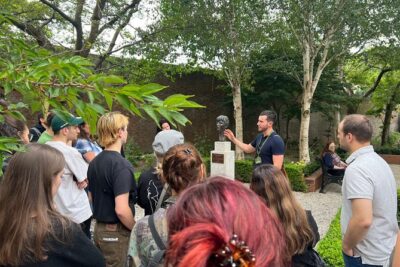
The tour is led by a live French guide, and the overall tone is guided, not lecture-only. From what’s been shared, the guide has a reputation for being a “goldmine” for anyone who wants Vikings in Dublin explained with clarity and nuance. Instead of treating Vikings as a single-note stereotype, he frames them as people with motivations—seafaring skill, settlement choices, and social customs.
That “nuance” matters because it changes how you see the city afterward. You stop thinking of Vikings as just helmets and raids and start thinking about why Dublin was attractive: its position, opportunities for trade and movement, and the real process of building a place you can call home.
Also, the guide seems comfortable with questions and adapts when someone needs minor adjustments. If you’re the type who asks follow-up questions, this tour is more likely to feel conversational than scripted.
Language consideration: if your French is basic, you may still enjoy the visuals and the landmark focus. But the best value comes if you can follow the guide’s explanation. If French isn’t your strength, you might prefer a tour offered in your language.
Price and value: is $45 a good deal for 1.5 hours?
At $45 per person for roughly 1.5 hours, the value is mostly about what you’re buying: guided interpretation of central Dublin through a specific theme.
You’re not just paying to walk past sights. You’re paying for someone to connect them—especially the way the tour links Norse influence to major medieval anchors like Christ Church Cathedral and the civic power symbolism around Dublin Castle. That connection is where the time turns into insight.
Here’s how to judge if it’s worth it for you:
- If you like guided context and you want Viking-era explanations tied to actual stops, $45 can be a solid spend.
- If you’re mainly after independent sightseeing and you already have strong knowledge of Viking Dublin, you might not feel the full value.
- If you’re traveling in a small group and you speak French well, you’ll likely get more out of the experience.
Bottom line: for a focused walk through Dublin’s old core with a strong interpretive guide, this price feels aligned with what you’re getting.
Who should book this walking tour
This tour is a good fit if you:
- want a Viking-themed route that still acknowledges how Dublin evolved after Norse influence
- enjoy walking city streets and learning how landmarks connect to broader stories
- like history that explains motivations and customs, not just dates
It’s also a reasonable option if you’re short on time. With a 1.5-hour duration, it can work as a “start here” history stop early in your day, or as a focused activity between heavier attractions.
Who might skip it:
- If French isn’t workable for you, you may lose too much of the explanation.
- If you need long seating breaks or step-free routes without any sidewalk friction, you should consider how wheelchair access is handled on the ground.
Practical tips to get the most from the walk
A few small choices can make the difference:
- Wear comfortable shoes. Dublin’s center includes rougher ground than you might expect.
- Bring a water bottle if it’s warm. Even short tours can add up.
- If you like asking questions, do it. The guide has a reputation for answering in a relevant way, and that’s often where the best “aha” moments happen.
- Save time after the tour to re-check what you heard while your memories are fresh—Trinity College is a convenient place to reset.
Should you book Vikings in Dublin?
I’d book it if you want a focused, guided Viking perspective that actually helps you interpret Dublin instead of just collecting photos. The biggest strength is the guide’s approach: clear, question-friendly, and more nuanced than the usual Vikings-in-a-box version.
I’d think twice only if French is a barrier for you or if you need very predictable, low-movement city infrastructure. If language and walking time are manageable, this is a smart way to see the city with new eyes.
FAQ
What’s the duration of the Vikings in Dublin walking tour?
It lasts about 1.5 hours.
Where does the tour start?
It starts at the Viking longboat sculpture at Báite: Viking Longboat (1988) by Betty Newman Maguire.
Where does the tour end?
The itinerary lists the finish at Trinity College. The activity description also notes it ends back at the meeting point, so it’s worth confirming the exact end location in your booking details.
Is there a live guide?
Yes. The tour includes a live guide.
What language is the tour in?
The tour language is French.
What key places do you visit?
You’ll see Christ Church Cathedral, Saint Audoen’s, Fishamble Street, Dublin Castle, and additional guided stops (including a secret stop and a final guided stop).
What’s included in the price?
The price includes a guided walking tour with information about Viking history, influences, and how people lived during this period.
Is the tour wheelchair accessible?
Yes, the activity is listed as wheelchair accessible.
More Dublin Walking Tours






More Tours in Dublin





More Tour Reviews in Dublin



Fresh off the cobbles: the latest Dublin reviews
- Dublin Private Airport Transfer to Ireland
★ 4.5 · 3 reviews - Private Chauffeur Service From Dublin Airport to Killarney
★ 5.0 · 3 reviews - Ireland: 3-Day West Coast Explorer Tour
★ 5.0 · 3 reviews - From Dublin: 4-Day Southern and Western Coast Tour
★ 4.3 · 3 reviews - Dublin : Street Art Walking Tour
★ 5.0 · 3 reviews - Spring Tonic Foraging Tour
★ 5.0 · 3 reviews
Walking Tours, compared.
 ★ 5.0Dublin Highlights and Hidden Gems Guided Walking TourFrom $296,020 reviews
 ★ 4.9Highlights and Hidden Gems Walking TourFrom $272,140 reviews
 ★ 5.01916 Rebellion Walking TourFrom $271,605 reviews
 ★ 5.090 Minute Dublin Walking tour and Sightseeing tipsFrom $21916 reviews
 ★ 5.02-Hour Historical Walking Tour from DublinFrom $22875 reviews
 ★ 4.7Historical 2-Hour Guided Walking Tour of DublinFrom $22865 reviews
 ★ 5.0Dublin Traditional Irish 3 Course Meal Walking Tour with LocalFrom $107755 reviews
 ★ 4.9Mythology, Folklore and Legends Walking TourFrom $27703 reviews
Browse the lists this tour appears in