
Reviewed · WALKING TOURS
The Dublin Private Walking Tour
Dublin gets a head start when you walk it with a guide. This private 3-hour tour strings together the city’s best-known landmarks and Irish pop-culture clues, so you come away with a real sense of where everything fits. You’ll also love how the route leans into stories you can feel, from the Claddagh ring tradition to the songs and faces behind the Wall of Fame.
What I like most is the pacing. You get a private guide who can slow down for questions and detours, like the way some guides have even pulled the group in for a quick swan moment at St Stephen’s Green. The second big plus is the practical side: you’ll get restaurant, pub, and shop ideas plus regular breaks if you need them, which makes the walk easier than doing it solo.
One possible drawback: this is a lot of central Dublin in a short time. Some stops are brief, mostly for orientation and photos, so if you want deep time in any one place, plan to return after the tour with a second visit.
In This Review
- Key highlights worth knowing
- A three-hour route that gets you oriented fast
- Temple Bar start: a smart kickoff point for Dublin days
- Claddagh Records and the Wall of Fame: music landmarks with real identity
- Temple Bar to Ha’penny Bridge: cobblestones and the Liffey’s story
- College Green and Trinity College: power, learning, and a quick campus stroll
- Molly Malone, Grafton Street, and St Stephen’s Green: folklore plus real city motion
- The Famine Memorial and Wolfe Tone: Dublin remembers as it moves
- Government buildings and Georgian architecture: the modern state in older streets
- Oscar Wilde in Merrion Square: a polished finish
- What you actually get from a private guide (beyond the stops)
- Value for $163.26 per person: when private walking pays off
- Best for first-time visitors and families with a flexible pace
- When to book and how to time it
- Should you book this Dublin Private Walking Tour?
- FAQ
- How long is the Dublin private walking tour?
- Is this tour private?
- Where does the tour start and end?
- What language is the tour offered in?
- Are there any admission fees at the stops?
- Does the tour include umbrellas or weather help?
- What kind of guide support do you get?
- What is the cancellation policy?
- Is the tour suitable for families and most travelers?
Key highlights worth knowing
- Private and flexible: it’s your group only, and the guide adjusts based on your interests.
- Music-first Dublin: Claddagh Records and the Wall of Fame tie landmarks to songs and famous Irish artists.
- Classic walking hits: Temple Bar cobblestones, Ha’penny Bridge, College Green, Trinity, Grafton Street.
- A quick campus and park mix: Trinity College stroll paired with St Stephen’s Green wildlife and pond-life.
- You’ll see both sides of Dublin’s story: the Famine Memorial sits alongside everyday city life.
- Merrion Square finish: end at the Oscar Wilde Monument area, in a fine Georgian pocket of town.
More Dublin walks at an easy pace
- Dublin Highlights and Hidden Gems Guided Walking Tour★ 5.0 · 6,020 reviews
- Dublin: Highlights and Hidden Gems Walking Tour★ 4.9 · 2,140 reviews
- 1916 Rebellion Walking Tour★ 5.0 · 1,605 reviews
- 90 Minute Dublin Walking tour and Sightseeing tips★ 5.0 · 916 reviews
A three-hour route that gets you oriented fast
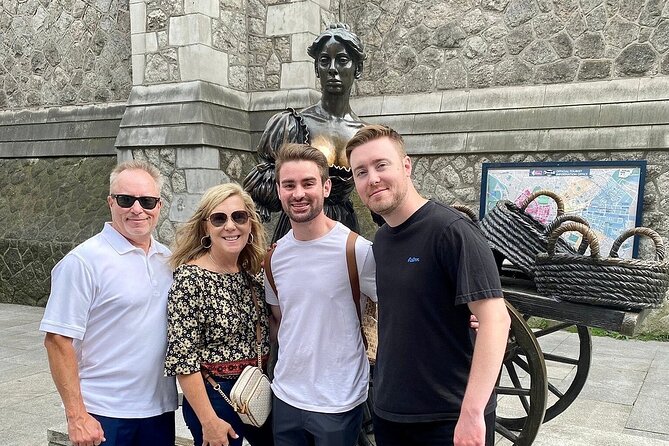
This is the kind of tour you book early in your trip. In about three hours, you get a usable map in your head: rivers, parliaments, major campuses, and the neighborhoods people actually talk about. It’s not a museum day. It’s a street-level orientation with enough context to help you understand what you’re seeing.
Because it’s private, you’re not stuck in a one-size-fits-all script. Guides named Pasquale, Conor, Sharon, and Seamus show up in many accounts, and the common thread is how they keep things friendly and well-paced, with room for your questions.
Temple Bar start: a smart kickoff point for Dublin days
You meet at Travelling Ireland Viaggiare in Irlanda on Cecilia St in Temple Bar. It’s a good starting area because it puts you right in the thick of Dublin’s old-tourist-meets-local vibe without needing tricky transport to begin.
From the first steps, the tour’s tone is set: Irish identity through music, folklore, and everyday streets. The Temple Bar neighborhood itself is treated like a living introduction, not a random stop for a photo.
Claddagh Records and the Wall of Fame: music landmarks with real identity
Stop one is Claddagh Records, a classic spot for music lovers. You’ll also hear the Ireland connection through the Claddagh ring tradition, the kind of symbol that shows how Irish crafts and stories travel through generations.
Then comes the Wall of Fame, which keeps the focus on Irish music history in a visual, easy-to-grasp way. You’ll see names tied to major voices like U2, Phil Lynott, Van Morrison, Sinead O’Connor, and The Cranberries. It’s a quick stop, but it gives you “who to listen for” context that helps later when you run into Irish music everywhere from pubs to street corners.
Temple Bar to Ha’penny Bridge: cobblestones and the Liffey’s story
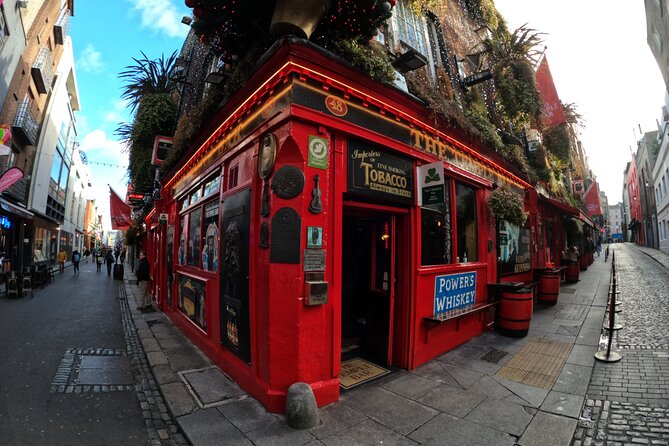
Next up is the Temple Bar Pub area, including background on the neighborhood and the pub’s history. The Temple Bar Pub is noted as being established in 1840, and the guide frames this as more than trivia. You start to see why this area became a magnet for visitors and how it fits into Dublin’s broader city life.
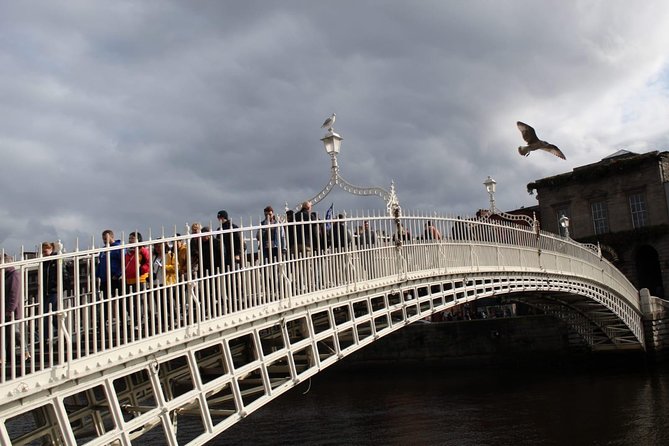
Then you walk toward Ha’penny Bridge, one of Dublin’s most recognizable crossings. The bridge connects neatly to the Liffey story, including how the river has shaped the city’s socioeconomic side. You’ll get landmark-level history in a way that makes it easier to connect what you’re looking at with what you’re hearing.
A handful more Dublin outings we would happily send a friend to




College Green and Trinity College: power, learning, and a quick campus stroll
College Green is where Dublin’s institutional identity shows up in layers. You’ll see the area around the former Bank of Ireland building, which until 1800 served as Ireland’s Parliament House. The guide also links College Green’s three-sided layout to what’s around it: Trinity College to the north and other 19th-century architecture along the edges.
Then comes Trinity College Dublin. You get a stroll inside the campus area to see how the oldest college in Ireland still functions as a living place, not a postcard. This stop works especially well if you like “big institutions” but don’t want a long, ticket-based plan. It’s an efficient way to understand why Trinity matters to Dublin.
Molly Malone, Grafton Street, and St Stephen’s Green: folklore plus real city motion
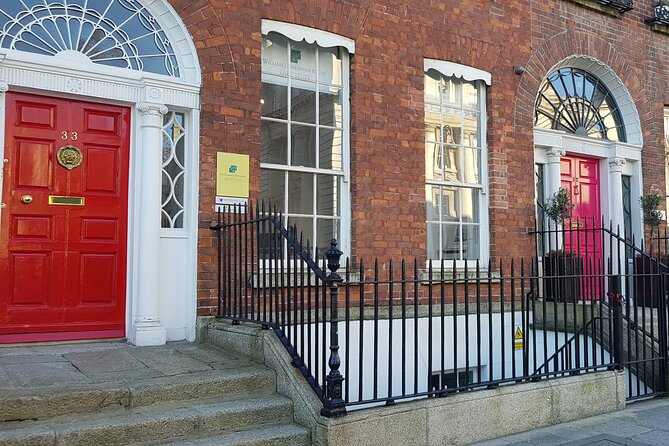
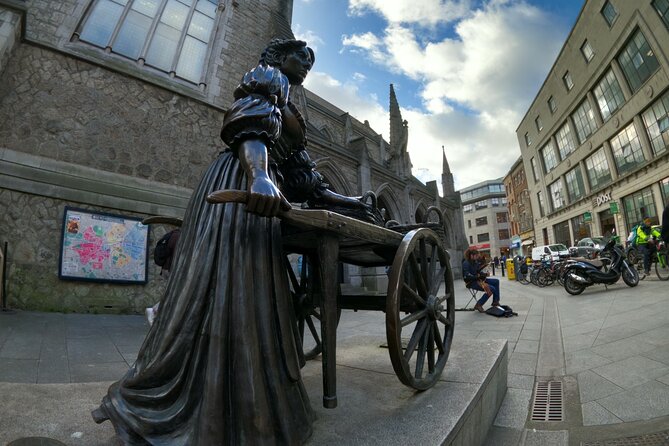
Molly Malone is next, tied to Dublin folklore and the famous Dubliners song. You’ll also hear about St Andrew’s church nearby, which helps keep the tale grounded in actual streets and buildings rather than just a myth.
After that, the tour shifts to Grafton Street, one of Europe’s busiest shopping streets. The guide points out the kind of landmarks you’ll notice even if you’re just walking past, like Brown Thomas for luxury shopping, but you’ll also learn about the street’s daily rhythm. Street performers, musicians, and poets show up regularly here, and the tour treats that as part of Dublin’s identity.
Then you walk into St Stephen’s Green, a central park where wildlife becomes part of the experience. The park is described as home to swans and ducks, and one review specifically mentions an unplanned swan stop that made the walk feel fun and alive. This is also a good moment to catch your breath, especially if the rest of the day involves more walking.
The Famine Memorial and Wolfe Tone: Dublin remembers as it moves
A major tonal shift comes at Edward Delaney’s Famine Memorial. The sculpture is meant to remember people who suffered and died during the Irish Great Famine, with thin, struggling figures representing hunger and hardship. This is not a long stop, but it lands. It makes the rest of the city feel heavier in a useful way, like you’re seeing the present with history attached.
Then you head to a Theobald Wolfe Tone statue, placed in front of the Shelbourne Hotel. Wolfe Tone is widely regarded as the father of Irish Republicanism. It’s another quick exterior stop, but it’s the kind of marker that helps you understand Dublin’s politics show up in public spaces, not just textbooks.
Government buildings and Georgian architecture: the modern state in older streets
The tour continues with the Department of the Taoiseach. The focus here is Georgian architecture and how the government presence sits within older streets and buildings. It’s an interesting contrast, because you’re not just seeing “politics,” you’re seeing the physical setting of how governance happens in the city.
After that comes Leinster House. You’ll hear how it began as the Duke of Leinster’s ducal residence and later became the parliament building for the Irish Free State in 1922. This is one of those stops where a short explanation makes a big difference. You’ll likely start noticing how many Dublin streets are built around institutions and power structures, even when you’re distracted by shop windows and café doors.
Oscar Wilde in Merrion Square: a polished finish
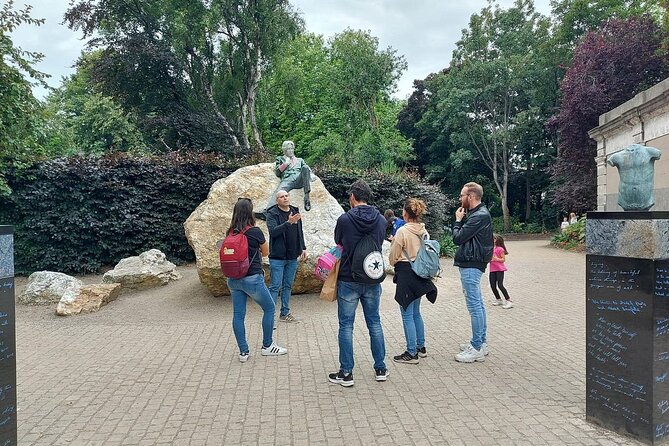
The walk ends at the Oscar Wilde Monument in Merrion Square North. This finishing point is a strong one because it lets you close the tour in a beautiful Georgian urban design pocket while still staying in “story Dublin” mode. You’ll learn about Oscar Wilde and the fact that the monument is tied to his 18th-century home connection.
It also works practically. Merrion Square sits in a location where you can keep exploring on foot or connect to transport without feeling like you’re locked into one neighborhood.
What you actually get from a private guide (beyond the stops)
The list of features is short, but the effect is big. You get an experienced, licensed guide and a private guided tour where it’s your group only. That matters because you can ask follow-up questions when something clicks, especially in places like government buildings or the Famine Memorial area where a quick explanation helps you read the space.
You also get practical support that reduces hassle. Umbrellas are provided, which is useful in Dublin when weather can shift fast. You’ll have restaurant, pub, and shop recommendations, plus rest or toilet breaks if needed. Photo opportunities are built into the tour rhythm, so you’re not stuck asking strangers to take your picture every time you want one.
Value for $163.26 per person: when private walking pays off
At $163.26 per person for about three hours, this isn’t a budget walk. The value comes from what private format buys you: time, flexibility, and someone who can turn scattered sights into a coherent story.
Here’s how it adds up in real terms:
- You’re not splitting time with strangers, which helps when your group wants to slow down.
- You’re getting both orientation and recommendations, which often saves time later when you’re choosing where to eat or what to see next.
- The tour hits major areas fast, including Temple Bar, Trinity College, parks, and memorials, so you’re less likely to waste your first day guessing.
If your travel style is “see the highlights and learn just enough to plan the next day,” this price can make sense. If you prefer self-guided wandering with no structured stops, you might not need private pricing.
Best for first-time visitors and families with a flexible pace
This tour fits best when you’re still building your Dublin base map. It’s family friendly and designed to cater to all age groups, but it’s still a walking plan with multiple short stops. If you’re traveling with younger kids, think in terms of attention span: you’ll get breaks when needed, yet the total time on foot is real.
Most travelers can participate, and service animals are allowed. You’re also near public transportation, which can help if you need to step out briefly and rejoin when possible.
When to book and how to time it
On average, it’s booked about 55 days in advance. That’s a hint: if your dates are fixed, don’t wait until the last week.
For best results, schedule it early. You’ll learn where everything is, then use that knowledge to plan your second visit to anything that caught your attention. Also, pick a departure time that matches your energy level, because the tour keeps moving through several districts in central Dublin.
Should you book this Dublin Private Walking Tour?
Book it if you want a clear first-day path through central Dublin with story, not just sightseeing. It’s especially worth it if you like Irish music culture, folklore like Molly Malone, and the way Dublin history shows up in memorials and government buildings.
Skip it or rethink it if you already know Dublin well and want long time inside specific attractions, since many stops are intentionally brief for a three-hour overview. Also, if your group wants deep immersion in one place, you’ll probably need a separate, longer visit after this.
FAQ
How long is the Dublin private walking tour?
It runs for about 3 hours.
Is this tour private?
Yes. It’s a private guided tour for your group only.
Where does the tour start and end?
It starts at Travelling Ireland Viaggiare in Irlanda, 8 Cecilia St, Temple Bar, Dublin. It ends at the Oscar Wilde Monument in Merrion Square N, Dublin.
What language is the tour offered in?
The tour is offered in English.
Are there any admission fees at the stops?
The listed stops are marked as admission ticket free.
Does the tour include umbrellas or weather help?
Umbrellas are provided.
What kind of guide support do you get?
You get an experienced, licensed guide plus restaurant, pub, and shop recommendations, local tips and tricks, and rest/toilet breaks if needed, along with photo opportunities.
What is the cancellation policy?
You can cancel for a full refund if you do so up to 24 hours before the experience starts.
Is the tour suitable for families and most travelers?
It’s family friendly and catered for all age groups, and most travelers can participate. Service animals are allowed.
More Dublin Walking Tours




More Tours in Dublin





More Tour Reviews in Dublin



Fresh off the cobbles: the latest Dublin reviews
- Dublin Private Airport Transfer to Ireland
★ 4.5 · 3 reviews - Private Chauffeur Service From Dublin Airport to Killarney
★ 5.0 · 3 reviews - Ireland: 3-Day West Coast Explorer Tour
★ 5.0 · 3 reviews - From Dublin: 4-Day Southern and Western Coast Tour
★ 4.3 · 3 reviews - Dublin : Street Art Walking Tour
★ 5.0 · 3 reviews - Spring Tonic Foraging Tour
★ 5.0 · 3 reviews
Walking Tours, compared.
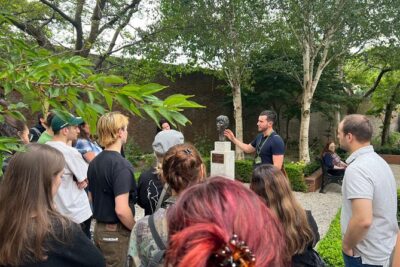 ★ 5.0Dublin Highlights and Hidden Gems Guided Walking TourFrom $296,020 reviews
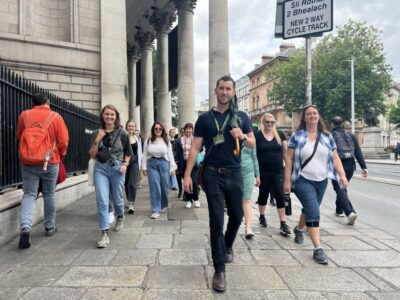 ★ 4.9Highlights and Hidden Gems Walking TourFrom $272,140 reviews
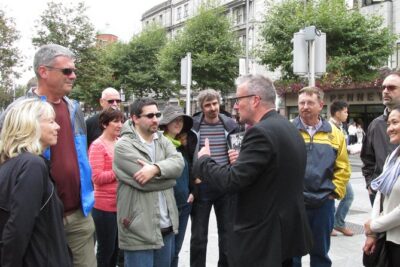 ★ 5.01916 Rebellion Walking TourFrom $271,605 reviews
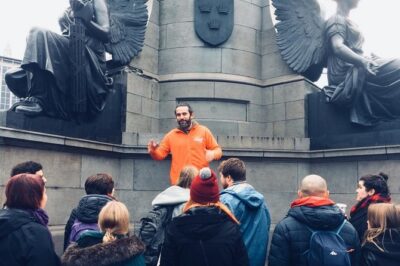 ★ 5.090 Minute Dublin Walking tour and Sightseeing tipsFrom $21916 reviews
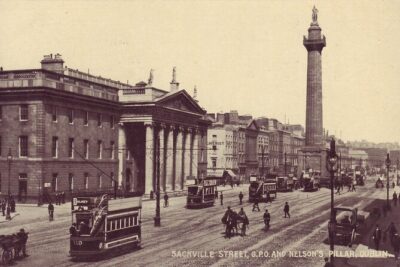 ★ 5.02-Hour Historical Walking Tour from DublinFrom $22875 reviews
 ★ 4.7Historical 2-Hour Guided Walking Tour of DublinFrom $22865 reviews
 ★ 5.0Dublin Traditional Irish 3 Course Meal Walking Tour with LocalFrom $107755 reviews
 ★ 4.9Mythology, Folklore and Legends Walking TourFrom $27703 reviews
Browse the lists this tour appears in